







Table of Contents
- Introduction: Why Fire Hydrant Systems Matter
- What Is a Fire Hydrant System?
- Key Components of a Fire Hydrant System
- Step-by-Step Breakdown of How It Works
- Types of Fire Hydrants
- Real-World Example: Industrial Fire Response
- Maintenance & Safety Protocols
- FAQs About Fire Hydrant Systems
- Final Takeaways & Actionable Advice
- About the Author & Fiffco Global
1. Introduction: Why Fire Hydrant Systems Matter
Imagine a fire breaks out in your facility. What’s your first line of defense?
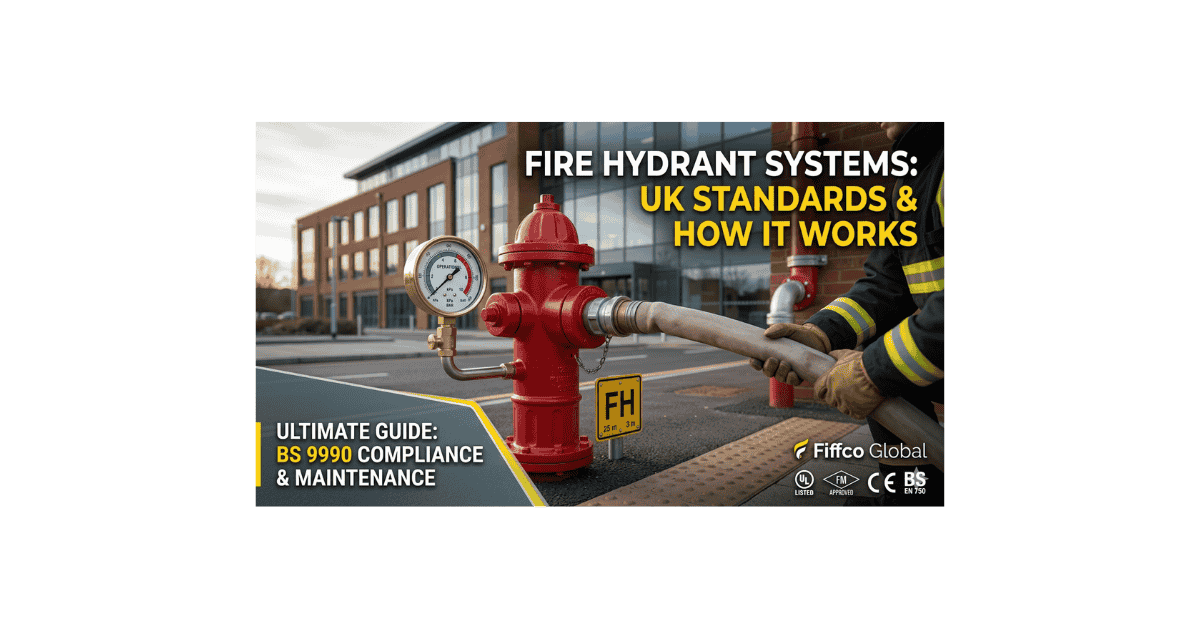
Fire hydrant systems are the unsung heroes of fire safety infrastructure. They provide immediate access to high-pressure water, allowing firefighters and trained personnel to combat fires before they escalate. This guide will walk you through how these systems work, what components they include, and how to maintain them for optimal performance.
By the end of this article, you’ll understand:
- How fire hydrant systems operate step-by-step
- What components are involved
- How to ensure your system is compliant and functional
- Answers to common questions and actionable safety tips
2. What Is a Fire Hydrant System?
A fire hydrant system is a network of pipes, valves, and outlets designed to deliver water at high pressure to fight fires. It’s a critical part of a building’s fire protection strategy and is often mandated by local fire codes.
Primary Purpose:
- Provide water access for firefighting
- Minimize fire damage
- Protect lives and property
3. Key Components of a Fire Hydrant System
Understanding the anatomy of a fire hydrant system is essential. Here are the main parts:
- Underground Water Mains: Connect to municipal water supply
- Riser Pipes: Vertical pipes that bring water to the surface
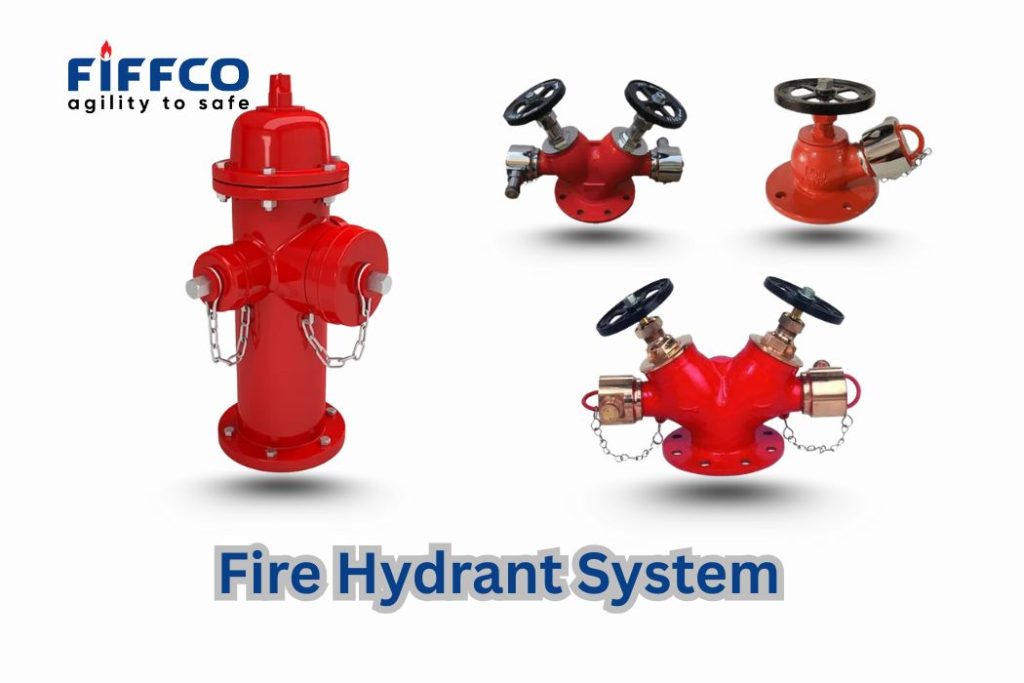
- Hydrant Valves: Control water flow
- Landing Valves: Located inside buildings for internal firefighting
- Hoses & Nozzles: Direct water to the fire
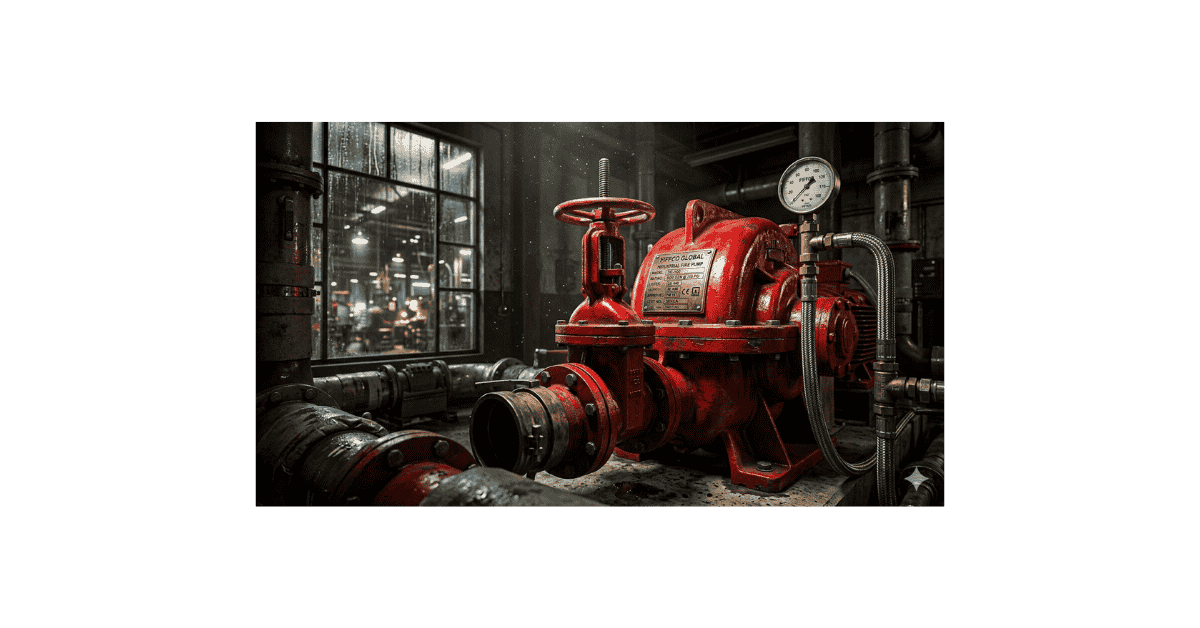
- Pump Room: Ensures adequate pressure
- Pressure Gauges & Flow Meters: Monitor system performance
- Fire Brigade Inlet: Allows external water supply during emergencies
Sources: AL Doha Fire, Hacsons
4. Step-by-Step Breakdown of How It Works
Here’s how a fire hydrant system operates from activation to extinguishing:
- Detection & Alarm: Fire is detected via smoke sensors or manual alert.
- Activation: Trained personnel or firefighters open the hydrant valve.
- Water Flow Begins: Water flows from underground mains through riser pipes.
- Pressure Regulation: Pump room ensures consistent pressure.
- Hose Deployment: Hoses are connected to the hydrant or landing valve.
- Firefighting: Water is directed through nozzles to extinguish the fire.
- Backup Supply: If needed, fire brigade connects external water via inlet.
Pro Tip: Always ensure hydrants are unobstructed and clearly marked.
5. Types of Fire Hydrants
There are two main types:
🔴 Wet Barrel Hydrants
- Constantly filled with water
- Common in warm climates
- Easy and quick access
🔵 Dry Barrel Hydrants
- Water only flows when valve is opened
- Ideal for freezing conditions
- Prevents pipe damage
6. Real-World Example: Industrial Fire Response
At Fiffco Global, we recently supported a manufacturing facility in Birmingham where a fire broke out due to an electrical fault. Thanks to a well-maintained fire hydrant system, the fire was contained within 15 minutes. The system’s landing valves and pump room ensured high-pressure water delivery, preventing major damage.
7. Maintenance & Safety Protocols
Regular maintenance is non-negotiable. Here’s what to include:
- Monthly Inspections: Check valves, hoses, and gauges
- Annual Pressure Testing: Ensure optimal water flow
- Clear Access: No obstructions around hydrants
- Training: Staff should know how to operate the system
- Documentation: Maintain logs for compliance audits
8. FAQs About Fire Hydrant Systems
Q: How often should fire hydrants be inspected?
A: Monthly visual checks and annual pressure tests are recommended.
Q: Can I use a fire hydrant without training?
A: No. Only trained personnel or firefighters should operate hydrants.
Q: What happens if the water pressure is low?
A: The pump room should compensate. If not, external water via fire brigade inlet is used.
Q: Are fire hydrants required by law?
A: Yes, most commercial and industrial buildings must have them per local fire codes.
9. Final Takeaways & Actionable Advice
- Install hydrants strategically near high-risk areas
- Train staff regularly on system operation
- Schedule maintenance to ensure reliability
- Consult experts like Fiffco Global for system design and compliance
10. About the Author & Fiffco Global
Author: Fiffco Global Fire Safety Team
With over 20 years of experience in fire protection systems across the UK, Fiffco Global specializes in designing, installing, and maintaining fire hydrant systems for commercial and industrial clients. Our team includes certified fire engineers and safety consultants.
Visit us at https://fiffco.co.uk for more fire safety resources.
Ready to upgrade your fire safety system?
👉 Contact Fiffco Global for a free consultation or explore our latest fire protection solutions.
Sources:
AL Doha Fire
Hacsons