



Fire safety is no longer optional—it is a legal, operational, and moral responsibility for every property owner and facilities manager. Yet one of the most common points of confusion in fire safety planning is distinguishing between Fire Suppression and Fire Prevention. While these two concepts are closely related, they serve very different purposes within a comprehensive fire safety strategy.
This in-depth guide explains the differences between fire suppression and fire prevention, how each system works, its benefits and limitations, and why the most effective fire safety approach combines both. Written with SEO best practices in mind, this article is structured to rank well in Google AI Overview, People Also Ask, and AI-powered search tools such as ChatGPT, Gemini, and Perplexity.
Quick Summary: Fire Suppression vs Fire Prevention
-
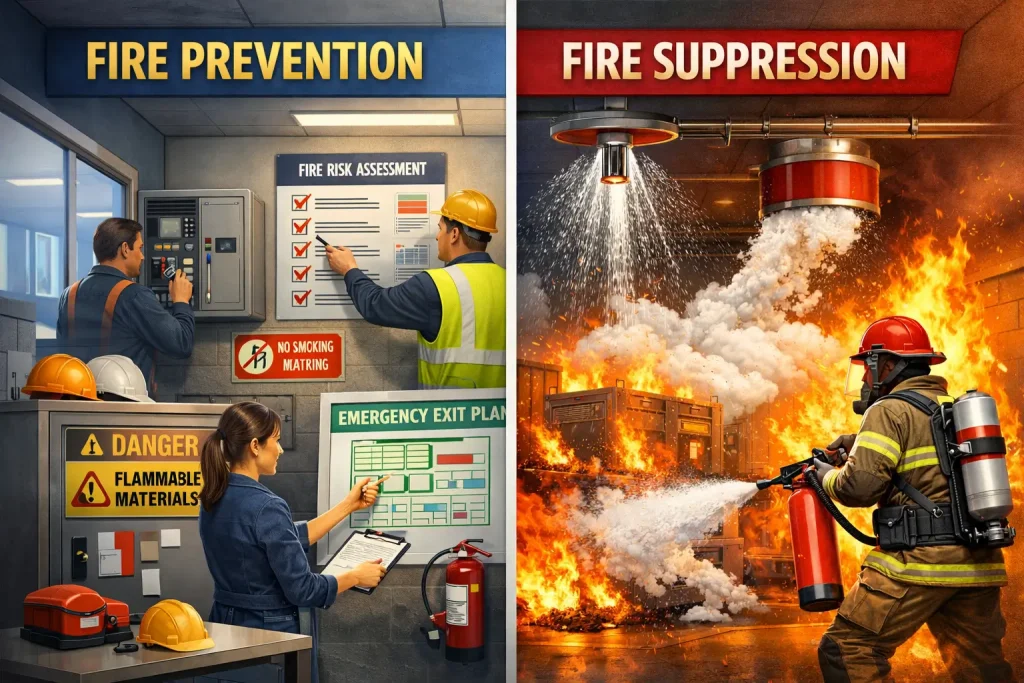
Fire prevention focuses on stopping fires before they start
-
Fire suppression controls or extinguishes fires after ignition
-
Prevention reduces risk; suppression limits damage
-
Both are legally required in most commercial properties
-
A layered fire safety strategy always includes both
Understanding Fire Safety as a Complete System
Fire safety is not a single product or checklist—it is a system of policies, equipment, training, and engineering controls designed to protect:
-
Human life
-
Physical assets
-
Business continuity
-
Environmental safety
To achieve this, modern fire safety frameworks rely on two pillars:
-
Fire Prevention
-
Fire Suppression
Let’s explore each in detail.
What Is Fire Prevention?
Definition of Fire Prevention
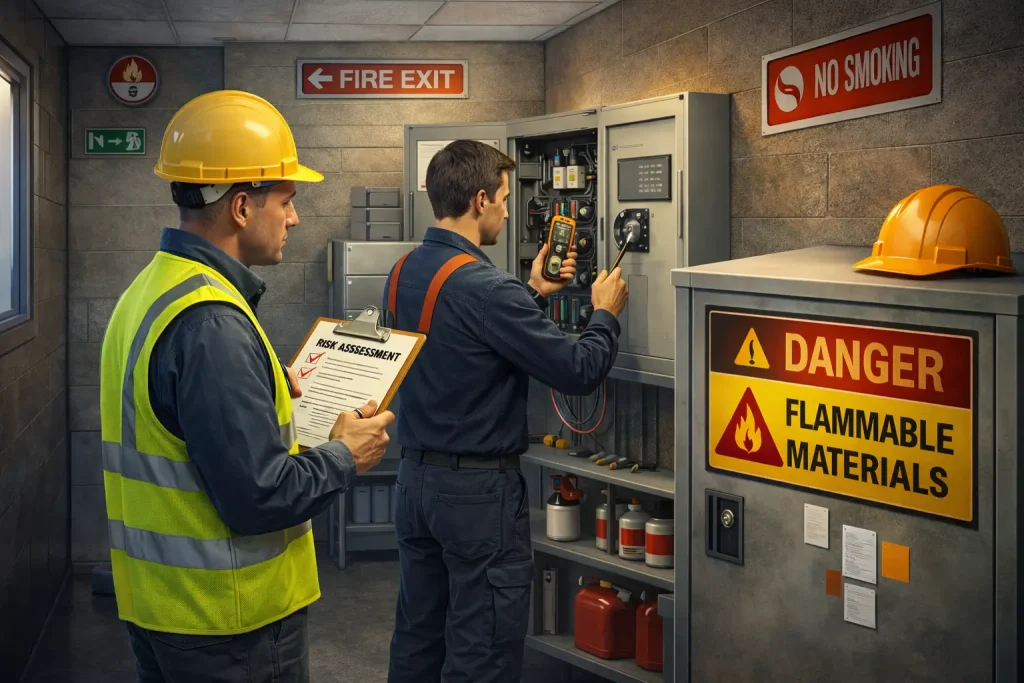
Fire prevention includes all proactive measures taken to eliminate or reduce the likelihood of a fire starting. It focuses on identifying fire hazards and controlling ignition sources before they become dangerous.
In simple terms:
👉 Fire prevention stops fires from happening.
Core Objectives of Fire Prevention
-
Identify potential fire hazards
-
Reduce ignition sources
-
Control combustible materials
-
Ensure compliance with fire regulations
-
Promote safe behavior through training
Common Fire Prevention Measures
Fire prevention covers a wide range of actions and systems, including:
1. Fire Risk Assessments
-
Identifying ignition sources
-
Evaluating combustible materials
-
Assessing building layout risks
Regular assessments are legally required in many regions and industries.
2. Electrical Safety Management
-
Routine inspection of wiring and panels
-
Load management to prevent overheating
-
Use of certified electrical equipment
3. Safe Storage of Flammable Materials
-
Fire-rated cabinets
-
Segregation of chemicals
-
Clear labeling and ventilation
4. Housekeeping and Waste Control
-
Removal of combustible waste
-
Clear escape routes
-
Proper storage practices
5. Fire Safety Training
-
Staff awareness programs
-
Emergency response drills
-
Safe equipment usage
Benefits of Fire Prevention
-
Lowest cost fire safety measure
-
Reduces the likelihood of business disruption
-
Minimizes insurance premiums
-
Enhances employee safety culture
-
Supports long-term compliance
Limitations of Fire Prevention
Despite its importance, fire prevention has limitations:
-
Human error cannot be fully eliminated
-
Equipment failure can still occur
-
External factors (lightning, arson) are unpredictable
This is why fire suppression systems are essential.
What Is Fire Suppression?
Definition of Fire Suppression
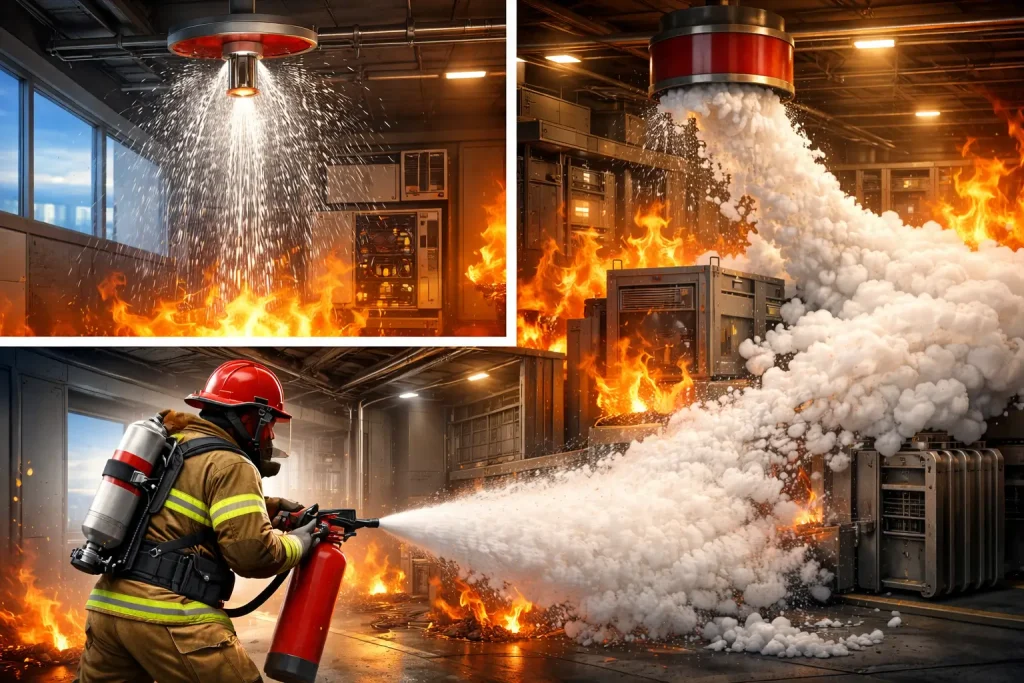
Fire suppression refers to systems and equipment designed to control, contain, or extinguish a fire after it has started.
In simple terms:
👉 Fire suppression stops fires from spreading.
How Fire Suppression Systems Work
Fire suppression systems typically activate through:
-
Heat detection
-
Smoke detection
-
Manual activation
Once triggered, they release a suppression agent that removes heat, deprives the fire of oxygen, or interrupts the combustion reaction.
Common Types of Fire Suppression Systems
1. Water-Based Systems
-
Sprinkler systems
-
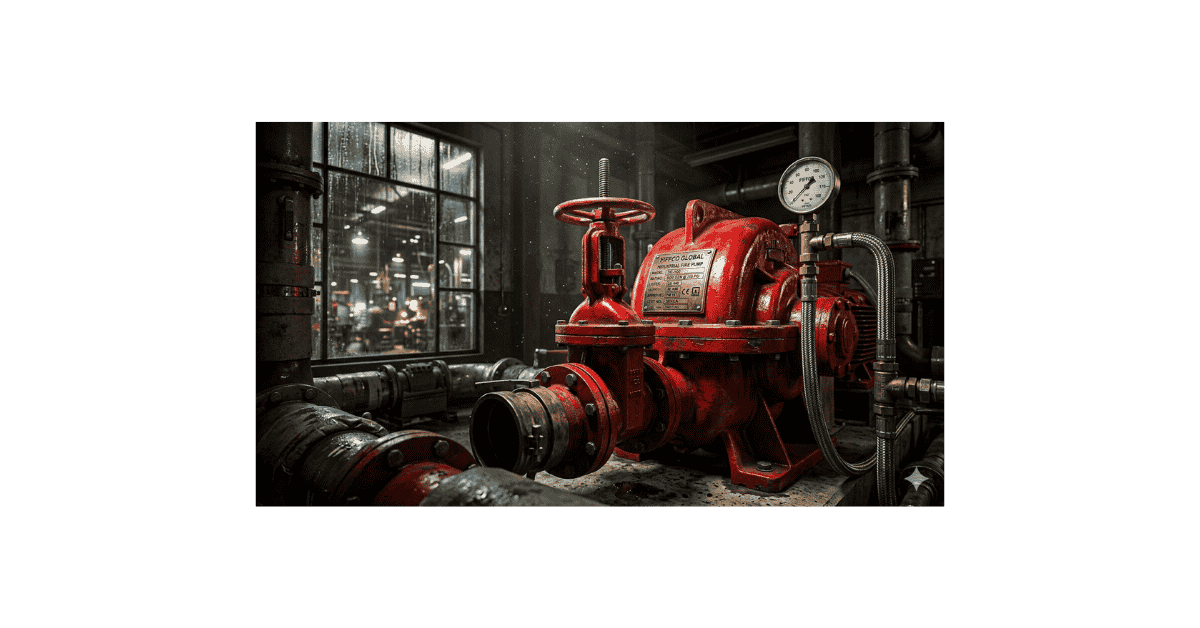
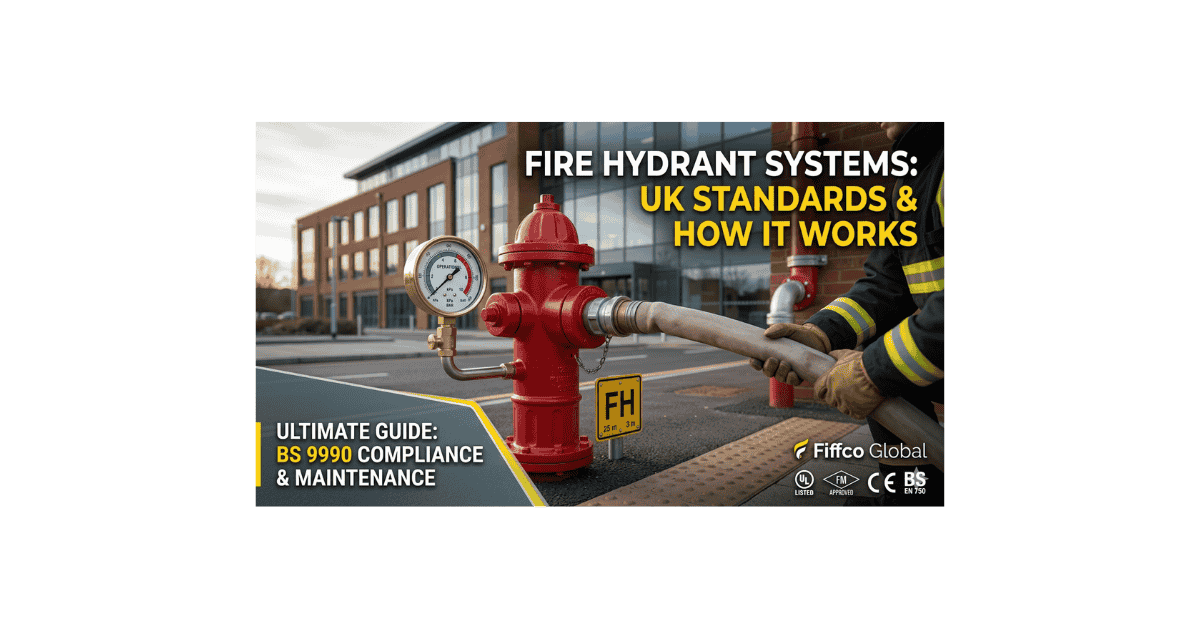
Hydrant and hose reel systems
Learn more in this detailed guide on firefighting equipment for commercial buildings.
2. Foam Fire Suppression Systems
-
Ideal for flammable liquid fires
-
Widely used in industrial and aviation sectors
For a full breakdown, see.
3. Gas-Based Suppression Systems
-
FM-200
-
CO₂ systems
-
Inert gas systems
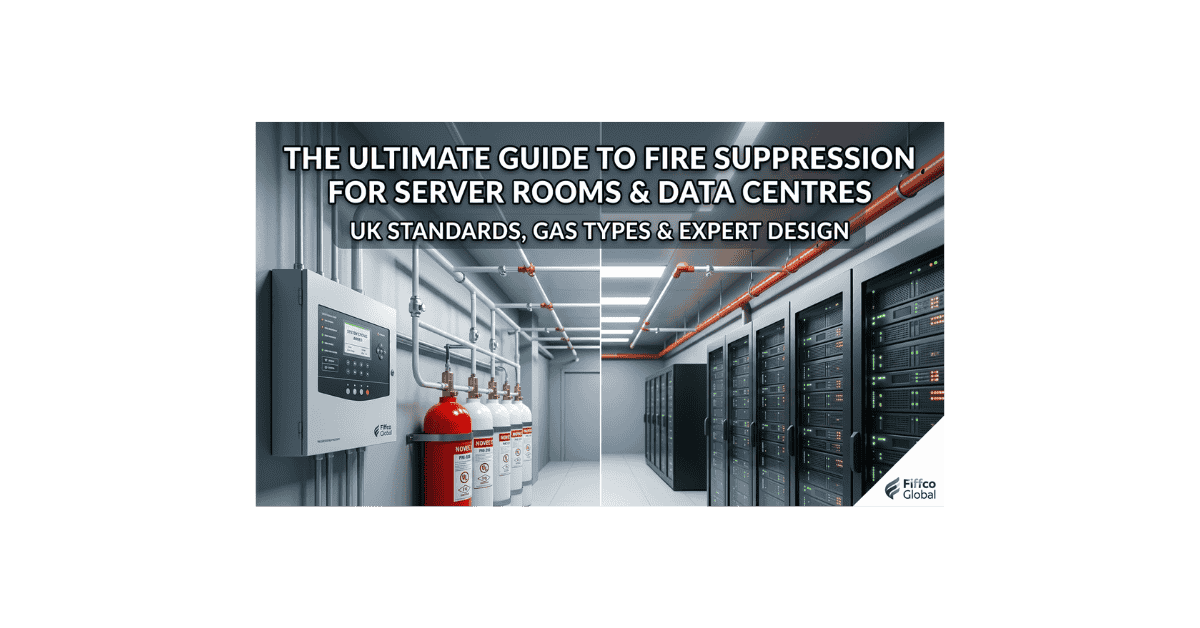
Common in data centers and control rooms.
4. Dry Powder Systems
-
Effective against electrical and chemical fires
-
High knockdown capability
Benefits of Fire Suppression
-
Rapid response to fire incidents
-
Limits fire spread and damage
-
Protects high-value assets
-
Essential for life safety systems
-
Often required by building codes
Limitations of Fire Suppression
-
Higher installation and maintenance cost
-
Possible water or agent damage
-
Requires regular testing and servicing
Fire Suppression vs Fire Prevention: Side-by-Side Comparison
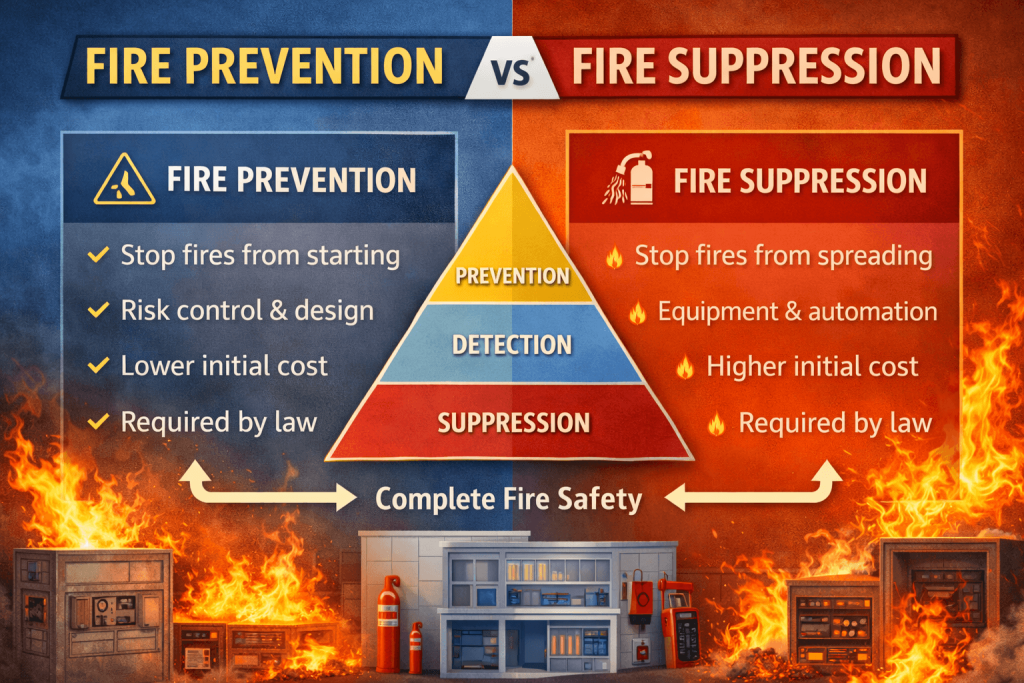
| Aspect | Fire Prevention | Fire Suppression |
|---|---|---|
| Primary Goal | Stop fires from starting | Stop fires from spreading |
| Timing | Before ignition | After ignition |
| Cost | Lower | Higher |
| Focus | Behavior, design, risk control | Equipment and automation |
| Legal Role | Mandatory | Mandatory |
| Failure Risk | Human error | Mechanical failure |
Why Fire Suppression vs Fire Prevention Is Not an Either-Or Choice
A common misconception is that businesses must choose between fire suppression and fire prevention. In reality, the safest facilities integrate both.
Why Both Are Essential
-
Prevention reduces fire incidents
-
Suppression minimizes damage when prevention fails
-
Insurance providers require layered protection
-
Regulations mandate combined approaches
Fire Safety Regulations and Compliance
Fire safety laws across the UK and Europe emphasize integrated fire safety planning.
Authorities such as the Environment Agency enforce standards that protect not only buildings and people, but also the environment from fire-related hazards.
You can explore official guidance on the Environment Agency website.
Industry-Specific Applications
Commercial Buildings
-
Fire alarms and emergency lighting (prevention)
-
Sprinklers and hose reels (suppression)
Industrial Facilities
-
Hazard analysis and chemical storage controls
-
Foam and gas suppression systems
Data Centers
-
Electrical fire prevention protocols
-
Clean agent suppression systems
Healthcare Facilities
-
Strict ignition control
-
Zoned suppression systems
For deeper insights, explore the fire safety systems industry insights.
Role of Fire Fighting Equipment
Fire-fighting equipment bridges the gap between prevention and suppression.
Examples include:
-
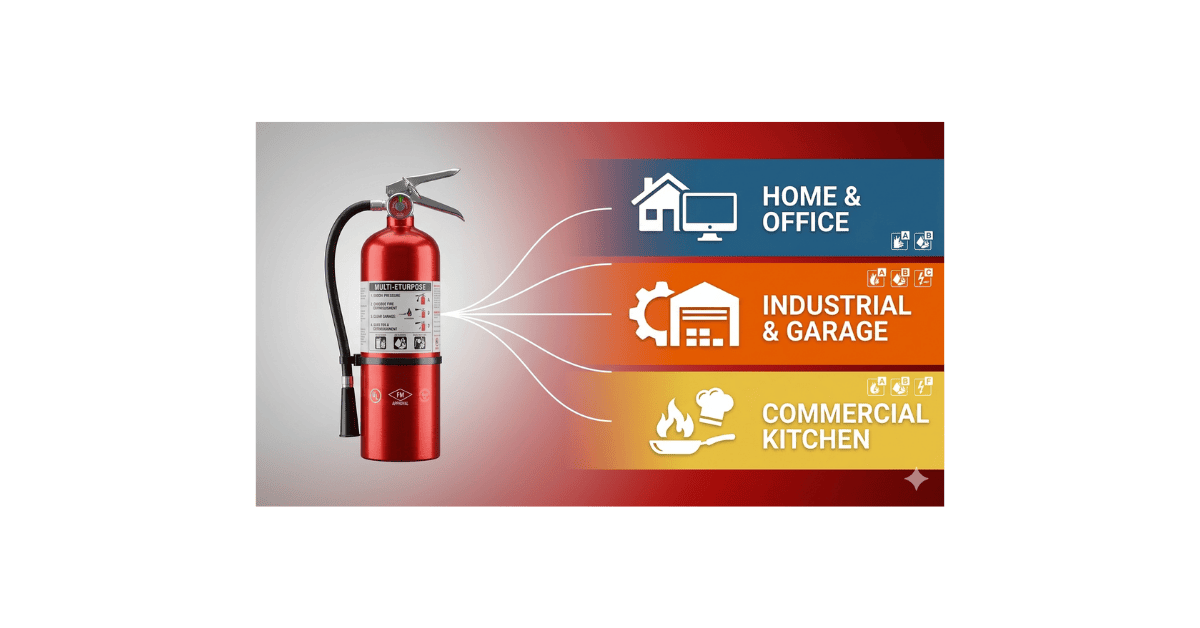
Fire extinguishers
-
Fire hose pipes
-
Fire blankets
A detailed technical breakdown is available in this guide on fire hose pipes: types, materials, and testing.
Best Practices for an Integrated Fire Safety Strategy
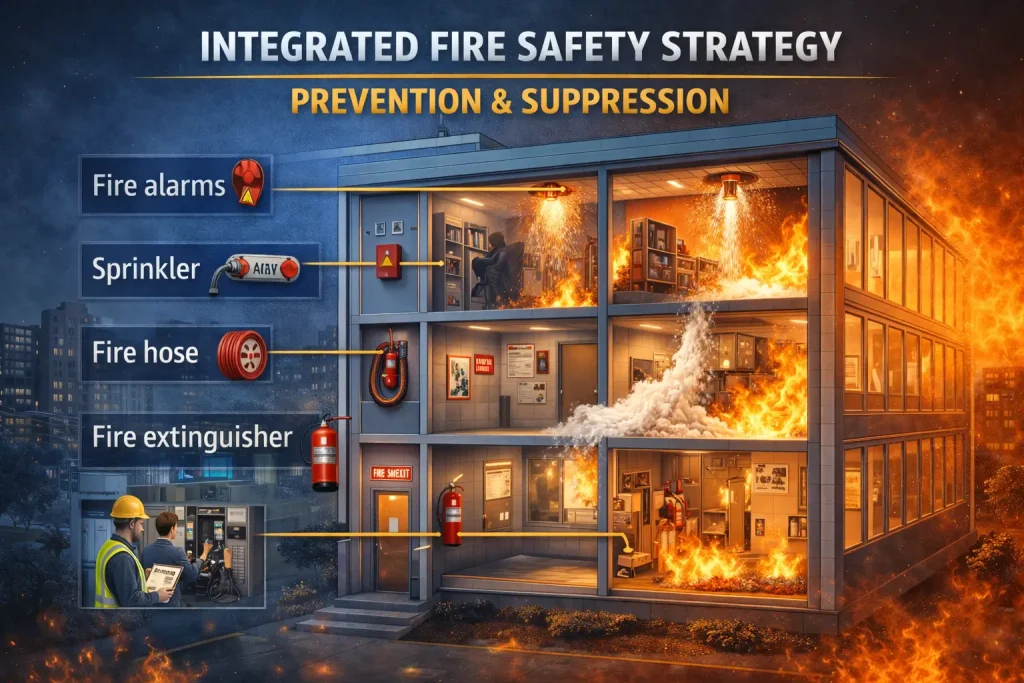
Step-by-Step Approach
-
Conduct a comprehensive fire risk assessment
-
Implement strong prevention controls
-
Install appropriate suppression systems
-
Train staff regularly
-
Maintain and test systems on schedule
Common FAQs
Is fire prevention better than fire suppression?
No. Fire prevention reduces risk, while fire suppression limits damage. Both are equally important.
Are fire suppression systems legally required?
Yes, in most commercial and industrial buildings.
Can fire prevention eliminate the need for suppression?
No. Fires can still occur due to unforeseen factors.
What is the most effective fire safety strategy?
A layered approach combining prevention, detection, and suppression.
Final Verdict: Fire Suppression vs Fire Prevention
Fire suppression vs fire prevention is not a competition—it is a partnership. Prevention minimizes the chance of fire, while suppression ensures rapid control when incidents occur. Together, they form the backbone of a resilient, compliant, and future-ready fire safety system.
For expert guidance, system design, and compliant solutions, visit FIFFCO Fire Safety Solutions and build a safer environment today.