


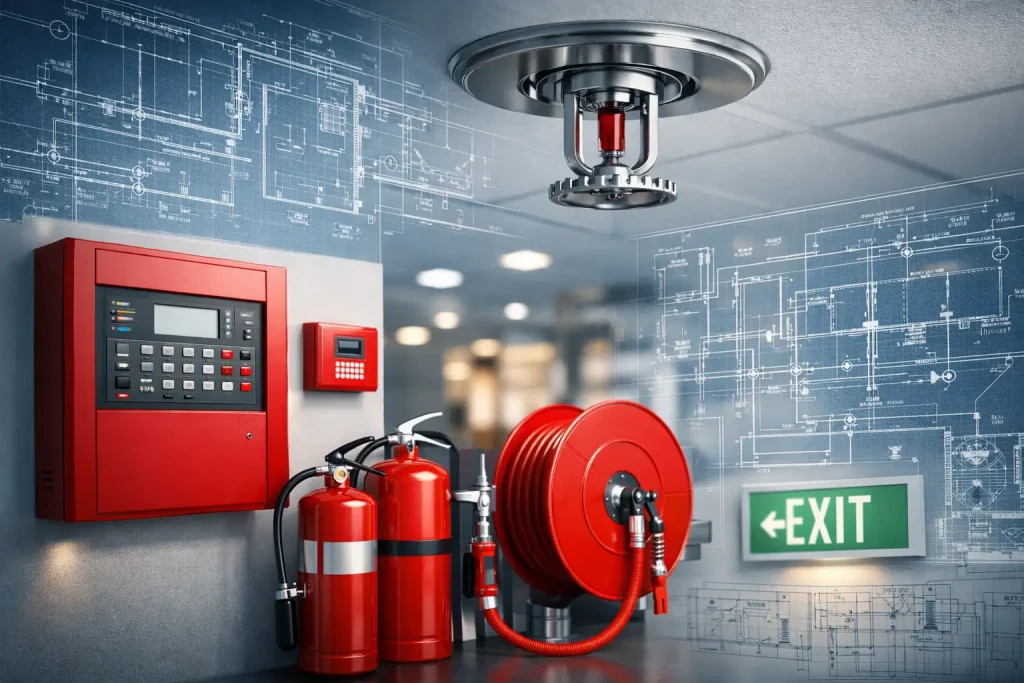
Designing an efficient fire protection system is one of the most critical responsibilities for any property owner, facility manager, or developer. Fires not only cause catastrophic property damage but also threaten lives, business continuity, and legal compliance.
In this comprehensive guide, you will learn how to design an efficient fire protection system for your property, step by step—from risk assessment and system selection to compliance, installation, and long-term maintenance. Whether you manage a commercial building, industrial facility, or residential complex, this guide will help you make informed, compliant, and cost-effective decisions.
Why Fire Protection System Design Matters
An efficient fire protection system does far more than extinguish fires. It:
-
Protects human life
-
Minimizes property and asset damage
-
Ensures business continuity
-
Reduces insurance premiums
-
Helps meet legal and regulatory requirements
A poorly designed system, on the other hand, can fail during emergencies, expose occupants to danger, and lead to costly penalties.
That’s why professional system design is not optional—it’s essential.
What Is a Fire Protection System?
A fire protection system is a coordinated set of equipment, technologies, and procedures designed to:
-
Detect fire early
-
Alert occupants
-
Control or suppress the spread of fire
-
Support safe evacuation
-
Assist firefighting operations
Core Components of a Fire Protection System
An efficient system typically includes:
-
Fire detection and alarm systems
-
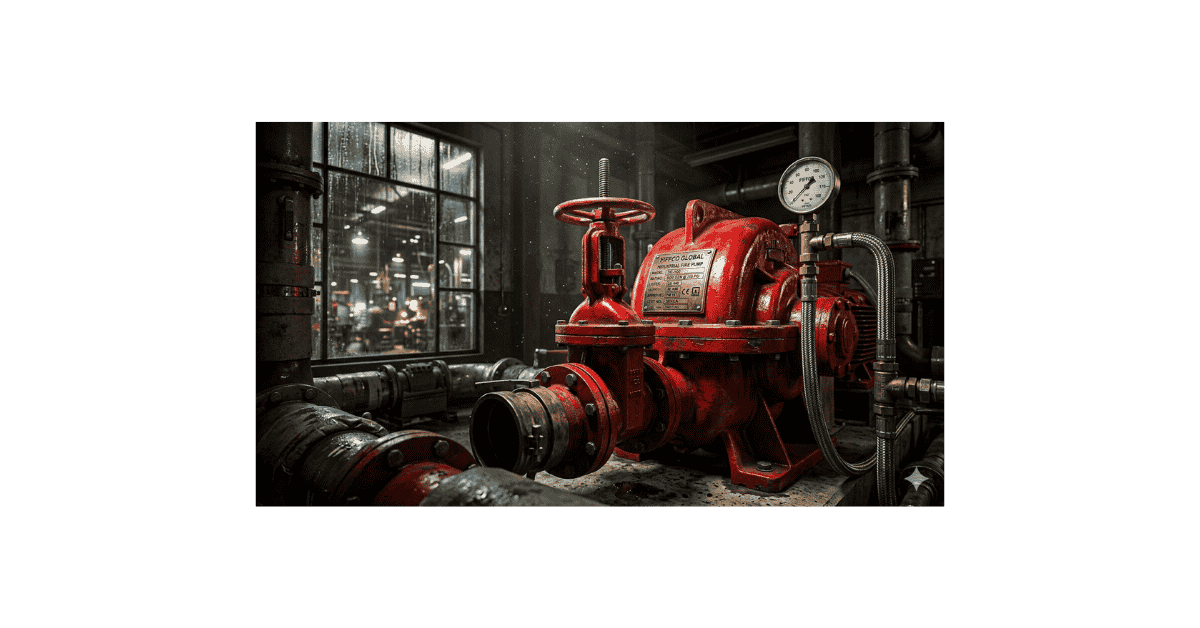
Fire suppression systems (sprinklers, foam, gas, water mist)
-
Firefighting equipment (hoses, extinguishers, hydrants)
-
Passive fire protection (fire doors, walls, compartmentation)
-
Emergency lighting and exit signage
You can explore a complete range of firefighting equipment for commercial buildings through FIFFCO’s dedicated solutions.
Step 1: Conduct a Fire Risk Assessment
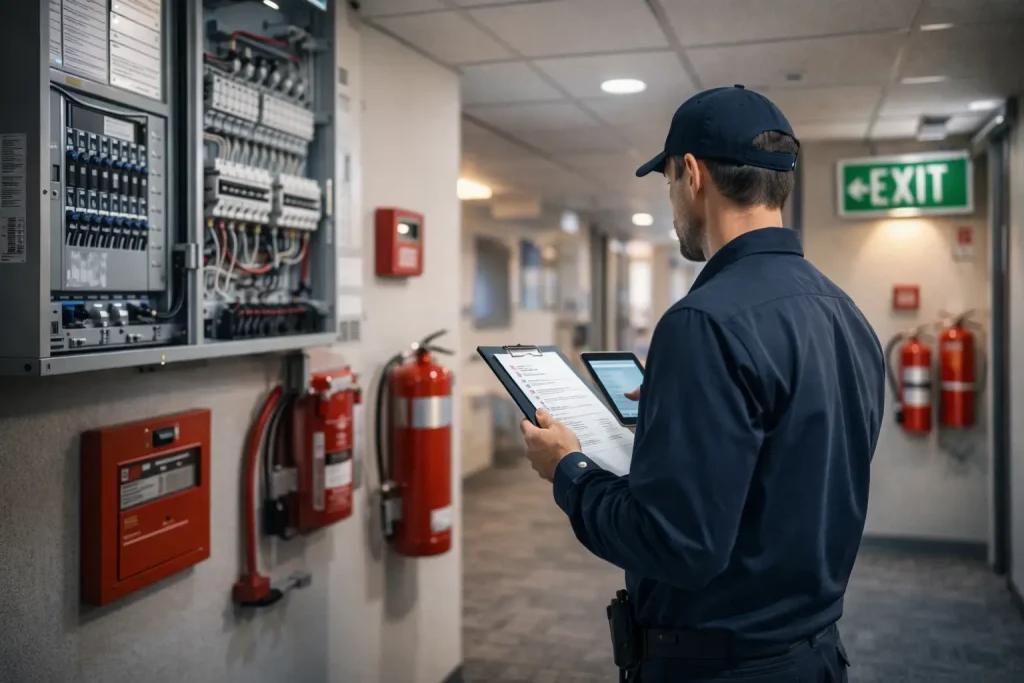
Every efficient fire protection system starts with a detailed fire risk assessment.
What a Fire Risk Assessment Covers
-
Building type and occupancy
-
Fire load (combustible materials)
-
Ignition sources
-
Occupant vulnerability
-
Escape routes and evacuation time
-
Environmental impact considerations
Why Risk Assessment Is Non-Negotiable
Without understanding the risks, system design becomes guesswork. A proper assessment ensures the system matches the actual hazards of your property—not assumptions.
Step 2: Understand Your Property Type and Fire Risks
Different properties demand different fire protection strategies.
Commercial Buildings
-
Offices
-
Shopping malls
-
Hotels
-
Hospitals
Primary risks: Electrical faults, high occupancy, equipment overheating
Industrial Facilities
-
Factories
-
Warehouses
-
Refineries
-
Power plants
Primary risks: Flammable liquids, machinery, chemicals, high heat processes
Residential Buildings
-
Apartments
-
High-rise towers
-
Housing complexes
Primary risks: Cooking fires, electrical issues, human behavior
Design must be tailored—not standardized.
Step 3: Choose the Right Fire Detection & Alarm System
Fire detection is your first line of defense.
Types of Fire Detection Systems
-
Smoke detectors – Ideal for offices and residential areas
-
Heat detectors – Suitable for kitchens and industrial spaces
-
Flame detectors – Used in high-risk industrial zones
-
Gas detectors – Essential where flammable gases are present
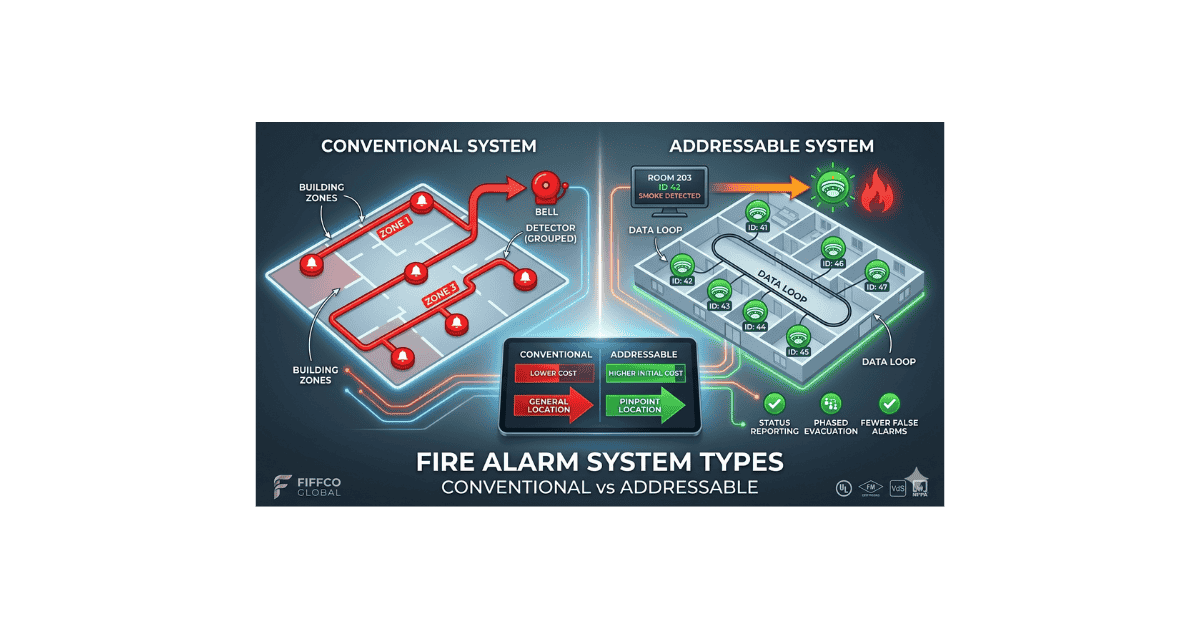
Addressable vs Conventional Systems
-
Addressable systems pinpoint exact fire locations
-
Conventional systems indicate general fire zones
For large or complex buildings, addressable systems offer superior response speed and accuracy.
Step 4: Select an Appropriate Fire Suppression System
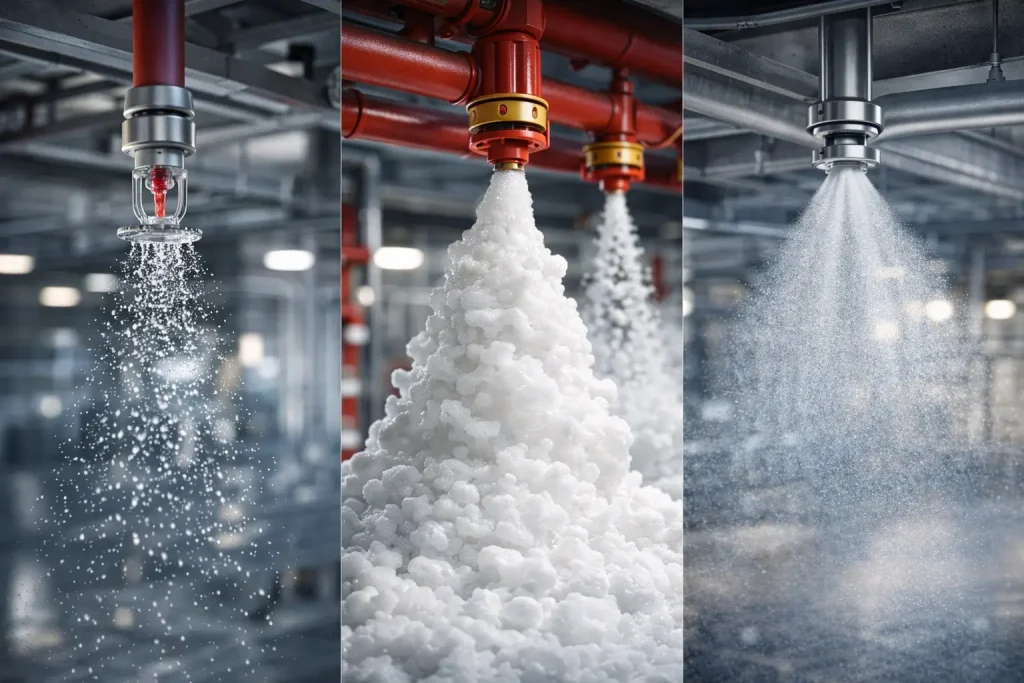
Common Fire Suppression Options
Water-Based Systems
-
Wet pipe sprinklers
-
Dry pipe sprinklers
-
Deluge systems
Foam Fire Suppression
Ideal for:
-
Fuel storage
-
Chemical plants
-
Aircraft hangars
Compare systems in detail with this comprehensive guide to water vs. foam fire systems.
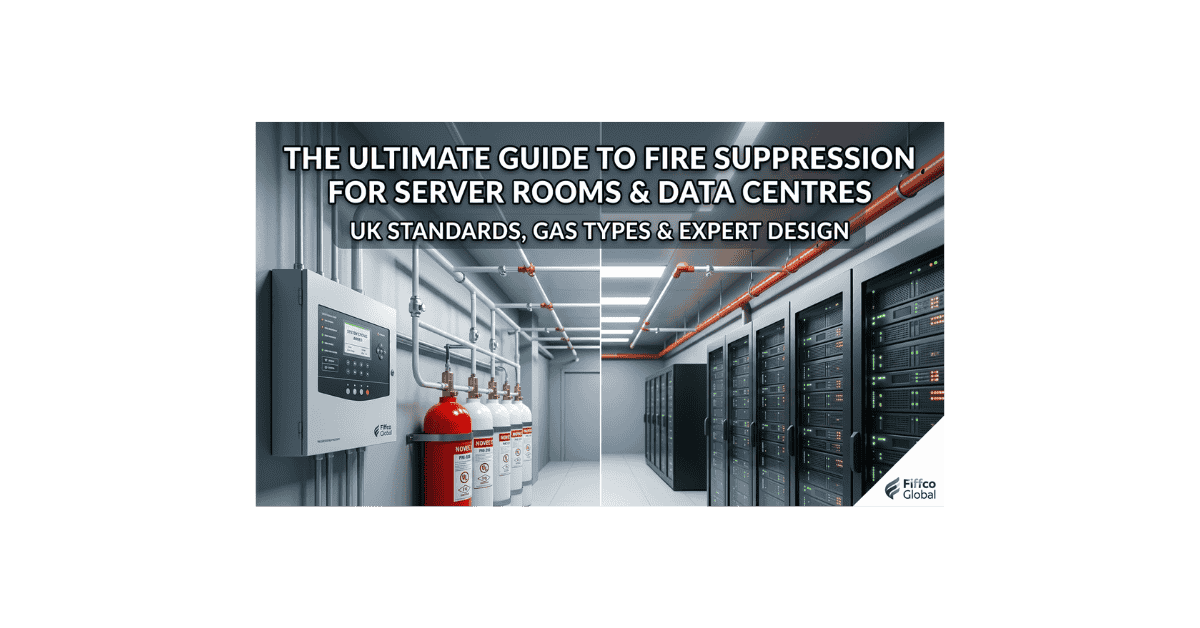
Clean Agent Systems
-
FM-200
-
Novec 1230
-
CO₂ systems
Best for data centers, server rooms, and control panels.
Step 5: Integrate Firefighting Equipment Strategically
Even automated systems need manual firefighting support.
Essential Firefighting Equipment
-
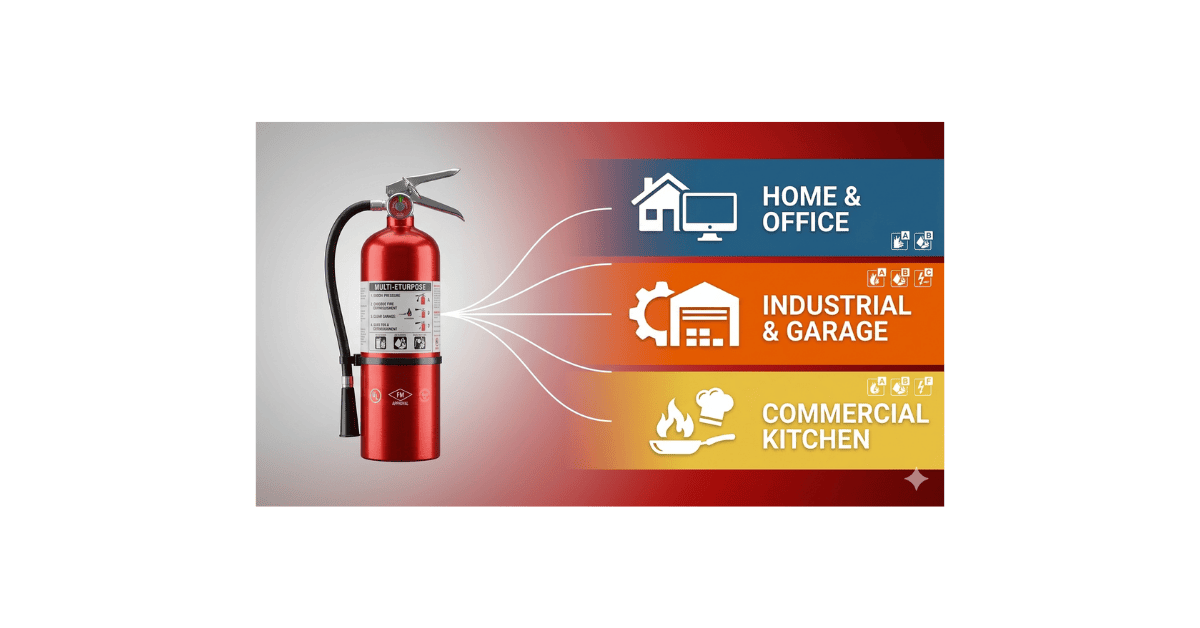
Fire extinguishers (correct class selection)
-
Fire hose reels
-
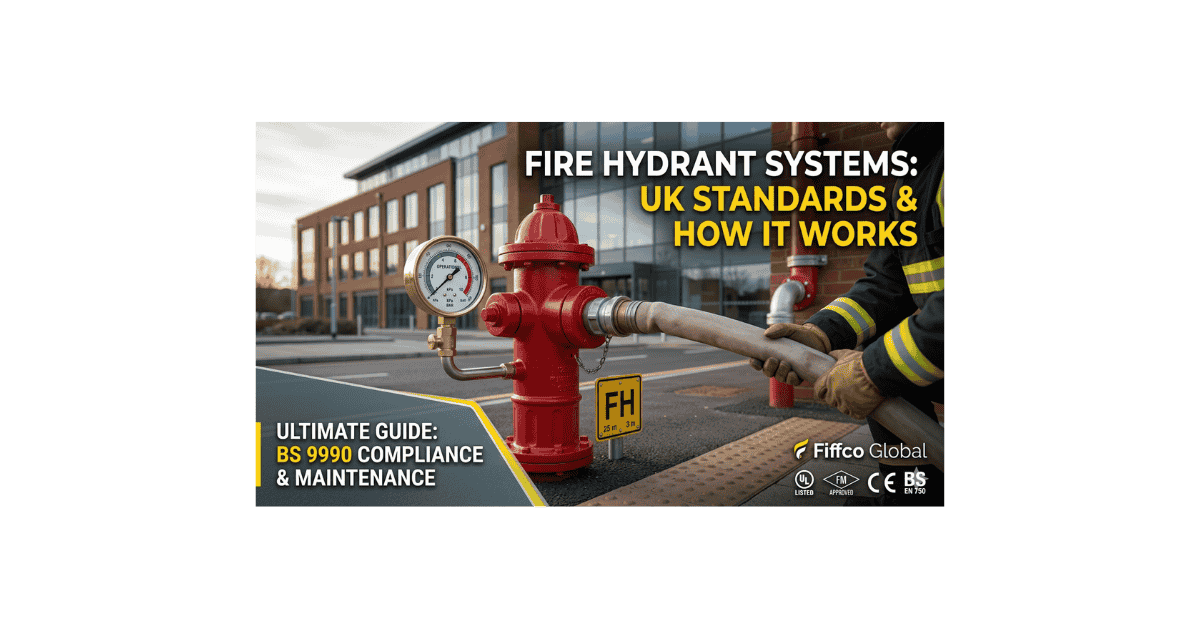
Fire hydrants
-
Landing valves
A technical overview of fire hose pipes, their types, materials, and testing standards helps ensure correct specification and placement.
Step 6: Apply Passive Fire Protection Measures
Passive fire protection controls fire spread without activation.
Key Passive Protection Elements
-
Fire-rated walls and floors
-
Fire doors and shutters
-
Compartmentation
-
Fire-stopping systems
These measures buy valuable time for evacuation and firefighting.
Step 7: Ensure Legal Compliance and Environmental Responsibility
Fire protection systems must comply with national and international regulations.
Key Compliance Areas
-
Building regulations
-
Fire safety codes
-
Environmental protection rules
-
Insurance requirements
Environmental considerations are increasingly important, especially when using foam or chemical agents. Regulatory oversight by organizations such as the Environment Agency helps ensure that systems do not cause long-term ecological harm.
Step 8: Design for Integration and Automation
Modern fire protection systems should not operate in isolation.
Smart System Integration
-
Building Management Systems (BMS)
-
Smoke control systems
-
Emergency power shutdown
-
Access control integration
Automation improves response speed and reduces human error during emergencies.
Step 9: Plan Professional Installation and Commissioning
Design alone is not enough—correct installation is critical.
Best Practices
-
Use certified installers
-
Follow manufacturer guidelines
-
Perform pressure, flow, and alarm tests
-
Commission systems before occupancy
Incorrect installation is one of the most common causes of system failure.
Step 10: Maintenance, Inspection & Testing Strategy
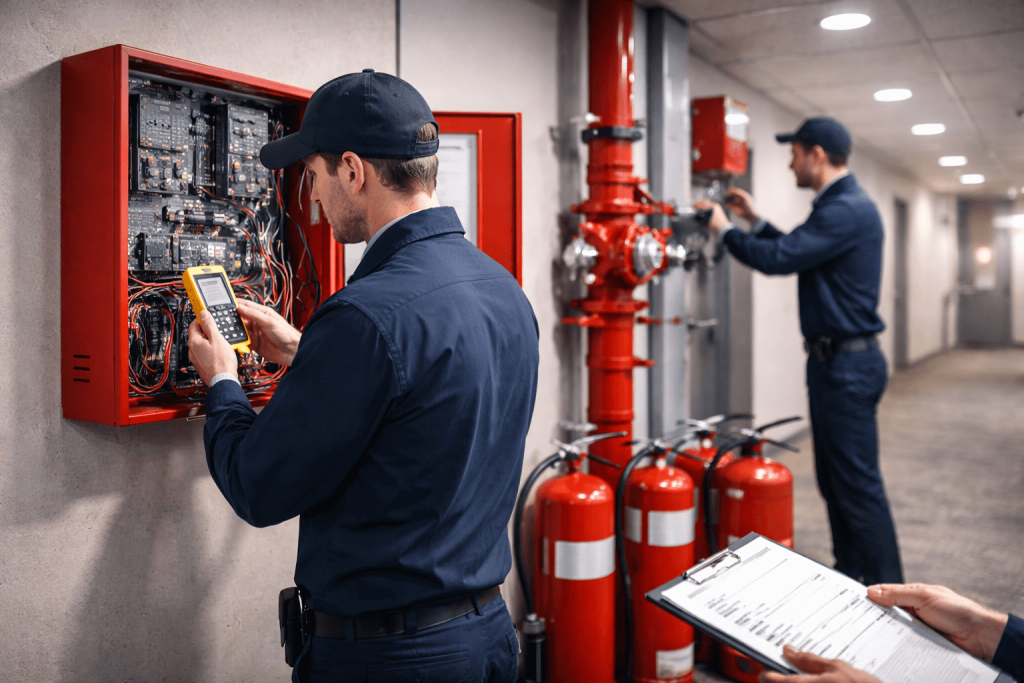
An efficient system remains efficient only with regular maintenance.
Maintenance Checklist
-
Monthly visual inspections
-
Quarterly functional testing
-
Annual system audits
-
Component replacement schedules
You can stay updated on best practices through insights from FIFFCO experts on fire safety systems.
Common Mistakes to Avoid in Fire Protection System Design
-
Designing without a risk assessment
-
Choosing systems based only on cost
-
Ignoring future building expansion
-
Failing to integrate systems
-
Neglecting maintenance planning
Avoiding these mistakes saves lives and long-term costs.
Why Work with FIFFCO for Fire Protection System Design?
Choosing the right partner is as important as choosing the right system.
FIFFCO delivers end-to-end fire protection solutions—from risk assessment and design to installation and maintenance.
Learn more about their expertise at Fiffco and explore specialized solutions for complex environments.
FAQs
What is the most efficient fire protection system?
Efficiency depends on property type, risk level, and system integration. A combination of detection, suppression, and passive protection is most effective.
How much does a fire protection system cost?
Costs vary based on system type, building size, and compliance requirements. Professional assessment is essential for accurate budgeting.
Are fire sprinklers mandatory?
In many commercial and high-rise buildings, yes—depending on local regulations.
How often should fire systems be tested?
Most systems require monthly inspections and annual certifications.
Final Thoughts
Designing an efficient fire protection system for your property is not just a regulatory obligation—it is a moral and strategic responsibility. By combining risk-based design, modern technology, regulatory compliance, and expert implementation, you can create a system that truly protects lives and assets.
If you want professional guidance, system design, or compliance support, FIFFCO offers trusted, industry-leading fire safety solutions tailored to your needs.