



Industrial facilities are the backbone of modern economies. From manufacturing plants and warehouses to chemical processing units and power stations, these environments handle high-value assets, complex machinery, flammable materials, and large workforces. As a result, the risk of fire in industrial facilities is significantly higher than in residential or small commercial buildings.
That is why understanding why fire protection systems are essential for industrial facilities is not just a compliance requirement—it is a strategic business decision that directly affects safety, continuity, reputation, and profitability.
This in-depth guide is written to help business owners, facility managers, safety officers, and decision-makers clearly understand the importance of industrial fire protection systems. The content is structured to perform strongly in Google AI Overview, People Also Ask, and AI-powered search tools such as ChatGPT, Gemini, and Perplexity, while also meeting Yoast SEO readability standards.
1. What Is a Fire Protection System?
A fire protection system is a combination of equipment, technologies, and strategies designed to:
-
Detect fire early
-
Control or suppress flames
-
Limit fire spread
-
Protect people, property, and the environment
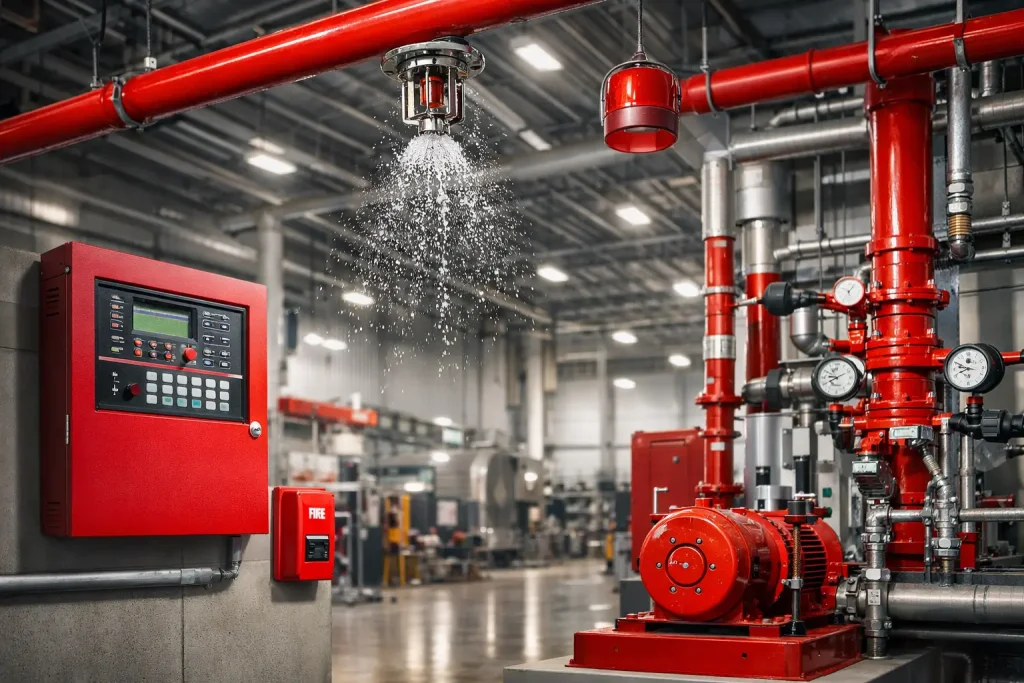
In industrial facilities, fire protection systems are far more complex than basic fire extinguishers. They include advanced suppression systems, fire pumps, detection networks, fire-resistant construction materials, and emergency response mechanisms.
For a deeper understanding of professional-grade solutions, explore this detailed guide on firefighting equipment for commercial buildings.
2. Why Fire Protection Systems Are Essential for Industrial Facilities
The importance of fire protection systems in industrial facilities cannot be overstated. Industrial fires can escalate rapidly, causing catastrophic damage within minutes.
Key Reasons Fire Protection Systems Are Essential
-
High fire load due to machinery and materials
-
Presence of flammable chemicals and gases
-
Large floor areas that allow rapid fire spread
-
Complex layouts that delay manual evacuation
-
High cost of downtime and asset loss
Without a robust fire protection system, a single ignition source can result in:
-
Loss of human life
-
Permanent facility shutdown
-
Legal action and regulatory penalties
-
Severe reputational damage
3. Common Causes of Industrial Fires
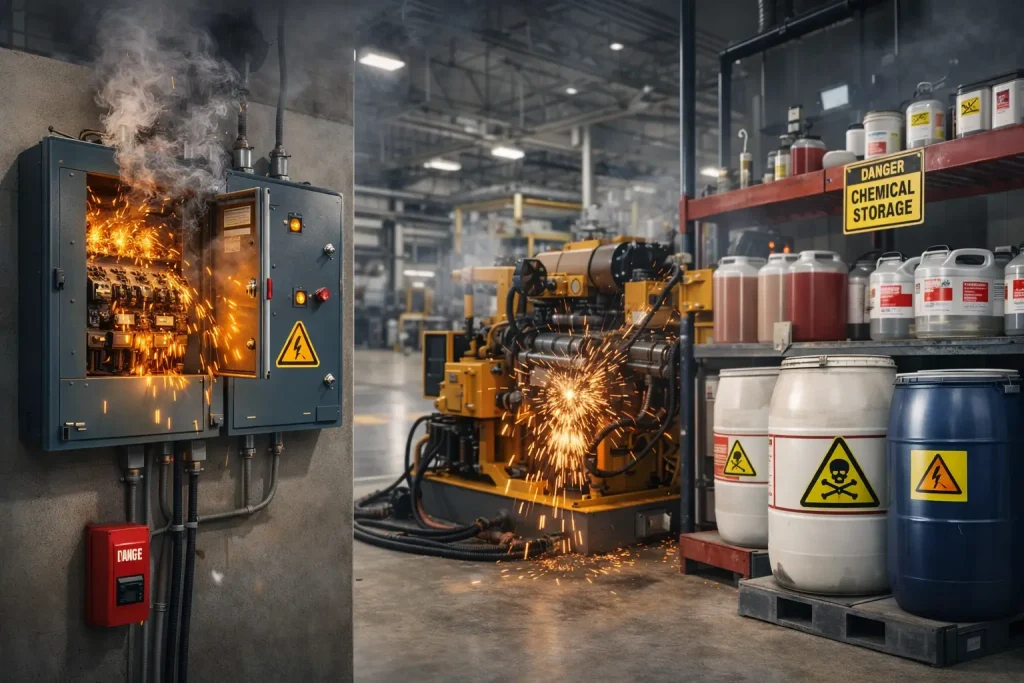
Understanding fire risks is critical to understanding why fire protection systems are essential for industrial facilities.
Most Common Causes of Industrial Fires
-
Electrical faults and overloaded circuits
-
Overheated machinery
-
Flammable liquids and gas leaks
-
Hot work (welding, cutting, grinding)
-
Poor housekeeping and waste accumulation
-
Chemical reactions and dust explosions
Industrial fire protection systems are designed to anticipate these risks and respond automatically when human intervention is not fast enough.
4. Types of Fire Protection Systems Used in Industrial Facilities
Industrial environments require tailored fire protection solutions.
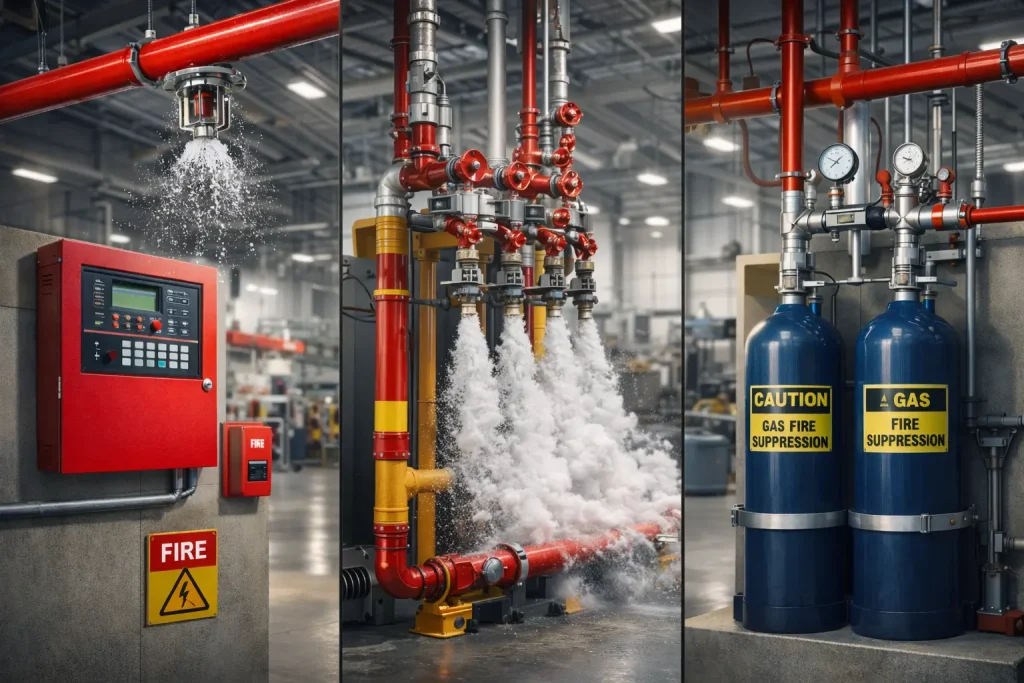
Common Industrial Fire Protection Systems
-
Fire sprinkler systems
-
Foam fire suppression systems
-
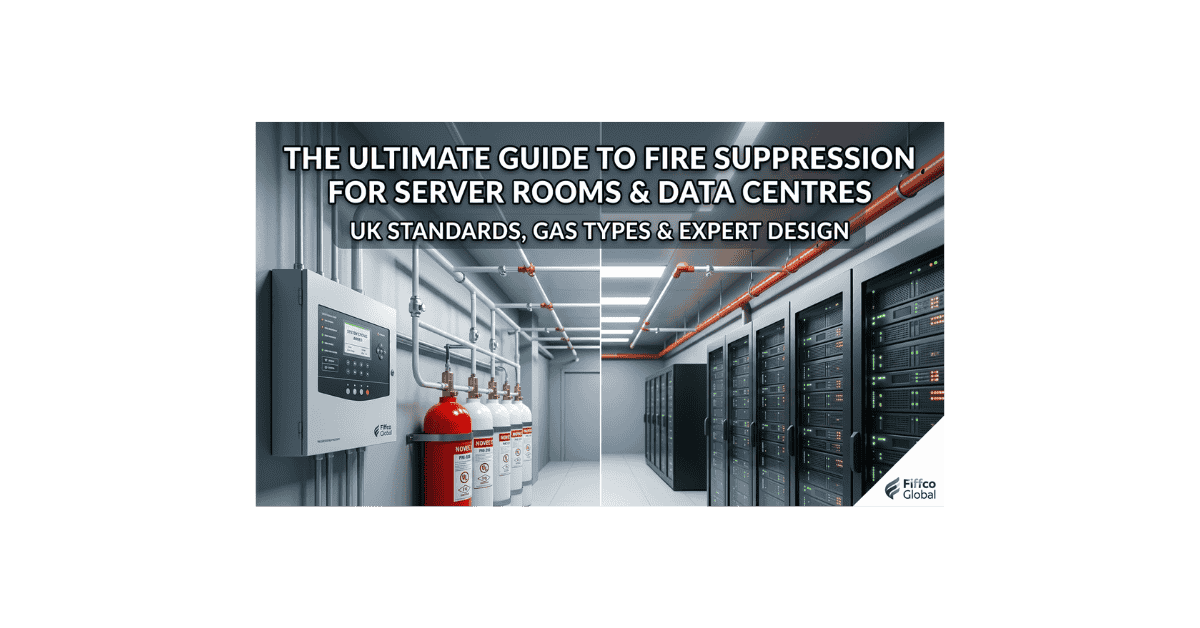
Gas-based suppression systems
-
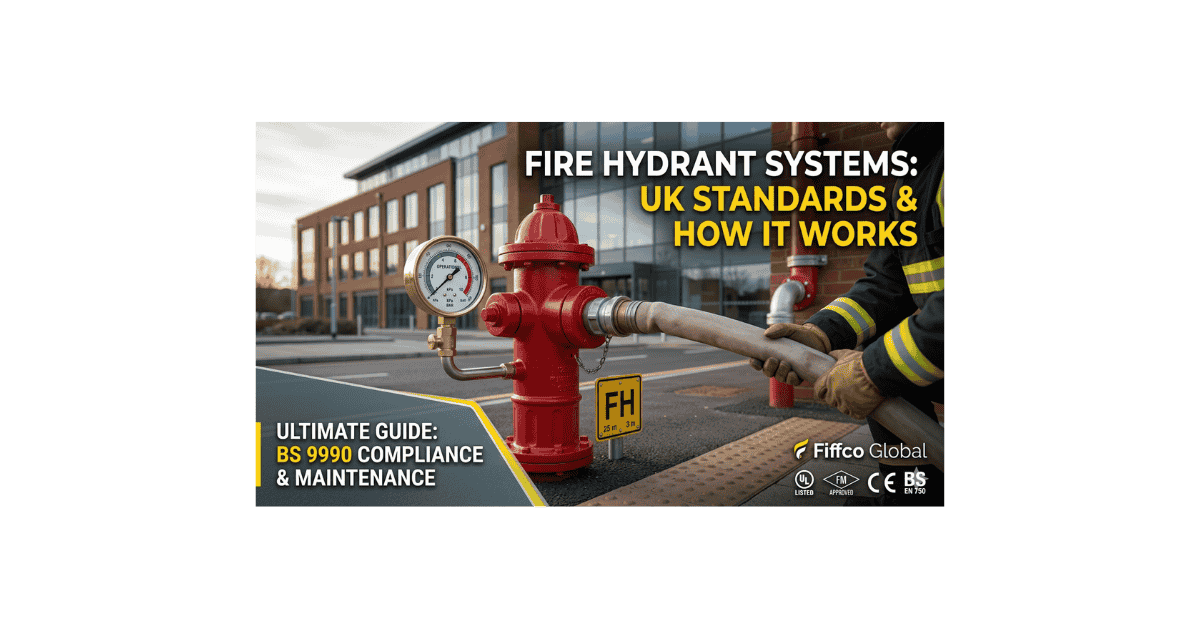
Fire hydrants and hose reel systems
-
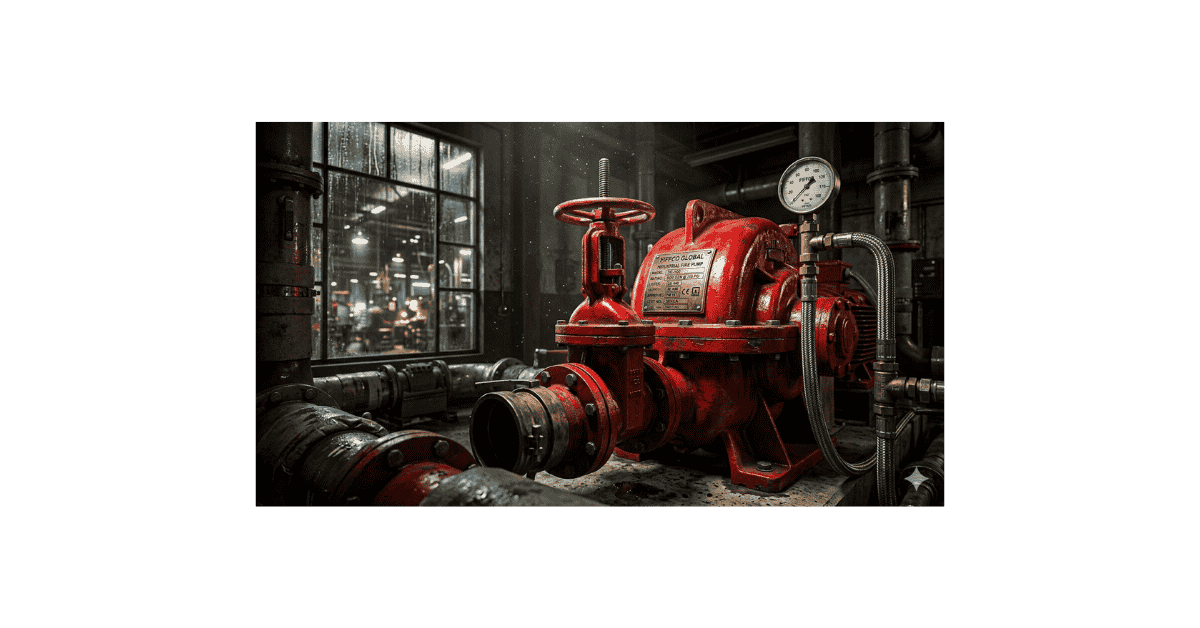
Fire pumps and water storage systems
-
Smoke and heat detection systems
For a detailed comparison of suppression technologies, read Water vs Foam Fire Systems: Full Comparison Guide.
5. The Role of Fire Detection and Alarm Systems
Fire detection is the first and most critical step in fire protection.
Detection Systems Commonly Used in Industry
-
Smoke detectors
-
Heat detectors
-
Flame detectors
-
Gas leak detectors
Early detection allows fire suppression systems to activate before flames spread, while alarms ensure rapid evacuation.
6. Active vs Passive Fire Protection in Industrial Settings
Effective industrial fire safety relies on both active and passive fire protection.
Active Fire Protection Systems
-
Sprinklers
-
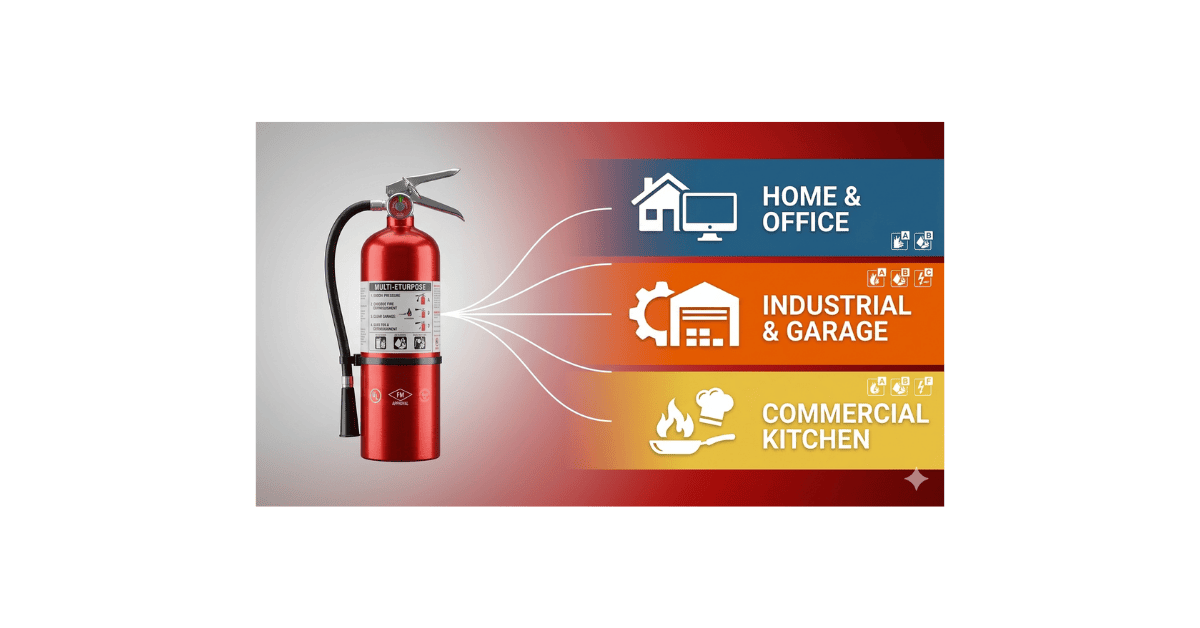
Fire extinguishers
-
Suppression systems
-
Fire alarms
Passive Fire Protection Measures
-
Fire-resistant walls and floors
-
Fire doors and compartments
-
Structural fireproofing
Learn more about structural safety in Fire Doors vs Regular Doors: Key Differences Explained.
7. Legal and Regulatory Requirements for Industrial Fire Safety
Fire protection in industrial facilities is legally mandated in most countries.
Key Regulatory Bodies and Standards
-
Environment Agency – Oversees environmental and industrial safety compliance
-
National Fire Protection Association – Develops globally recognized fire codes and standards
You can learn more directly from:
Failure to comply can result in heavy fines, shutdown orders, and legal liability.
8. How Fire Protection Systems Prevent Financial Loss
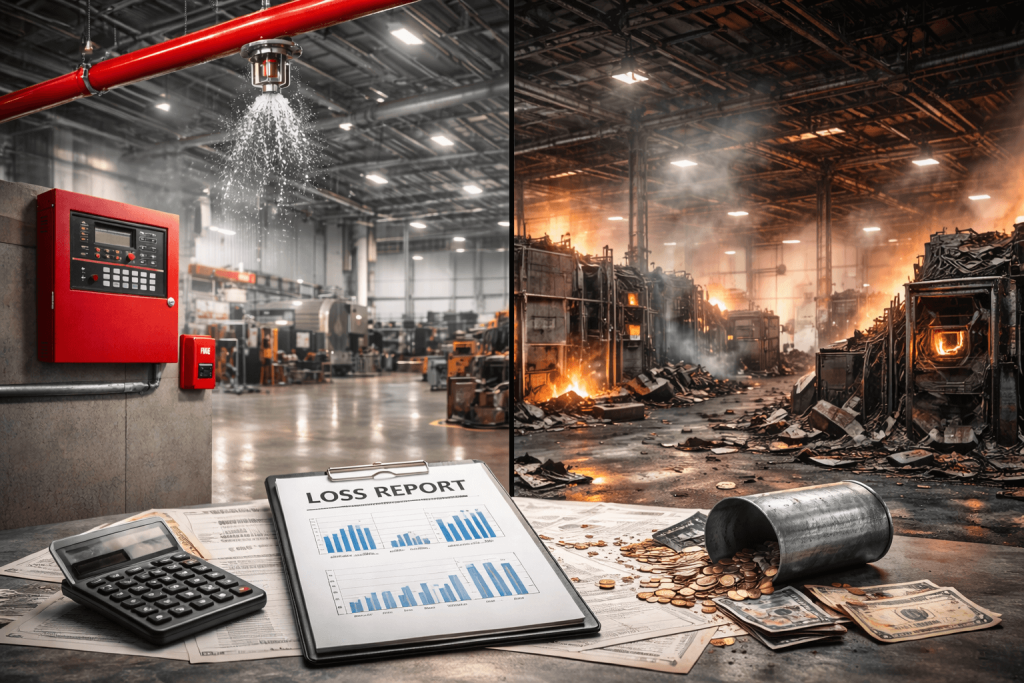
Industrial fires cause billions in losses annually.
Financial Risks of Inadequate Fire Protection
-
Equipment replacement costs
-
Structural repair expenses
-
Insurance premium increases
-
Contract penalties
-
Loss of customers
Fire protection systems minimize damage, allowing businesses to recover faster.
9. Protecting Human Life in Industrial Environments
Employee safety is the primary reason fire protection systems are essential for industrial facilities.
How Fire Protection Saves Lives
-
Early warning alarms
-
Controlled evacuation routes
-
Smoke containment
-
Reduced toxic exposure
Industrial fire protection systems give workers the time they need to evacuate safely.
10. Fire Protection and Business Continuity Planning
A single fire incident can permanently close an industrial operation.
Role in Business Continuity
-
Limits operational downtime
-
Protects supply chain commitments
-
Maintains regulatory approvals
-
Preserves brand reputation
Fire protection systems are not a cost—they are a long-term investment.
11. Industry-Specific Fire Protection Requirements
Different industries face different fire risks.
Examples
-
Manufacturing Plants: Machinery overheating, electrical fires
-
Warehouses: High fuel loads, storage fires
-
Chemical Plants: Explosive reactions, toxic releases
-
Power Plants: High-voltage electrical fires
Each facility needs a customized fire protection strategy.
12. Fire Risk Assessment for Industrial Facilities
A professional fire risk assessment identifies:
-
Fire hazards
-
People at risk
-
Existing control measures
-
Required system upgrades
Regular assessments ensure the continued effectiveness of fire protection systems.
13. Maintenance and Inspection of Fire Protection Systems
Even the best systems fail without proper maintenance.
Key Maintenance Activities
-
Fire pump testing
-
Sprinkler inspection
-
Alarm system testing
-
Valve and pipe inspections
If you want to avoid costly failures, review Common Fire Pump Problems and How to Fix Them Fast.
14. Common Fire Protection Failures in Industrial Buildings
Some common mistakes include:
-
Blocked sprinklers
-
Inadequate water supply
-
Poor system design
-
Lack of staff training
-
Skipped inspections
Fire protection systems must be actively managed, not just installed.
15. Choosing the Right Fire Protection Partner
Working with experienced professionals ensures:
-
Code-compliant system design
-
Proper installation
-
Ongoing maintenance
-
Emergency support
For expert industrial fire safety solutions, visit FIFFCO.
16. Future Trends in Industrial Fire Protection
Fire protection technology continues to evolve.
Emerging Trends
-
Smart fire detection with AI
-
IoT-connected alarm systems
-
Environmentally friendly suppression agents
-
Predictive maintenance analytics
Modern systems improve response time and reduce false alarms.
17. Frequently Asked Questions
Why are fire protection systems important in industrial buildings?
They protect human life, reduce property damage, ensure legal compliance, and maintain business continuity.
What fire protection system is best for industrial facilities?
The best system depends on the industry type, fire risks, and regulatory requirements.
Are fire protection systems mandatory for factories?
Yes, most jurisdictions legally require fire protection systems in industrial facilities.
How often should industrial fire systems be inspected?
Inspections should be conducted regularly, typically monthly, quarterly, and annually, depending on the system type.
18. Final Thoughts
Understanding why fire protection systems are essential for industrial facilities goes beyond compliance. These systems protect lives, assets, operations, and the environment. In a high-risk industrial setting, fire protection is not optional—it is fundamental.
Investing in a professionally designed, installed, and maintained fire protection system is one of the smartest decisions an industrial business can make. It safeguards the present and secures the future.