



Fire safety systems play a vital role in protecting people, property, and business operations. In today’s world, fire risks are increasing due to complex building designs, advanced electrical systems, and higher occupancy levels. Therefore, understanding Fire Safety Systems & Industry Insights is essential for every building owner and facility manager.
This guide explains fire safety systems clearly and simply. Moreover, it highlights industry trends, compliance requirements, and best practices to help you stay protected and compliant with the law.
What Are Fire Safety Systems?
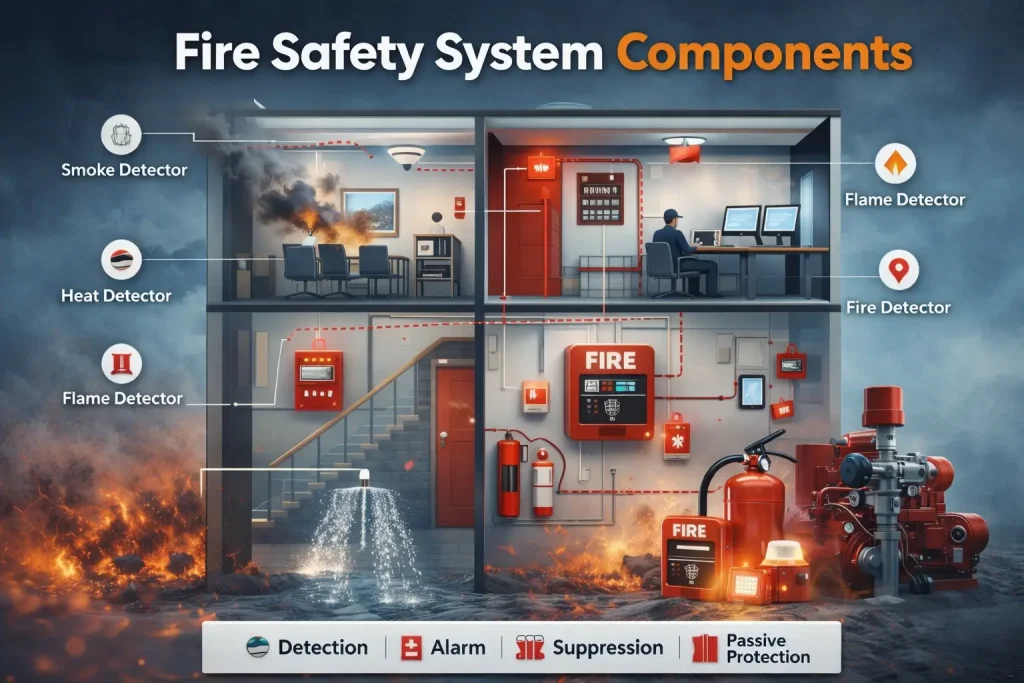
Fire safety systems are a combination of equipment, technology, and procedures designed to prevent, detect, control, and manage fire incidents. In other words, they reduce risk before a fire starts and limit damage if a fire occurs.
Key objectives of fire safety systems include:
- Detecting fire early
- Warning occupants quickly
- Suppressing or controlling flames
- Supporting safe evacuation
- Protecting assets and infrastructure
As a result, well-designed fire safety systems save lives and reduce financial loss.
Why Fire Safety Systems Are More Important Than Ever
Fire incidents can cause serious damage within minutes. However, modern fire safety systems significantly reduce this risk.
Main reasons fire safety systems matter:
- They protect human life
- They ensure legal compliance
- They reduce downtime after incidents
- They help lower insurance costs
- They protect brand reputation
For this reason, investing in fire safety is no longer optional.
Main Components of Fire Safety Systems
A complete fire safety strategy includes several connected systems. Each system has a specific role.
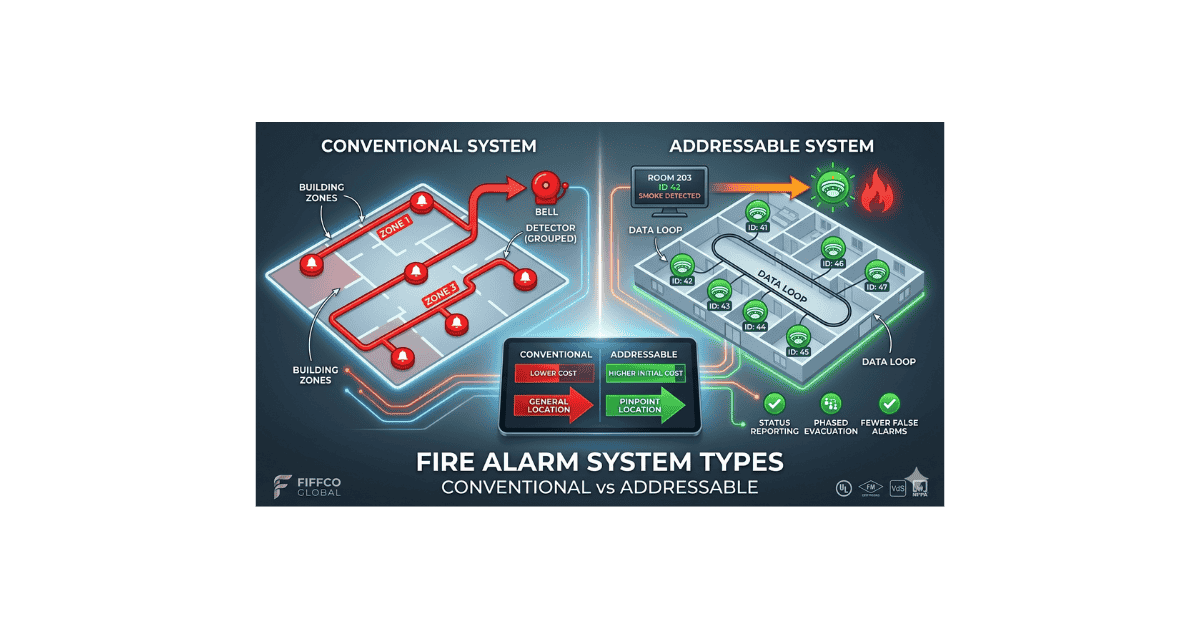
Fire Detection and Alarm Systems
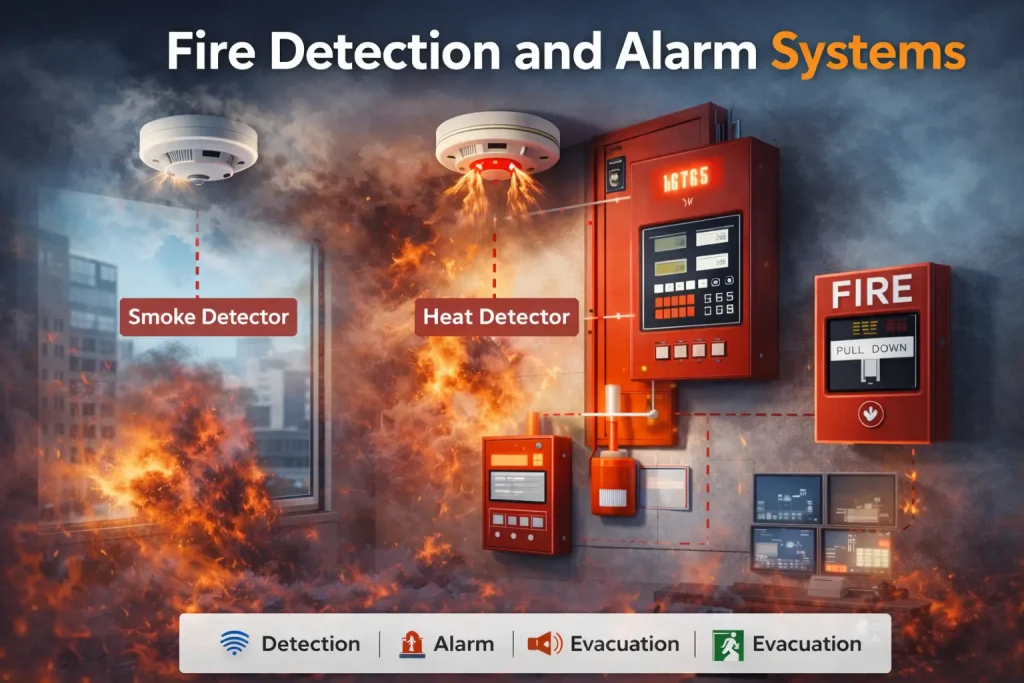
Fire detection systems detect fires early. As soon as smoke, heat, or flames are detected, alarms alert occupants.
Common detection devices include:
- Smoke detectors
- Heat detectors
- Flame detectors
- Multi-sensor detectors
In addition, alarm systems notify emergency responders, which speeds up rescue operations.
Fire Suppression Systems
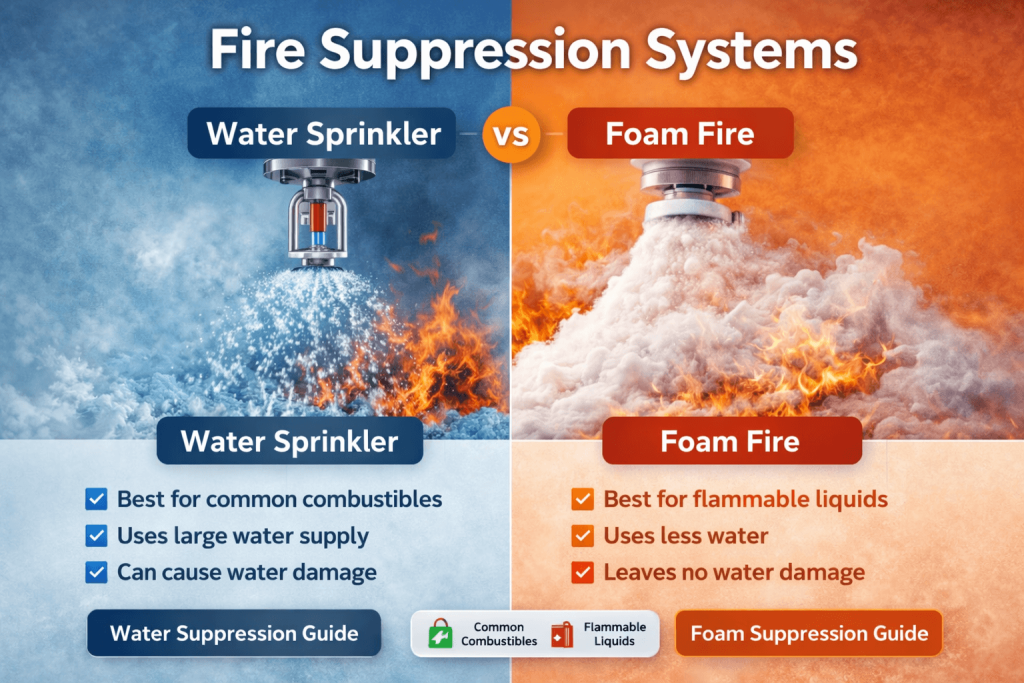
Fire suppression systems actively fight fire once it is detected. Therefore, they are critical for damage control.
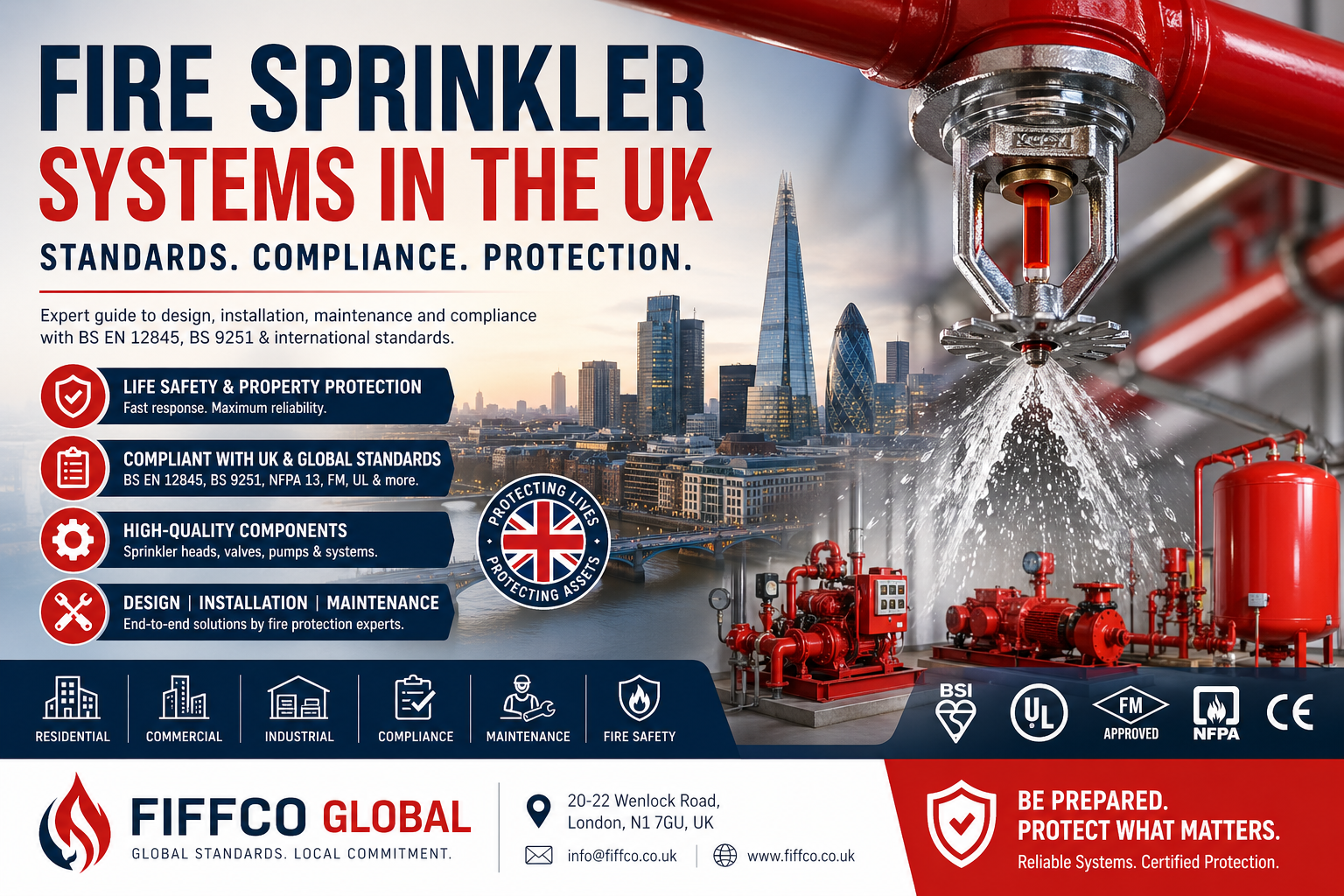
Common fire suppression systems:
- Water sprinkler systems
- Foam fire suppression systems
- Gas-based systems (FM-200, CO₂, Novec 1230)
- Dry chemical systems
For a detailed comparison, read this guide on
water vs foam fire suppression systems
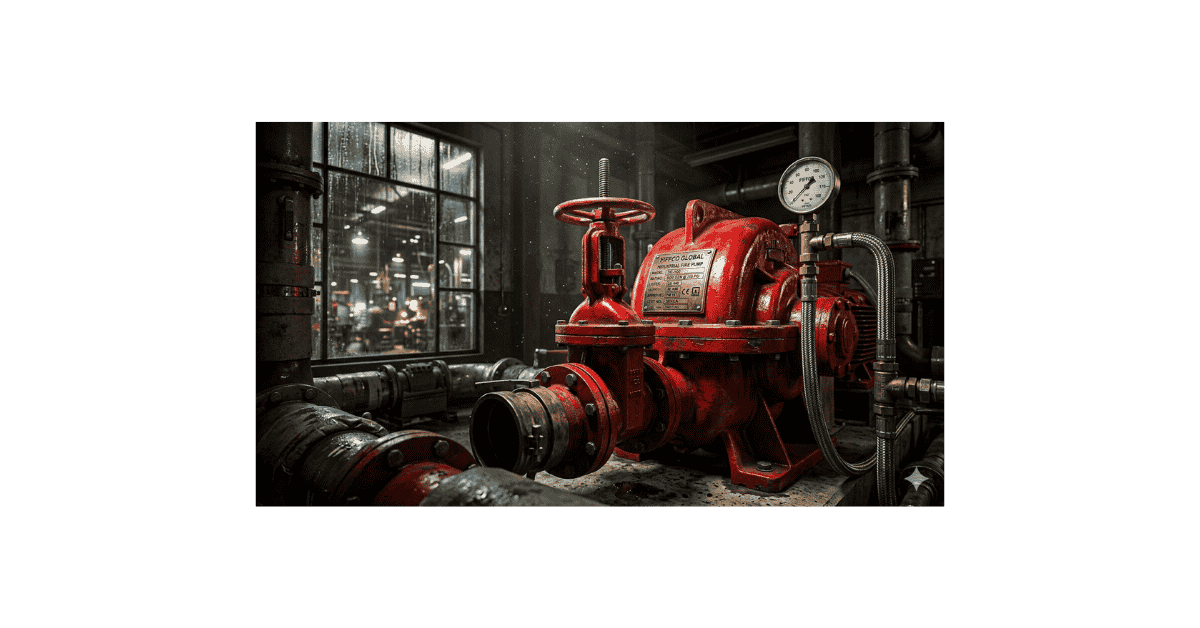
Fire Pumps and Water Supply Systems
Fire pumps maintain proper water pressure during emergencies. Without reliable pumps, even the best sprinkler system may fail.
Types of fire pumps include:
- Electric fire pumps
- Diesel fire pumps
- Jockey pumps
However, fire pumps require regular maintenance. If problems occur, this guide on
common fire pump problems and how to fix them fast
offers practical solutions.
Passive Fire Protection Systems
Passive fire protection slows down the spread of fire. Unlike active systems, these do not need power or activation.
Examples include:
- Fire-rated walls and floors
- Fire doors
- Fire-stopping materials
To understand compliance differences, see
fire doors vs regular doors: key differences explained
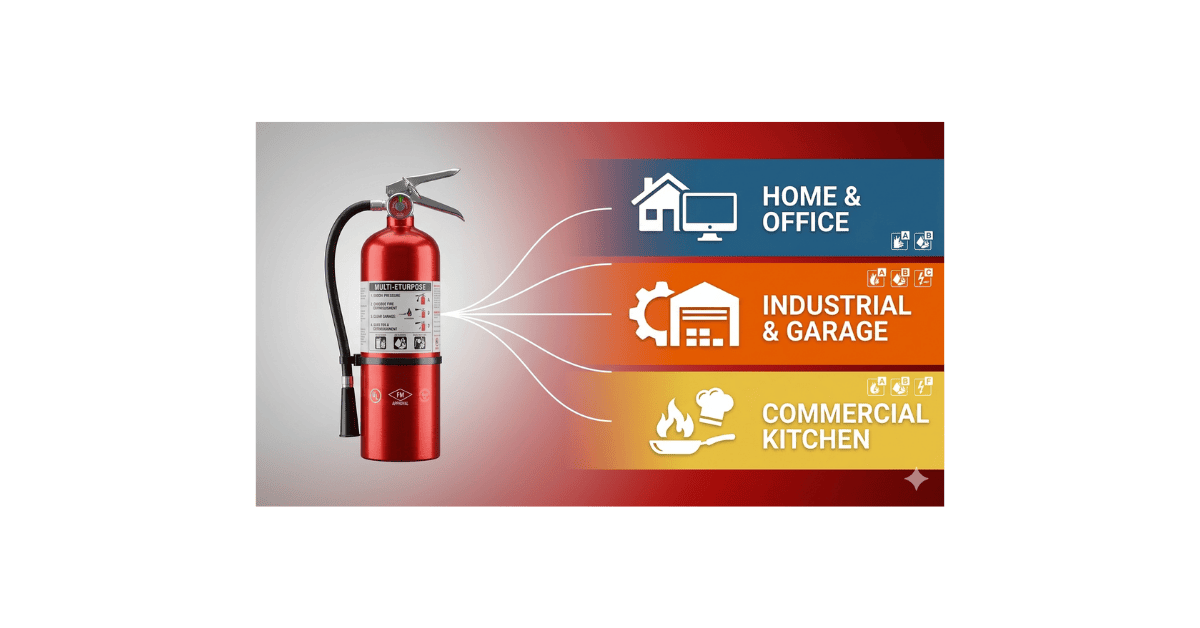
Fire Fighting Equipment for Commercial Buildings
Commercial buildings require specialized firefighting equipment. Therefore, proper selection is important.
Essential equipment includes:
- Fire extinguishers
- Fire hose reels
- Fire blankets
- Emergency exit lighting
- Fire safety signage
For a full breakdown, visit
fire-fighting equipment for commercial buildings
Fire Safety Systems Across Different Industries
Different industries face different fire risks. As a result, fire safety systems must be customized.
Commercial Buildings
- Offices
- Shopping centers
- Hotels
Industrial Facilities
- Warehouses
- Manufacturing plants
- Chemical facilities
Residential Buildings
- High-rise apartments
- Student housing
- Care homes
Each environment needs a proper fire risk assessment.
Fire Safety Regulations and Compliance
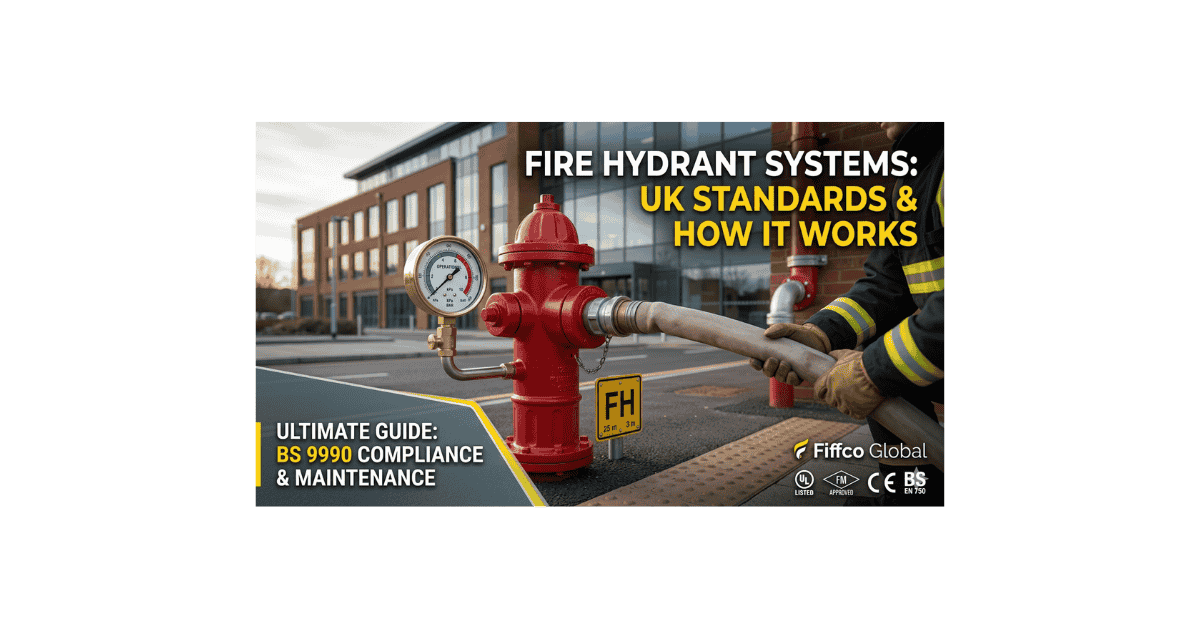
Fire safety compliance is a legal requirement. Therefore, ignoring regulations can result in severe penalties.
Important regulatory authorities:
By following these standards, businesses stay safe and compliant.
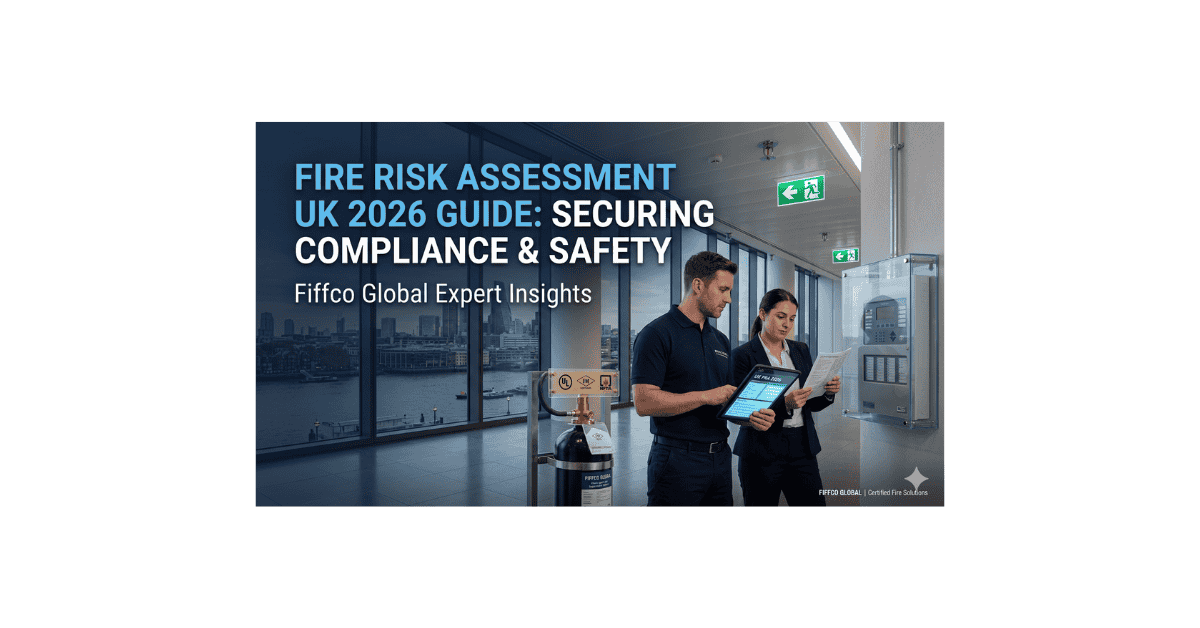
Fire Risk Assessment: The Foundation of Fire Safety
A fire risk assessment identifies hazards and evaluates existing safety measures. Moreover, it highlights areas that need improvement.
A proper assessment:
- Identifies fire risks
- Protects vulnerable occupants
- Improves evacuation planning
- Ensures legal compliance
Therefore, regular assessments are essential.
Industry Insights: Latest Trends in Fire Safety Systems
Fire safety technology continues to evolve. As a result, modern systems are smarter and more efficient.
Key industry trends include:
- Smart fire alarm systems with remote monitoring
- AI-based fire detection to reduce false alarms
- Environment-friendly suppression agents
- Integrated building management systems
These innovations improve response time and reduce damage.
Common Fire Safety Mistakes to Avoid
Many fire incidents occur due to simple mistakes. However, these issues are preventable.
Common mistakes include:
- Skipping regular maintenance
- Using outdated equipment
- Blocking fire exits
- Poor fire door installation
- Lack of staff training
Avoiding these mistakes improves overall safety.
Choosing the Right Fire Safety Partner
A reliable fire safety provider ensures long-term protection. Therefore, choosing the right partner is critical.
Look for a provider that offers:
- Certified professionals
- End-to-end solutions
- Compliance expertise
- Maintenance and support
A trusted provider like
FIFFCO
delivers professional fire safety solutions tailored to your needs.
Frequently Asked Questions
What is the most effective fire safety system?
A combination of detection, suppression, and passive protection works best.
How often should systems be inspected?
Most systems require monthly checks and annual professional inspections.
Are fire safety systems mandatory?
Yes, they are legally required in most buildings.
What is the future of fire safety?
Smart technology and AI-based systems are shaping the future.
Final Thoughts on Fire Safety Systems & Industry Insights
Fire safety systems are essential for protecting lives and assets. Moreover, staying up to date with industry insights helps businesses remain compliant and prepared.
By investing in modern fire safety systems, organizations create safer and more resilient environments. For expert solutions and compliance support, visit
FIFFCO