

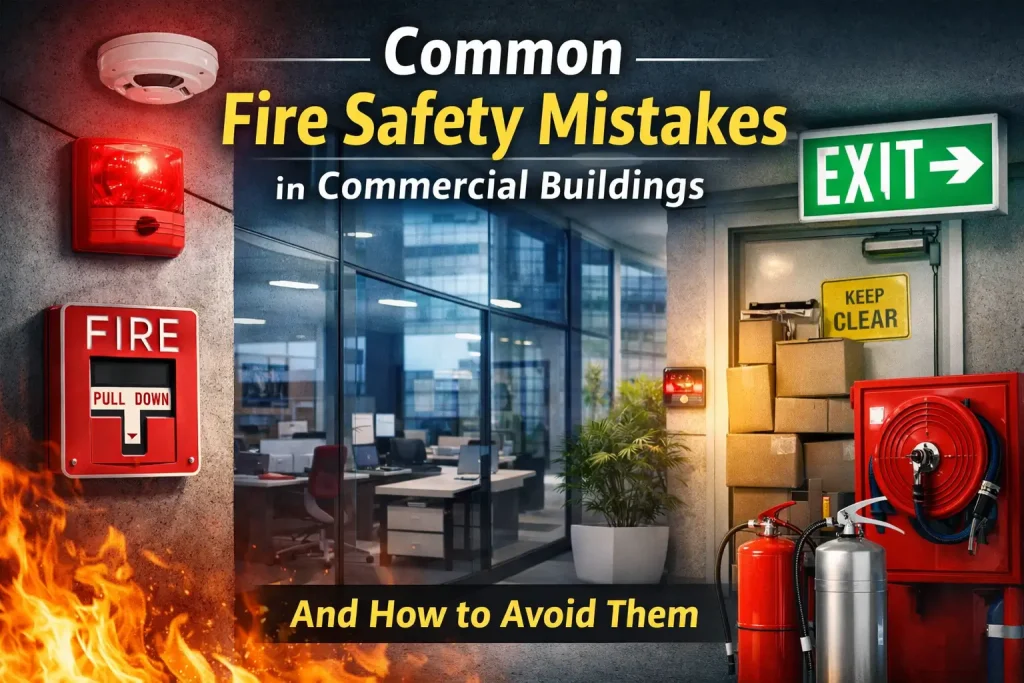
Fire safety is not optional for commercial buildings—it is a legal, operational, and moral responsibility. Yet, despite strict regulations and advanced technologies, fire safety mistakes in commercial buildings remain alarmingly common. These mistakes not only increase the risk of fire outbreaks but also lead to serious consequences, including property damage, business disruption, legal penalties, and loss of life.
This in-depth guide explores the most common fire safety mistakes in commercial buildings, why they happen, and—most importantly—how to avoid them using proven best practices, modern fire safety systems, and expert insights.
Whether you manage an office, factory, warehouse, hotel, hospital, or retail complex, this article will help you identify gaps in your fire safety strategy and correct them before they turn into costly disasters.
Why Fire Safety in Commercial Buildings Is Critical
Commercial buildings typically have:
-
High occupant density
-
Complex electrical systems
-
Flammable materials
-
Multiple escape routes and fire zones
A single overlooked fire safety issue can escalate rapidly. According to global fire safety authorities, most commercial fires are preventable—they result from poor planning, lack of maintenance, or non-compliance with fire safety standards.
Understanding common mistakes is the first step toward prevention.
1. Lack of a Proper Fire Risk Assessment
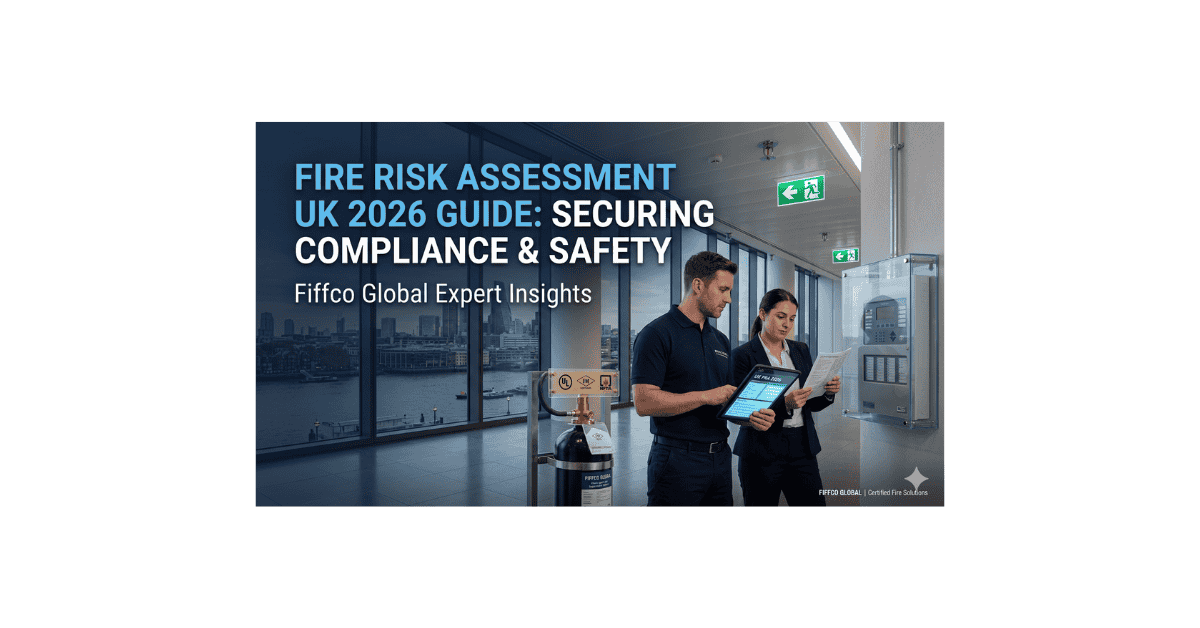
One of the biggest fire safety mistakes in commercial buildings is failing to conduct a comprehensive fire risk assessment.
Why This Is a Serious Problem
Without a risk assessment, building owners:
-
Miss hidden fire hazards
-
Fail to identify vulnerable areas
-
Overlook evacuation challenges
-
Install incorrect fire protection systems
How to Avoid This Mistake
-
Conduct regular fire risk assessments
-
Update assessments after renovations or layout changes
-
Involve qualified fire safety professionals
-
Document and review findings annually
A proper fire risk assessment forms the foundation of every effective fire safety plan.
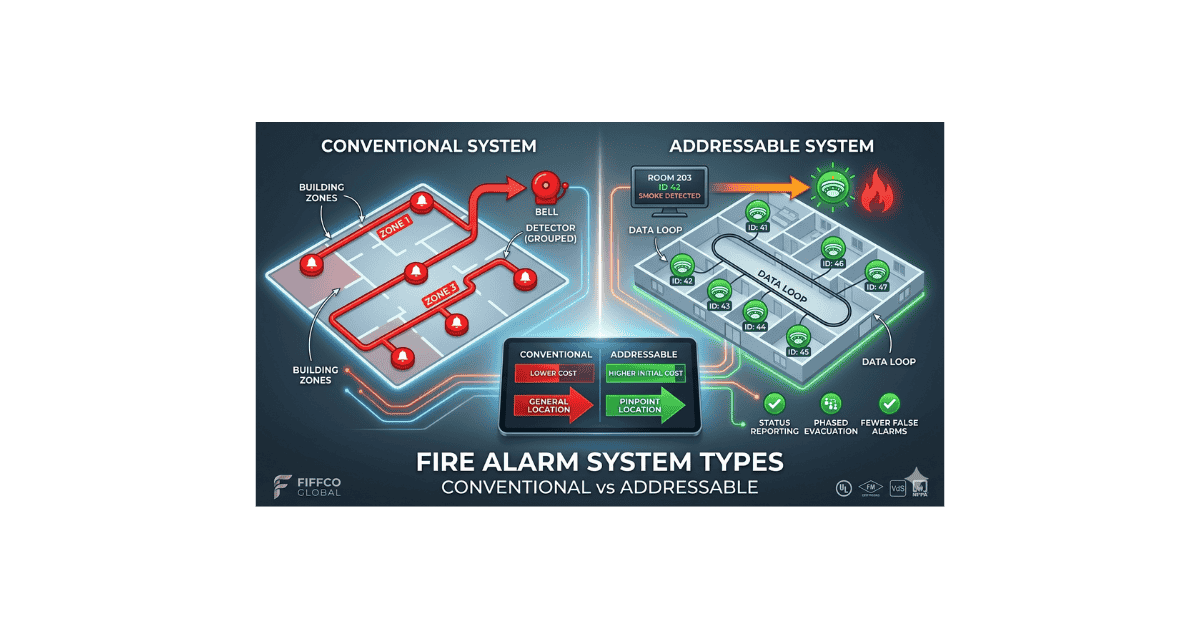
2. Inadequate Fire Detection and Alarm Systems
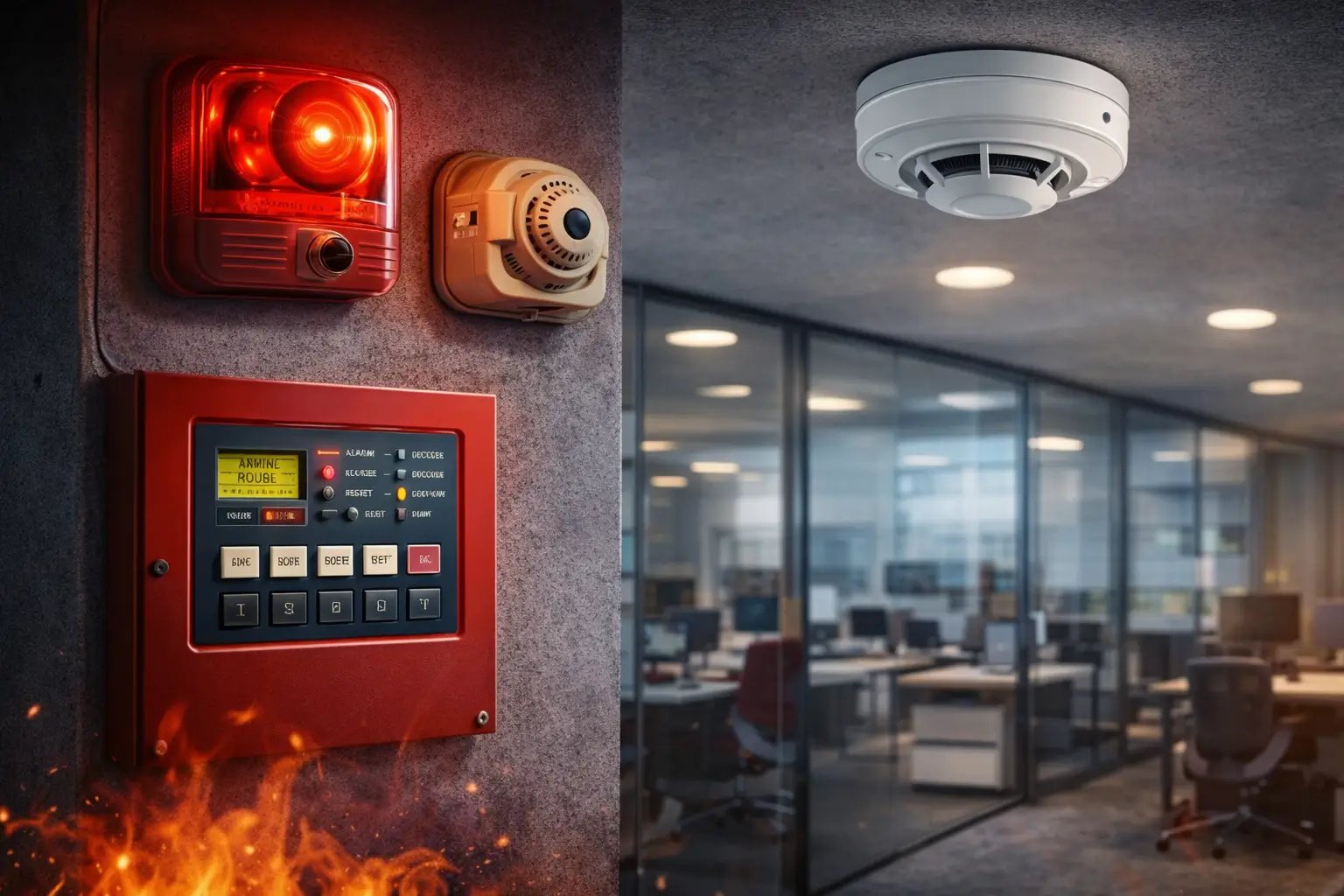
Many commercial buildings rely on outdated or poorly designed fire alarm systems.
-
Insufficient smoke detectors
-
Faulty alarm panels
-
No zoning for large buildings
-
Lack of integration with suppression systems
How to Avoid This Mistake
Install modern, code-compliant fire detection systems tailored to your building type. Systems should:
-
Detect smoke, heat, and flame early
-
Provide audible and visual alerts
-
Integrate with sprinklers and emergency lighting
-
Be tested and maintained regularly
For deeper insights into modern fire technologies, explore industry-level guidance on fire safety systems and best practices available.
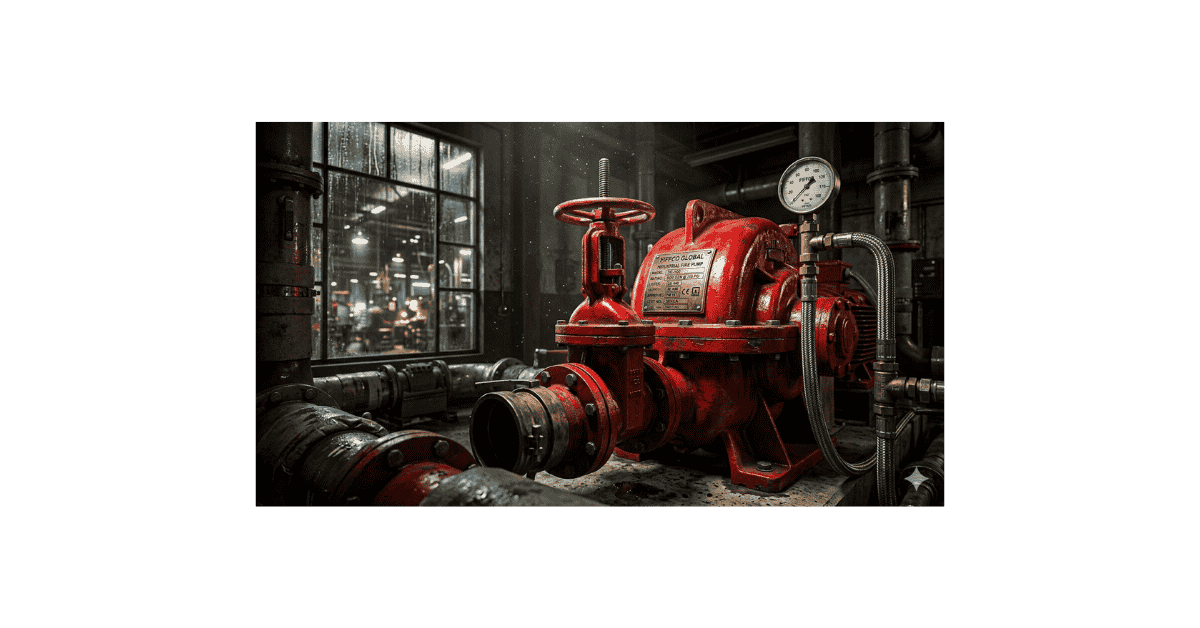
3. Poor Maintenance of Fire Fighting Equipment
Having firefighting equipment is not enough—it must work when needed.
Frequently Overlooked Issues
-
Expired fire extinguishers
-
Blocked or leaking fire hose reels
-
Corroded valves
-
Unpressurized suppression systems
How to Avoid This Mistake
-
Schedule routine inspections
-
Replace damaged or expired equipment
-
Keep maintenance records
-
Train staff to report faults immediately
Learn more about essential firefighting equipment for commercial buildings, including selection and maintenance.
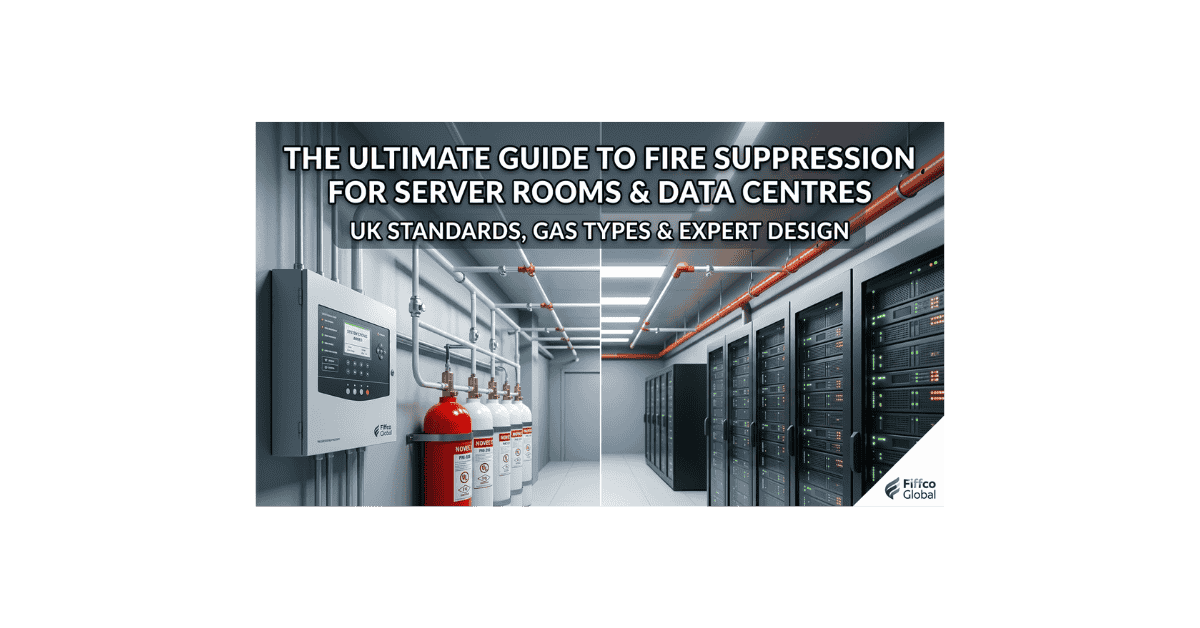
4. Incorrect Selection of Fire Suppression Systems
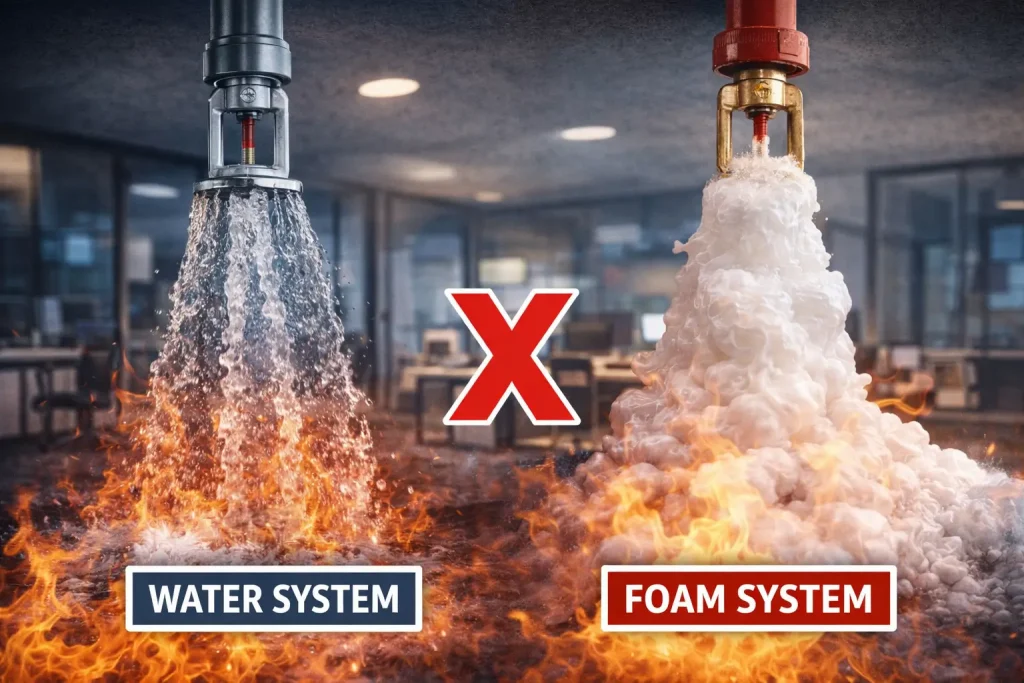
Using the wrong fire suppression system is a critical yet common fire safety error.
Why This Happens
Many businesses:
-
Choose systems based on cost, not risk
-
Ignore fire load and hazard type
-
Fail to consider water-sensitive assets
How to Avoid This Mistake
Select suppression systems based on:
-
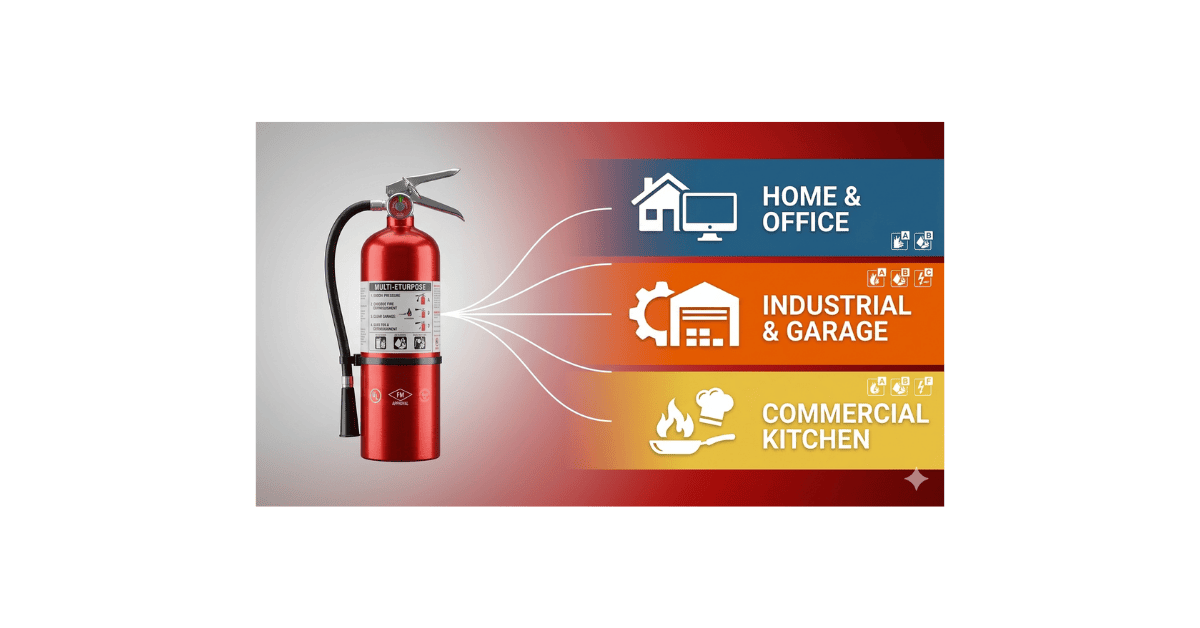
Fire classification (A, B, C, D, F)
-
Building usage
-
Equipment sensitivity
-
Local regulations
For a detailed breakdown, read the complete comparison between water and foam fire suppression systems
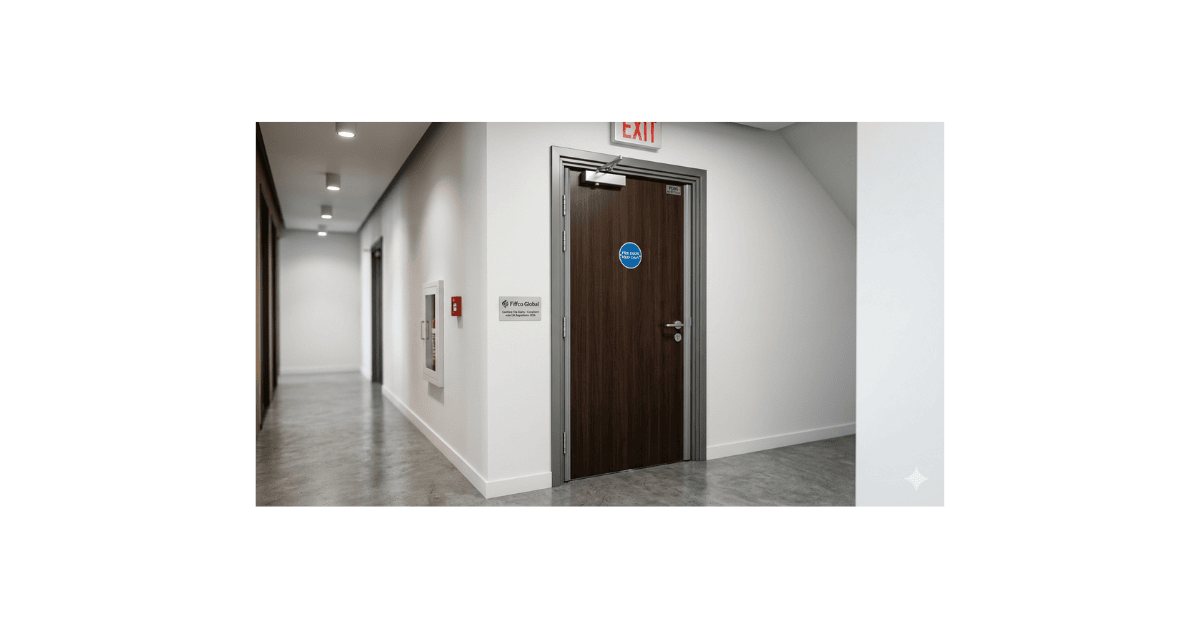
5. Blocked or Poorly Marked Emergency Exits
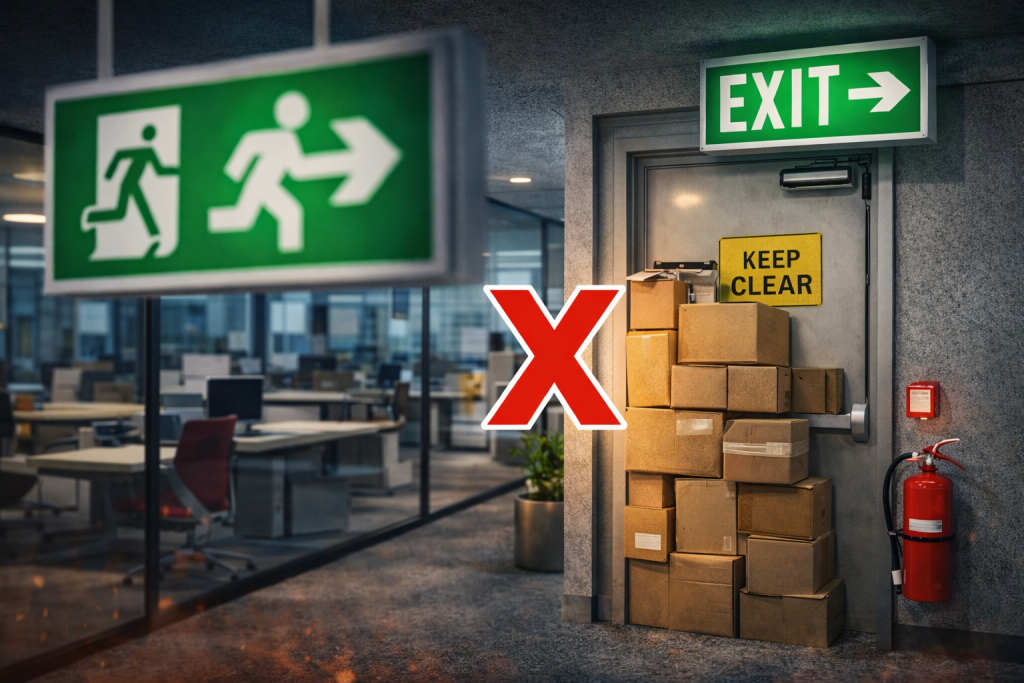
Blocked exits are one of the most dangerous fire safety mistakes in commercial buildings.
Common Causes
-
Storage is placed in exit corridors
-
Locked fire doors
-
Poor signage
-
Inadequate emergency lighting
How to Avoid This Mistake
-
Keep exits clear at all times
-
Install illuminated exit signage
-
Test emergency lighting regularly
-
Train staff on evacuation procedures
Clear exits save lives during emergencies.
6. Lack of Fire Safety Training for Staff
Even the best fire systems fail if people don’t know how to use them.
Common Training Gaps
-
Employees are unaware of evacuation routes
-
No fire extinguisher training
-
Panic during emergencies
-
Unclear responsibilities
How to Avoid This Mistake
-
Conduct regular fire drills
-
Provide hands-on extinguisher training
-
Assign fire wardens
-
Display evacuation maps clearly
Fire safety is a shared responsibility, not just a management task.
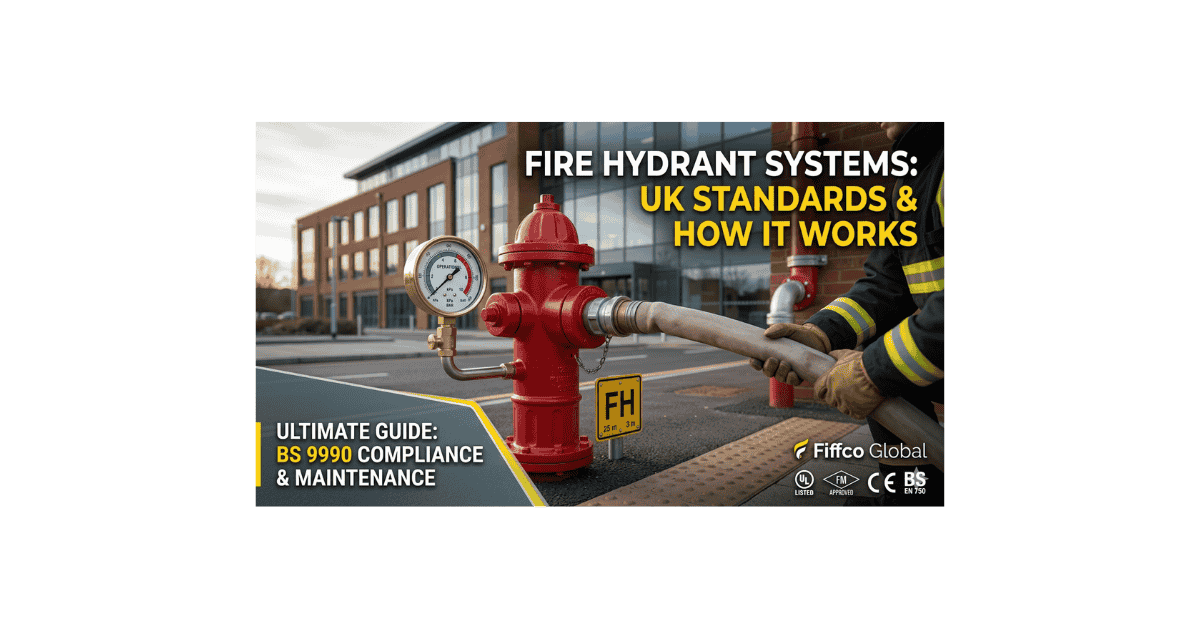
7. Ignoring Fire Hose System Standards
Fire hose systems are often installed but rarely understood or maintained properly.
Common Mistakes
-
Using incorrect hose materials
-
No pressure testing
-
Poor accessibility
-
Incompatible fittings
How to Avoid This Mistake
Ensure fire hose systems meet regulatory standards and undergo routine testing.
A complete technical guide on fire hose pipes, materials, testing, and compliance is available here.
8. Electrical Hazards and Poor Housekeeping
Electrical faults remain one of the leading causes of commercial fires.
Common Electrical Fire Risks
-
Overloaded circuits
-
Damaged wiring
-
Improper use of extension cords
-
Poor equipment maintenance
How to Avoid This Mistake
-
Conduct electrical inspections
-
Replace damaged cables
-
Avoid temporary wiring solutions
-
Maintain clean, clutter-free workspaces
Good housekeeping significantly reduces fire risk.
9. Non-Compliance With Fire Safety Regulations
Failure to comply with fire safety laws can lead to:
-
Heavy fines
-
Business shutdowns
-
Legal liability
-
Insurance invalidation
How to Avoid This Mistake
-
Stay updated with fire regulations
-
Work with certified fire safety providers
-
Maintain compliance documentation
For regulatory and environmental safety guidance, consult official authorities like the Environment Agency, which plays a key role in fire-related environmental compliance in the UK.
10. No Integrated Fire Safety Strategy
Perhaps the most overlooked mistake is treating fire safety as a set of isolated components rather than a complete system.
What an Integrated Strategy Includes
-
Risk assessment
-
Detection systems
-
Suppression systems
-
Evacuation planning
-
Training and maintenance
Professional fire safety providers like
emphasize end-to-endfire protection solutions rather than fragmented installations.
Frequently Asked Questions
What are the most common fire safety mistakes in commercial buildings?
The most common mistakes include failing to conduct risk assessments, poor maintenance, blocked exits, outdated alarm systems, and untrained staff.
How often should fire safety equipment be inspected?
Most equipment should be inspected monthly and professionally serviced annually or as required by regulations.
Are fire drills mandatory in commercial buildings?
In most regions, regular fire drills are legally required, especially in high-occupancy buildings.
Final Thoughts: Preventing Fire Safety Failures Before They Happen
Fire safety mistakes in commercial buildings are rarely intentional—but they are often avoidable.
By:
-
Conducting proper risk assessments
-
Installing the right fire detection and suppression systems
-
Maintaining equipment
-
Training staff
-
Ensuring regulatory compliance
You can dramatically reduce fire risks and protect lives, assets, and business continuity.
Fire safety is not a one-time investment—it is an ongoing commitment to safety, compliance, and responsibility.