


By Senior Fire Safety Engineer, Fiffco Global
Last Updated: 27 November 2025
Table of Contents
Introduction: Why Fire Safety Mistakes Are So Dangerous
Mistake 1: Blocked or Obstructed Fire Exits
Mistake 2: Poorly Maintained Fire Extinguishers
Mistake 3: Overloaded Electrical Circuits
Mistake 4: Faulty or Insufficient Smoke Detectors
Mistake 5: Neglected Fire Hydrant & Hose Reel Systems
Mistake 6: Improper Storage of Flammable Materials
Mistake 7: Untrained Staff & Lack of Fire Drills
Mistake 8: Poorly Installed or Non-Functional Fire Alarm Systems
Mistake 9: Damaged or Propped-Open Fire Doors
Mistake 10: Missing Fire Safety Documentation & Compliance Records
Common Causes Behind Fire Safety Failures
How to Conduct Fire Safety Inspections (Step-by-Step)
Expert Tips to Strengthen Commercial Fire Safety
Real-World Case Study: Avoidable Fire Safety Failures
Conclusion & Key Takeaways
Author Bio (Fiffco Global)
Introduction: Why Fire Safety Mistakes Are So Dangerous
Fire safety in commercial buildings isn’t just about following rules—it’s about protecting human life, business assets, and legal compliance. Yet even modern buildings equipped with advanced fire systems make simple but dangerous mistakes.
According to NFPA and global fire safety reports:
- Most fire deaths occur due to blocked exits,
- Most equipment failures happen due to poor maintenance,
- And most fire injuries happen in buildings where staff are not trained.
The good news?
Almost all fire safety failures are preventable.
This comprehensive guide—written with real field experience and international standards—explores the most common fire safety mistakes in commercial buildings and exactly how to avoid them.
Mistake 1: Blocked or Obstructed Fire Exits
Blocked fire exits are one of the most common violations found during fire inspections.
Common Causes
- Storing cartons, tools, or inventory in hallways
- Furniture placed near exits
- Locked or chained emergency exit doors
- Narrow corridors due to renovation activity
Why This Is Dangerous
During a fire, time is everything. A blocked exit can trap employees and visitors, turning a small fire into a fatal incident.
How to Avoid This
- Perform weekly exit route inspections.
- Use glow-in-the-dark or LED exit signs.
- Align floor layouts to keep corridors clear.
- Never lock exits from the inside—a legal violation.
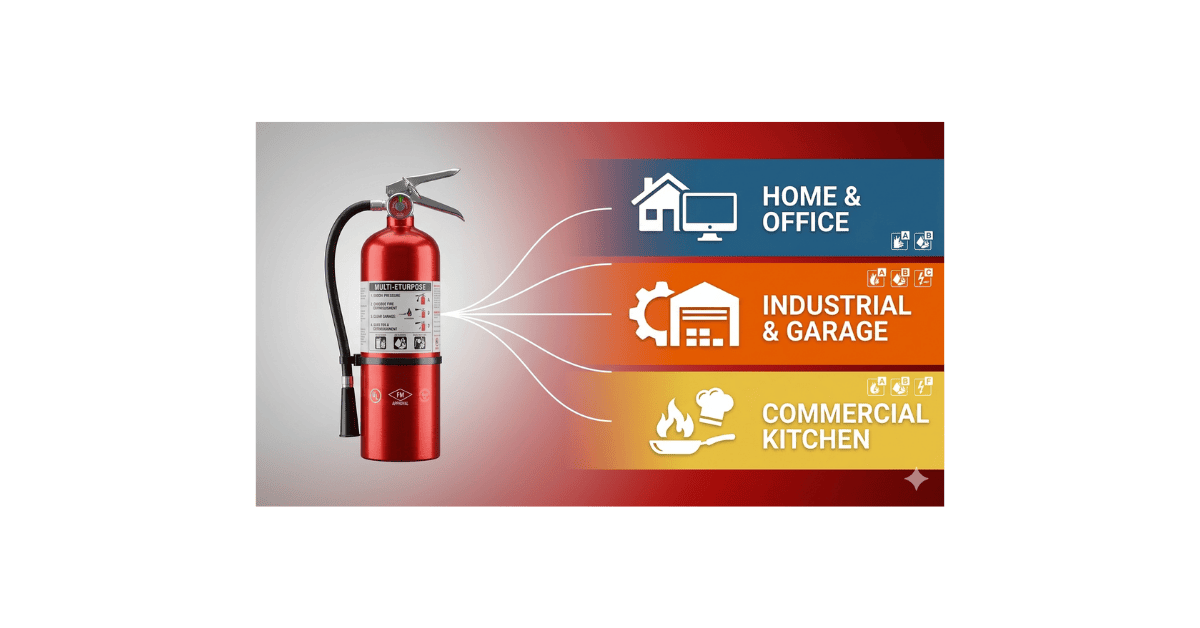
Mistake 2: Poorly Maintained Fire Extinguishers
Fire extinguishers are mandatory in all commercial buildings, yet many are:
- Expired
- Discharged
- Missing seals or pins
- Blocked by equipment
- Not mounted properly
Why This Is Dangerous
A small fire can be controlled in seconds—but only if the extinguisher works.
How to Avoid This
- Service extinguishers yearly.
- Inspect pressure and pin seals monthly.
- Mount extinguishers at 1m height and ensure visibility.
- Train staff on the PASS method:
Pull – Aim – Squeeze – Sweep
Mistake 3: Overloaded Electrical Circuits
Electrical faults are one of the top causes of commercial fires.
Common Issues
- Multiple extension cords
- Cheap power strips
- Poor cable insulation
- Overloaded sockets
- Unauthorized electrical modifications
Why This Is Dangerous
Overheating, sparks, and short circuits can lead to rapid fire ignition.
How to Avoid This
- Hire licensed electricians only.
- Avoid daisy-chaining multiple extension cords.
- Conduct annual electrical audits.
- Replace damaged cables immediately.
Mistake 4: Faulty or Insufficient Smoke Detectors
Many buildings have smoke detectors—but not working ones.
Common Problems
- Dead batteries
- Dirty sensors
- Incorrect placement
- Expired sensors over 10 years old
Why This Is Dangerous
Early fire detection saves lives. Without functional detectors, occupants lose critical minutes to escape.
How to Avoid This
- Test alarms monthly.
- Replace batteries every 6 months.
- Install detectors in hallways, rooms, storage areas, and stairwells.
- Replace outdated detectors every 10 years.
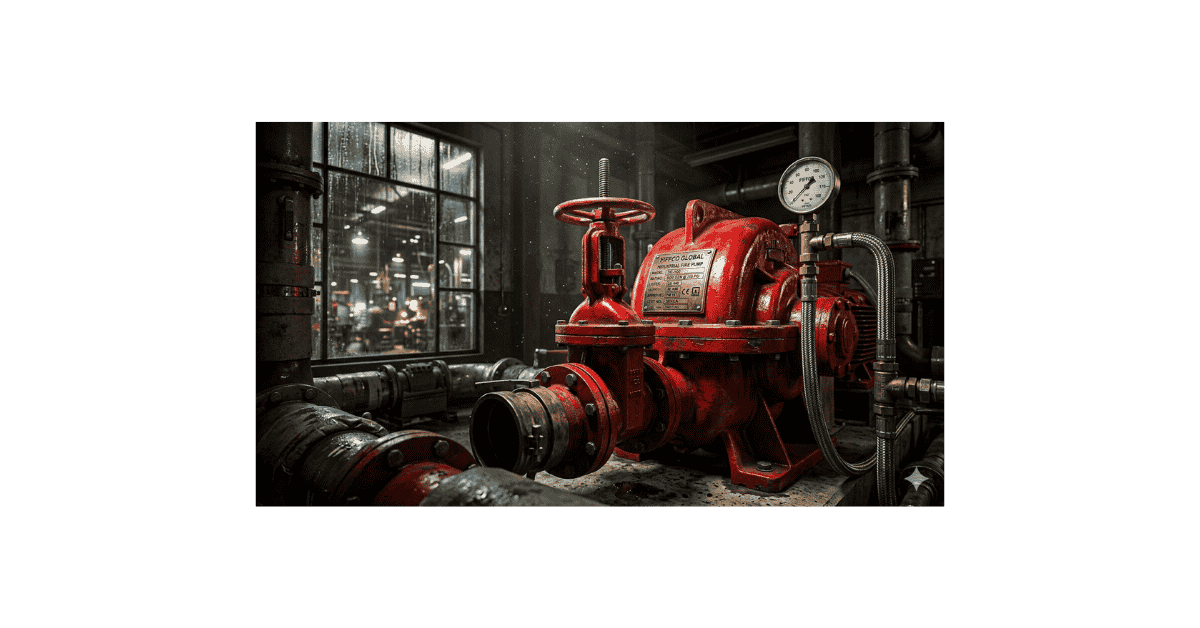
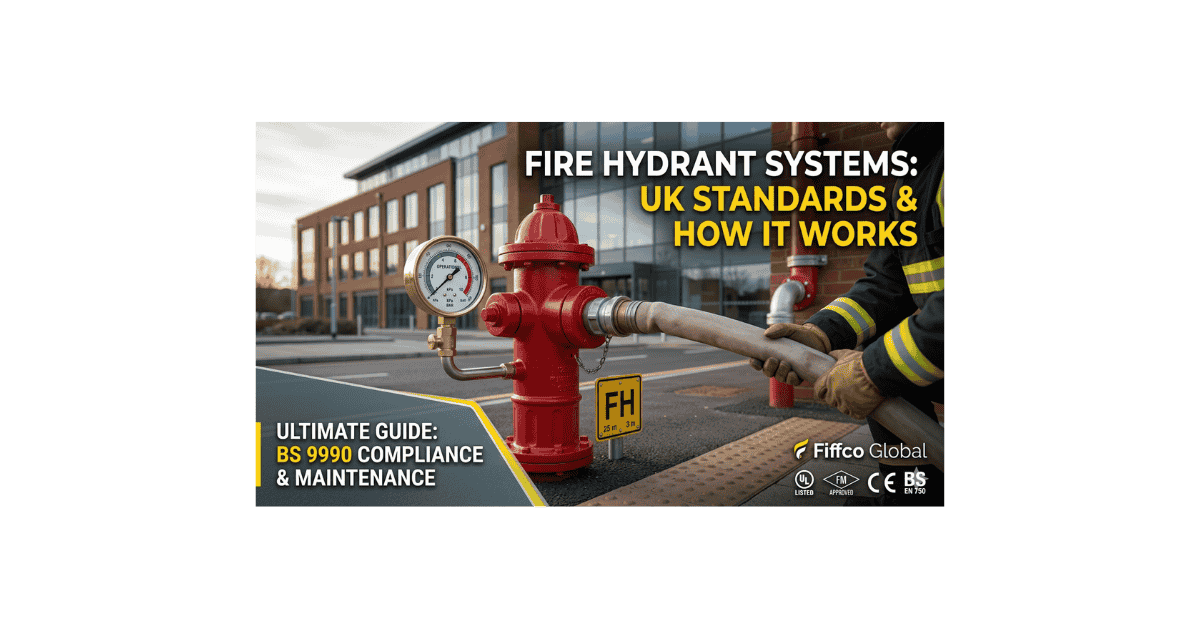
Mistake 5: Neglected Fire Hydrant & Hose Reel Systems
A hydrant system can save a building—if it works.
Common Issues
- No pressure in hydrant lines
- Rusted hose reels
- Missing nozzles
- Leaking landing valves
- Poorly coiled fire hoses
Why This Is Dangerous
Firefighters rely on your building’s hydrant system. A faulty hydrant delays control efforts.
How to Avoid This
- Conduct annual pressure testing.
- Replace rusted cabinet components.
- Lubricate valves regularly.
- Store hoses properly to avoid kinks.
Mistake 6: Improper Storage of Flammable Materials
Commercial buildings often store:
- Cleaning chemicals
- Paints
- Solvents
- Aerosols
- Lubricants
These materials ignite easily.
Common Issues
- Storing flammables near heat sources
- No fire-rated flammable cabinets
- Improper labeling
- Poor ventilation
How to Avoid This
- Store chemicals in fire-rated cabinets.
- Follow MSDS guidelines.
- Maintain safe distances from heat-producing equipment.
- Ensure the room is ventilated.
Mistake 7: Untrained Staff & Lack of Fire Drills
Fire safety equipment is useless if no one knows how to use it.
Why This Happens
- No staff training
- No fire marshals or wardens
- No evacuation plans
- Infrequent drills
How to Avoid This
- Conduct fire drills twice a year.
- Train staff in evacuation procedures.
- Assign fire marshals for each floor.
- Teach extinguisher operation using hands-on sessions.
Mistake 8: Poorly Installed or Non-Functional Fire Alarm Systems
Fire alarms are the heart of any commercial fire safety system.
Common Problems
- Delayed signal transmission
- Damaged alarm panels
- Incorrect zone programming
- Faulty smoke detectors not communicating with the panel
How to Avoid This
- Install alarms through certified technicians.
- Test panels quarterly.
- Ensure all detectors are linked to the main control panel.
- Replace faulty systems immediately.
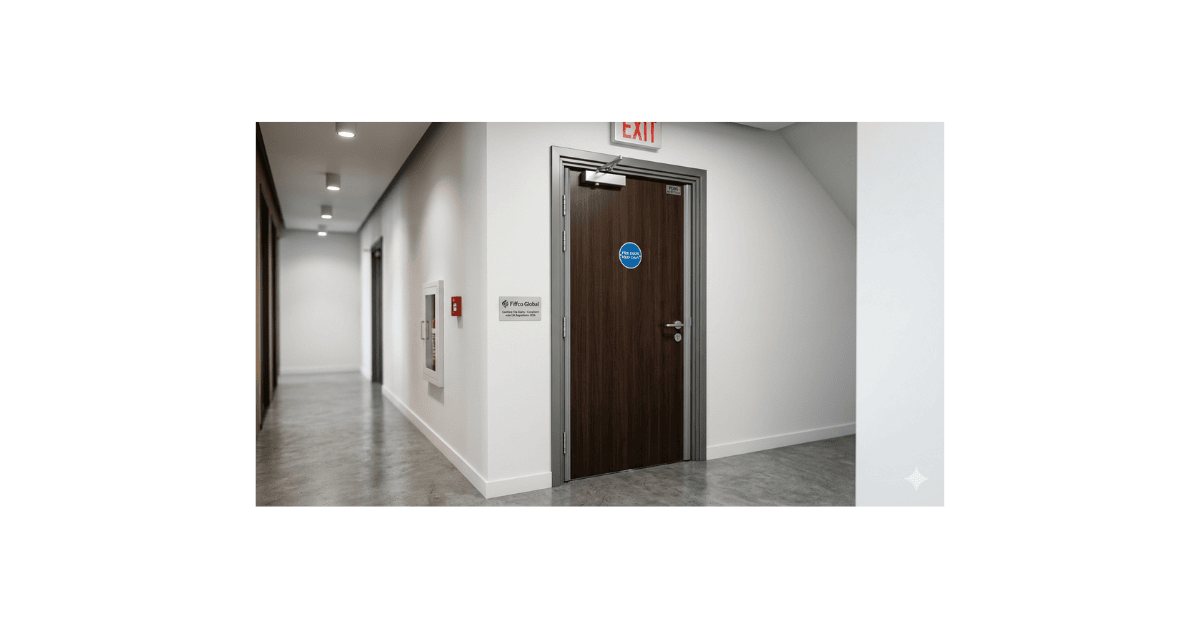
Mistake 9: Damaged or Propped-Open Fire Doors
Fire doors must always remain closed—yet many buildings wedge them open.
Why This Is Dangerous
Fire doors prevent fire and smoke from spreading rapidly. When propped open, they fail entirely.
How to Avoid This
- Never use wedges or stoppers.
- Install automatic door closers.
- Replace damaged seals and hinges.
- Inspect fire doors monthly.
Mistake 10: Missing Fire Safety Documentation & Compliance Records
Many property managers overlook documentation, including:
- Evacuation plans
- Equipment service logs
- Annual inspection certificates
- Fire drill reports
- Maintenance schedules
Why This Is Dangerous
Documentation is required for certifications, insurance, and legal protection.
How to Avoid This
- Keep digital & physical copies of fire safety documents.
- Update plans yearly.
- Display evacuation routes throughout the building.
Common Causes Behind Fire Safety Failures
Fire safety mistakes usually result from:
1. Lack of Awareness
People underestimate fire risks.
2. Poor Maintenance Culture
Equipment is installed but not serviced.
3. Cost-Cutting
Cheap equipment and untrained staff lead to failures.
4. No Professional Oversight
Buildings without inspections face higher risks.
5. Rapid Expansion or Renovations
Changes in layout often violate fire codes.
How to Conduct Fire Safety Inspections (Step-by-Step)
A proper inspection checklist includes:
Step 1: Check All Exits
- Clear?
- Unlocked?
- Signage visible?
Step 2: Inspect Fire Extinguishers
- Pressure?
- Expiry?
- Seals?
Step 3: Test Fire Alarms
- Panel functional?
- Detectors responding?
Step 4: Check Fire Hydrant System
- Pressure testing
- Hose condition
- Valve lubrication
Step 5: Verify Documentation
- Evacuation plans
- Maintenance logs
- Training records
Expert Tips to Strengthen Commercial Fire Safety
- Use photo-luminescent exit signs for nighttime visibility.
- Install CCTV in fire exit areas to prevent misuse.
- Introduce “Fire Safety Week” for staff training.
- Place QR codes on fire equipment linking to manuals.
- Conduct third-party fire safety audits yearly.
Real-World Case Study: Avoidable Fire Safety Failures
In 2023, a commercial complex experienced a small electrical fire that escalated quickly because of:
- A blocked exit
- A non-functional fire extinguisher
- Staff panicking with no training
What could have been controlled in 20 seconds took 25 minutes, causing heavy property damage.
Root Causes Identified:
- No maintenance
- No training
- Poor layout planning
This case highlights why fire safety mistakes must be taken seriously.
Conclusion & Key Takeaways
Fire safety mistakes are preventable—yet extremely common. To build a safer commercial environment:
- Maintain equipment regularly
- Keep exits clear
- Train staff twice a year
- Store flammable materials correctly
- Test alarms, hydrants, and extinguishers
- Keep documentation updated
A safe building isn’t just compliant—it’s responsible, protected, and ready for emergencies.
For fire safety equipment, installation, or expert inspection services, visit:
🔗 Fiffco Global — https://fiffco.co.uk/
About the Author (Fiffco Global)
This article is written by a Senior Fire Safety Engineer at Fiffco Global, a leading provider of fire protection systems, MEP solutions, and firefighting equipment across the UK and globally. With years of experience in commercial fire risk assessments, hydrant system installations, alarm setups, and safety audits, we ensure content backed by real expertise and industry knowledge.
 Book a Consultation: https://fiffco.co.uk/
 Email: info@fiffco.co.uk
Your safety deserves nothing less.
Explore more fire safety resources at Fiffco Global
Need help with fire door audits? Contact our team
Subscribe to our newsletter for monthly safety tips