




Published: October 31, 2025
Author: Fiffco Global Fire Safety Team
Website: Fiffco Global
📑 Table of Contents
- Introduction
- What Is a Fire Rated Door?
- Why Testing Matters
- Key Standards for Fire Door Testing
- Methods to Test Fire Rated Doors
- Real-World Case Studies
- Common Issues Found During Inspections
- FAQs About Fire Door Testing
- Actionable Takeaways
- Conclusion & CTA
- Author Bio & Disclosures
Why Fire Door Testing Is Non-Negotiable
Imagine a fire breaking out in a commercial building. The difference between a safe evacuation and a tragic outcome often hinges on one thing: the integrity of fire rated doors. These doors are designed to resist fire, smoke, and heat—but only if they’re properly tested and maintained.
In this guide, we’ll walk you through how to test fire rated doors, what standards apply, and how to ensure your building meets compliance. Whether you’re a facility manager, safety officer, or contractor, this post will equip you with expert-level insights and actionable steps to safeguard lives and property.
What Is a Fire Rated Door?
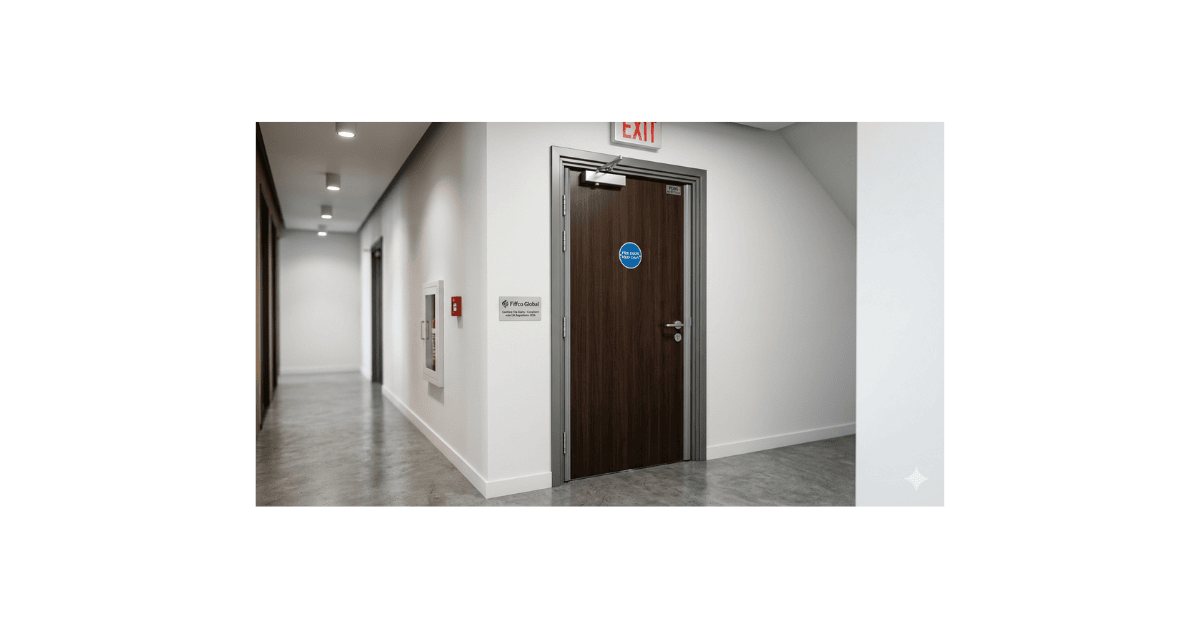
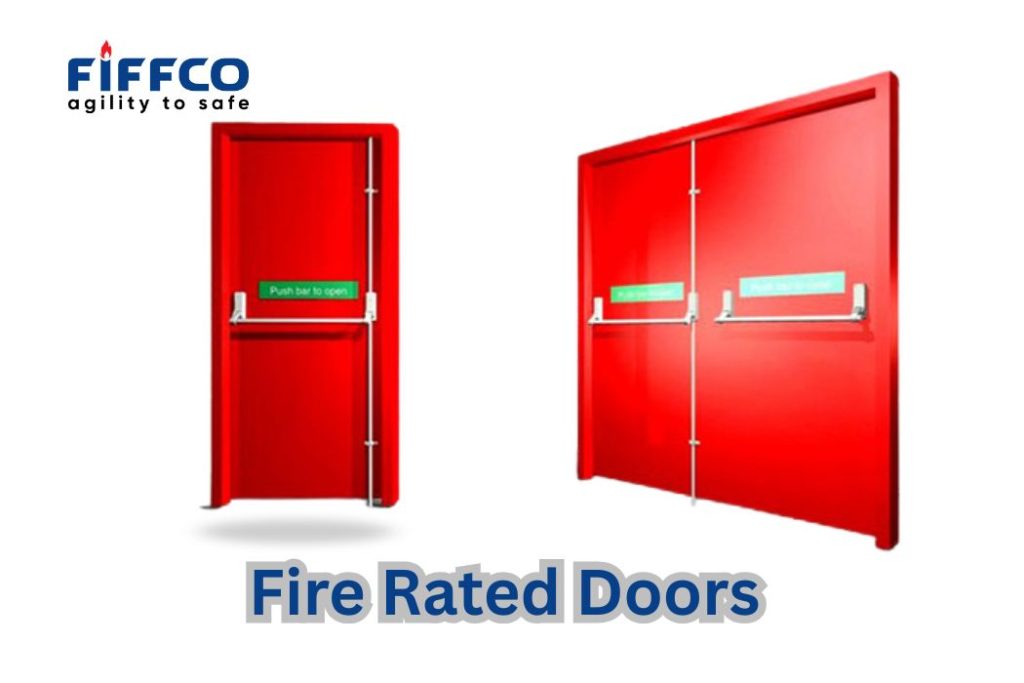
A fire rated door is a specially engineered barrier that can withstand fire for a specified duration—typically 30, 60, 90, or 120 minutes. These doors are part of a passive fire protection system and are crucial for:
- Compartmentalizing fire zones
- Preventing smoke spread
- Providing safe evacuation routes
They’re made from materials like steel, timber, or composite, and include intumescent seals, fire-rated glazing, and certified hardware.
Why Testing Matters
Unverified fire doors are a liability.
According to the Fire Door Inspection Scheme (FDIS), over 76% of fire doors fail inspection due to issues like poor installation or missing components RCI Doors. Testing ensures:
- Compliance with legal standards
- Performance in real fire conditions
- Insurance validity
- Occupant safety
Key Standards for Fire Door Testing
Fire door testing is governed by international and regional standards. The most recognized include:
| Standard | Region | Description |
| BS 476 Part 22 | UK | Fire resistance test for doorsets |
| EN 1634-1 | EU | Fire resistance and smoke control |
| NFPA 80 | USA | Installation and inspection guidelines |
| UL 10C | USA | Positive pressure fire tests |
Sources: Warringtonfire RCI Doors TRADESAFE
Methods to Test Fire-Rated Doors
1. Laboratory Fire Resistance Testing
Performed in accredited labs like Warringtonfire, this involves exposing the door to controlled fire conditions. Key metrics:
- Integrity: Does the door prevent flame penetration?
- Insulation: Does it limit heat transfer?
- Duration: How long does it resist fire?
2. On-Site Inspections (NFPA 80)
Annual inspections are required to verify:
- Door alignment and closure
- Intumescent seal condition
- Hardware functionality
- Label visibility
3. Third-Party Certification Verification
Check for certification labels from bodies like:
- BM TRADA
- UL
- Intertek
- Certifire
These confirm the door has passed standardized testing.
4. Smoke Leakage Tests
Some doors require EN 1634-3 testing to ensure smoke containment, especially in healthcare or high-rise buildings.
Real-World Case Studies
Case Study: Hospital Fire Door Audit
At a UK hospital, Fiffco Global conducted a full fire door audit. Out of 120 doors:
- 35% failed due to missing intumescent seals
- 20% had incorrect hinges
- 15% lacked certification labels
After remediation, the facility passed its fire safety inspection and improved evacuation protocols.
Common Issues Found During Inspections
- Painted-over certification labels
- Warped door leaves
- Improper frame installation
- Non-fire-rated hardware
- Blocked door paths
Regular inspections and maintenance are essential to catch these issues early RCI Doors TRADESAFE.
FAQs About Fire Door Testing
Q: How often should fire doors be inspected?
A: At least once a year, or more frequently in high-traffic areas.
Q: Can I test fire doors myself?
A: Basic visual checks are possible, but certified professionals should conduct full inspections.
Q: What does FD30 or FD60 mean?
A: It indicates the door’s fire resistance duration—30 or 60 minutes, respectively.
Q: Are fire doors required in residential buildings?
A: Yes, especially in multi-occupancy dwellings and buildings with shared corridors.
Actionable Takeaways
- Schedule annual inspections with certified fire door inspectors.
- Verify certification labels and ensure they’re visible.
- Train staff to recognize signs of wear or tampering.
- Document all inspections for compliance and insurance.
- Partner with accredited labs for new door testing.
Conclusion & CTA
Fire rated doors are silent guardians in your building’s fire safety strategy. But their effectiveness hinges on rigorous testing, regular inspections, and proper installation. By following the steps outlined above, you’ll not only meet compliance but also protect lives.
Explore more fire safety resources at Fiffco Global
Need help with fire door audits? Contact our team
Subscribe to our newsletter for monthly safety tips
👤 Author Bio
Fiffco Global Fire Safety Team
With over 20 years of experience in passive fire protection, our team includes certified fire door inspectors, engineers, and compliance specialists. We’ve audited over 10,000 fire doors across healthcare, education, and commercial sectors.
Date of Publication
October 31, 2025
Disclosures
This content is for educational purposes only. Fiffco Global does not endorse specific brands unless stated. No affiliate links are included.