






Published: October 26, 2025
Author: Fiffco Global Engineering Team
Website: Fiffco Global
Table of Contents
- Introduction: Why Jockey Pumps Matter
- What Is a Jockey Pump?
- The Purpose of Jockey Pumps in Fire Protection
- How Jockey Pumps Work
- Key Components of a Jockey Pump System
- Real-World Applications & Case Studies
- Maintenance Best Practices
- Common Issues & Troubleshooting
- FAQs About Jockey Pumps
- Final Takeaways & Recommendations
- About the Author
- References
1. Introduction: Why Jockey Pumps Matter
Imagine a fire protection system that fails to activate because of a minor pressure drop. That’s where jockey pumps come in. These small but mighty devices are the unsung heroes of fire safety infrastructure. In this guide, we’ll explore what jockey pumps are, how they function, and how to maintain them to ensure your fire protection system is always ready.
Whether you’re a facility manager, engineer, or safety officer, this article will give you expert insights, real-world examples, and actionable advice to help you understand and optimize jockey pump performance.
2. What Is a Jockey Pump?
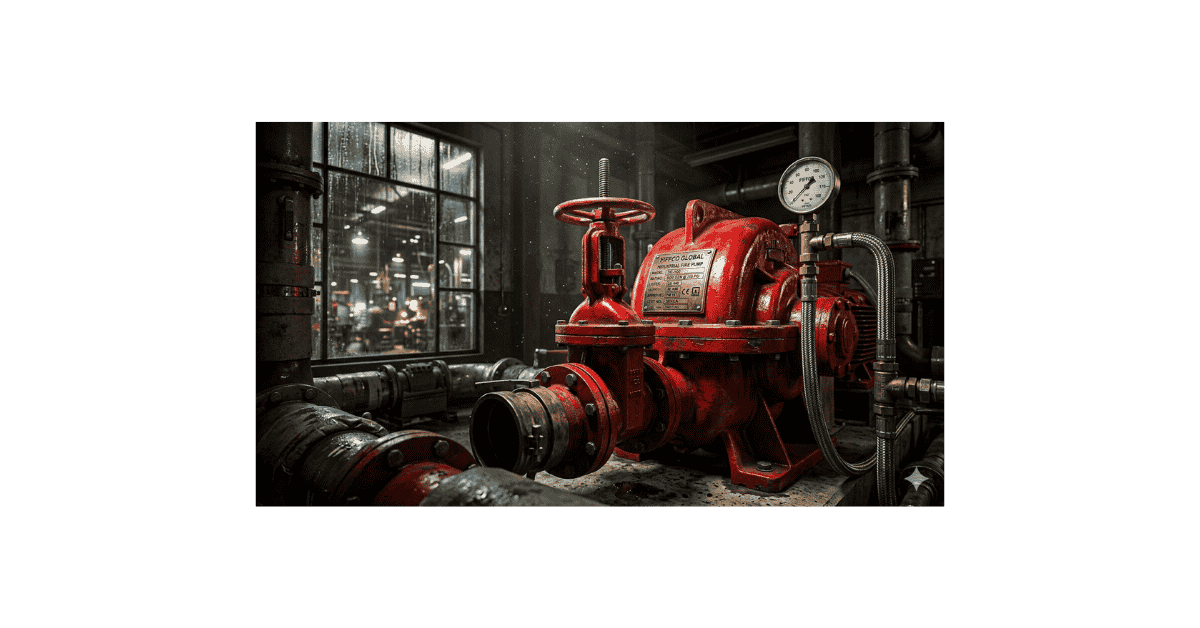
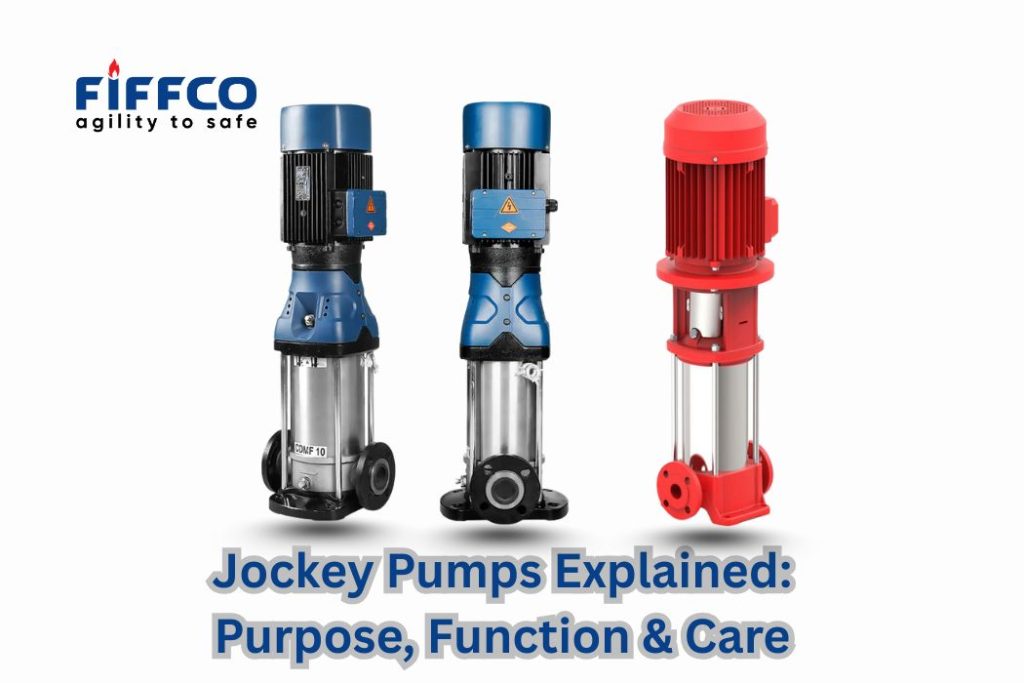
A jockey pump is a small, auxiliary pump used in fire protection systems to maintain pressure in the piping network. It operates independently of the main fire pump and is designed to handle minor pressure fluctuations caused by leaks, temperature changes, or system testing.
- Type: Typically electric, centrifugal, or multistage pumps
- Flow Rate: Low-flow, high-pressure
- Size: Compact, often installed near the main fire pump
3. The Purpose of Jockey Pumps in Fire Protection
Jockey pumps serve a critical preventive role:
- Maintain System Pressure: Keeps the fire system primed without triggering the main pump
- Prevent Frequent Cycling: Avoids unnecessary wear on the main fire pump
- Compensate for Minor Leaks: Handles small pressure drops due to valve seepage or pipe expansion
- Ensure Readiness: Keeps the system ready for immediate activation during emergencies
4. How Jockey Pumps Work
Jockey pumps are controlled by pressure switches. When system pressure drops below a set threshold, the jockey pump activates to restore it. If pressure continues to fall, the main fire pump kicks in.
Pressure Settings Example:
- System Pressure: 140 psi
- Jockey Pump ON: 135 psi
- Jockey Pump OFF: 140 psi
- Main Fire Pump ON: 125 psi
This tiered approach ensures efficient operation and system longevity.
5. Key Components of a Jockey Pump System
- Pump Unit: Electric motor-driven pump
- Pressure Switches: Control activation thresholds
- Controller Panel: Manages pump logic and alerts
- Check Valves: Prevent backflow
- Isolation Valves: Allow maintenance without system shutdown
6. Real-World Applications & Case Studies
At Fiffco Global, we’ve installed jockey pumps across industrial complexes, commercial buildings, and data centers. One notable case involved a logistics warehouse where frequent pressure drops triggered the main pump unnecessarily. After installing a properly sized jockey pump, maintenance costs dropped by 30%, and system uptime improved.
7. Maintenance Best Practices
Routine maintenance ensures reliability and compliance with fire safety standards.
Monthly Checks:
- Inspect pump casing and motor
- Verify pressure switch calibration
- Test pump activation manually
Quarterly Tasks:
- Clean strainers and filters
- Check electrical connections
- Lubricate moving parts
Annual Service:
- Full system pressure test
- Replace worn seals and gaskets
- Review controller settings
Tip: Always log maintenance activities for compliance and diagnostics.
8. Common Issues & Troubleshooting
Issue: Pump runs continuously
- Cause: Faulty pressure switch or leak
- Fix: Inspect switch and system for leaks
Issue: Pump fails to start
- Cause: Electrical fault or motor failure
- Fix: Check power supply and motor integrity
Issue: Noisy operation
- Cause: Air in system or worn bearings
- Fix: Bleed system and replace bearings
9. FAQs About Jockey Pumps
Q: Can a jockey pump replace a fire pump? A: No. It only maintains pressure and cannot meet the flow demands during a fire.
Q: How do I size a jockey pump? A: It should handle minor leaks and pressure drops—typically 1–3% of the main pump’s flow rate.
Q: Are jockey pumps mandatory? A: In many jurisdictions, yes. They’re required by NFPA 20 and other fire codes.
10. Final Takeaways & Recommendations
- Jockey pumps are essential for maintaining fire system pressure and preventing unnecessary wear.
- Proper sizing and maintenance are key to performance and compliance.
- Routine checks can prevent costly failures and ensure readiness.
Next Steps:
- Audit your current fire protection system
- Schedule a maintenance check
- Explore Fiffco Global’s fire safety solutions at fiffco.co.uk
11. About the Author
Fiffco Global Engineering Team With over 20 years of experience in industrial fire protection systems, our engineers specialize in pump design, installation, and compliance. We’ve worked with clients across Europe and Asia to deliver safe, efficient, and code-compliant solutions.
12. References
PEFIPRESA: Importance of Jockey Pumps
Better Fire Pump: Jockey Pump Overview
PumpsCart: Properties of Jockey Pumps