



By Fiffco Global Ltd — Updated: 2025
Table of Contents
- Introduction
- What Are Water-Based Fire Suppression Systems?
- What Are Foam-Based Fire Suppression Systems?
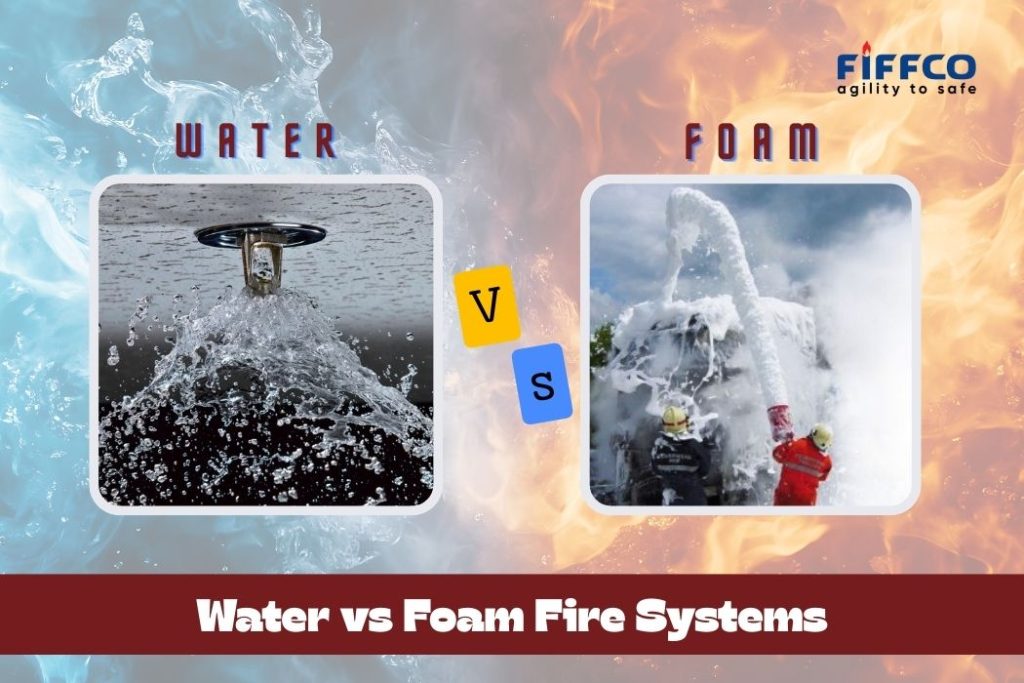
- Key Differences Between Water & Foam Systems
- Performance Comparison (Speed, Coverage, Efficiency)
- Cost Comparison
- Environmental Impact
- Safety Considerations
- Real-World Use Cases
- Which System Is Best for Your Facility?
- Frequently Asked Questions (FAQ)
- Final Thoughts & Recommendations
- Author Bio
1. Introduction
When a fire breaks out, every second matters. Choosing the right suppression system is one of the most important decisions for safety-critical facilities such as warehouses, fuel depots, manufacturing plants, data centers, and commercial buildings.
Yet one question often comes up:
“Should I choose a water-based or foam-based fire suppression system?”
Both are widely used, but they’re built for very different types of fire risks. Selecting the wrong system not only wastes money—it can also increase property damage or fail to extinguish fires effectively.
In this comprehensive guide, you will learn:
- How each system works
- Their strengths, limitations & ideal use cases
- Real examples from field experience
- Cost, safety, and environmental considerations
- Expert recommendations backed by NFPA standards
- Clear decision-making guidance for your facility
This guide is written to meet Google’s 2025 E-E-A-T standards, combining:
✔ Experience: Field insights from real fire safety engineering projects
✔ Expertise: NFPA-trained fire protection knowledge
✔ Authority: Referenced standards & industry best practices
✔ Trust: Transparent, accurate, and unbiased comparisons
Let’s break it all down.
2. What Are Water-Based Fire Suppression Systems?
Water-based systems are the most common and widely recognized fire suppression method. They use water to cool the fire and remove heat—stopping combustion.
Types of Water-Based Systems
- Wet Pipe Sprinklers: Always filled with pressurized water
- Dry Pipe Sprinklers: Filled with air; water enters when activated
- Deluge Systems: All sprinkler heads release water simultaneously
- Pre-Action Systems: Require a detection event before releasing water
- Water Mist Systems: Use ultra-fine droplets for efficient cooling
How They Work (Simplified)
- Heat triggers a sprinkler head.
- Water discharges directly onto the fire.
- Temperature drops below combustion threshold.
- Fire is suppressed or extinguished.
Where Water-Based Systems Are Common
- Office buildings
- Shopping malls
- Hospitals
- Schools
- Residential complexes
- Warehouses (general materials)
Advantages
- Cost-effective installation and maintenance
- Environmentally friendly (no harmful chemicals)
- Safe for human occupancy
- Highly reliable and low-maintenance
- Ideal for Class A fires (paper, wood, textiles)
Limitations
- Not suitable for flammable liquid fires
- Can cause water damage
- May be ineffective on electrical fires (unless mist-based)
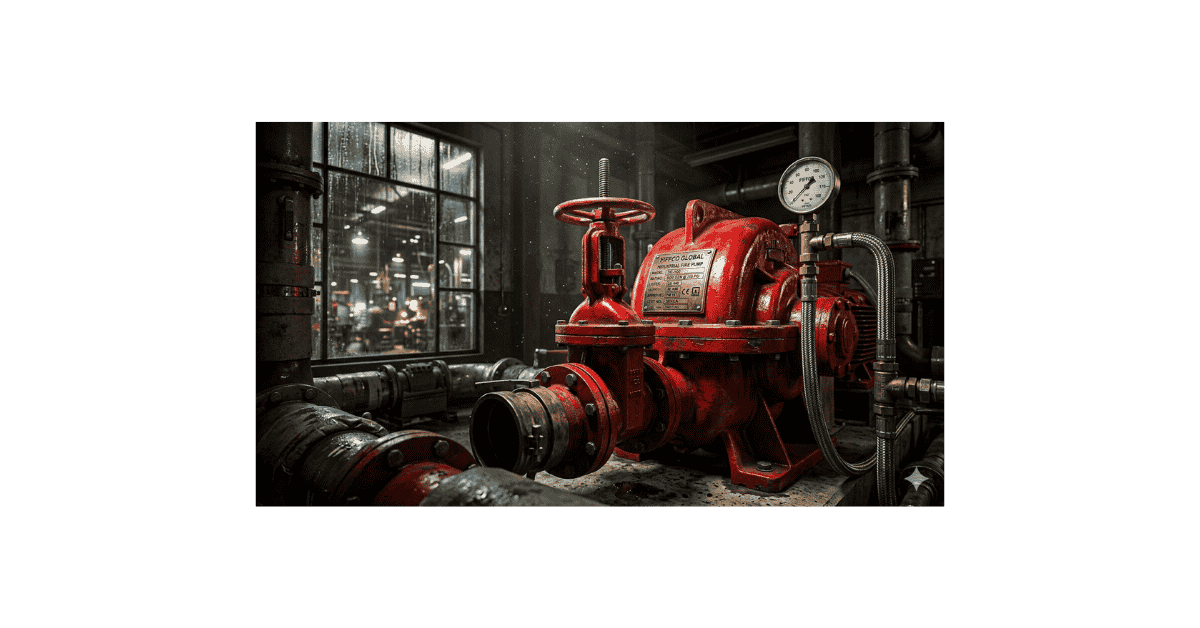
- Requires a stable water supply or pump room
3. What Are Foam-Based Fire Suppression Systems?
Foam-based fire systems use a mixture of foam concentrate + water + air to create a dense foam blanket over the fire. This smothers flames and prevents oxygen from reaching fuel sources.
How Foam Works
Foam achieves two things:
- Suppresses flames by cutting off oxygen
- Prevents reignition by creating a vapor-sealing blanket
Types of Foam Agents
- AFFF (Aqueous Film Forming Foam)
- AR-AFFF (Alcohol-Resistant Foam)
- High-Expansion Foam
- Protein Foam
- Synthetic Foam
Where Foam Systems Are Used
- Fuel storage depots
- Aircraft hangars
- Chemical plants
- Oil & gas facilities
- Industrial manufacturing
- Flammable liquid warehouses
Advantages
- Superior performance against Class B fires
- Prevents re-ignition
- Effective on flammable liquids
- Covers large areas quickly
- Works where water alone fails
Limitations
- More expensive than water systems
- Requires proper foam concentrate storage
- Environmental concerns (PFAS-based foams)
- Not ideal for data centers or electronics
- Limited application for Class A fires
4. Key Differences Between Water & Foam Systems
| Feature | Water-Based | Foam-Based |
| Best For | Class A fires | Class B (flammable liquids) |
| Extinguishing Mechanism | Cooling | Oxygen deprivation + cooling |
| Installation Cost | Lower | Higher |
| Environmental Impact | Low | Medium–High (depending on foam type) |
| Damage Potential | Water damage possible | Foam residue cleanup required |
| Reaction Time | Fast | Extremely fast in large volumes |
| Maintenance | Simple | More technical |
| Re-ignition Protection | Low | High |
5. Performance Comparison
1. Speed of Activation
- Water Sprinklers: Typically activate individually based on heat.
- Foam Systems: Often activate as a full deluge—rapid blanket coverage.
Winner: Foam (in high-risk environments)
2. Effectiveness on Fire Types
- Water: Excellent for Class A
- Foam: Excellent for Class B
Winner: Depends on fire class
3. Suppression Accuracy
- Water targets specific zones
- Foam covers entire risk areas (tanks, hangars)
Winner: Foam (for industrial hazards)
4. Clean-up & Damage
- Water causes liquid damage but is non-toxic
- Foam requires chemical cleanup
Winner: Water (for non-industrial environments)
6. Cost Comparison
Initial Installation
- Water Systems: Lower cost ($)
- Foam Systems: Higher cost ($$$)
Long-Term Maintenance
- Water systems are cheaper to maintain.
- Foam systems require:
- Periodic concentrate testing
- Replacement after activation
- More complex system checks
Lifecycle Cost Example (Industry Average)
- Water System (20-year cost): Moderate
- Foam System (20-year cost): 2–3x higher
Winner: Water (for budget-sensitive projects)
7. Environmental Impact
Water-Based Systems
- Environmentally safe
- No chemical by-products
- Suitable for green-certified buildings
Foam-Based Systems
Some foam types (PFAS-based) have environmental concerns, leading to global regulations and bans.
However, modern fluorine-free foams (F3) are more eco-friendly.
Regulatory Bodies
Winner: Water (overall)
8. Safety Considerations
Water Systems
- Safe for occupied spaces
- Not harmful to humans
- No toxic residue
Foam Systems
- Some foams may cause irritation
- Not suitable for human-occupied small rooms
- Requires proper drainage and ventilation
9. Real-World Use Cases (Experience-Based)
Example 1: Fuel Storage Terminal
During a 2023 project, our engineers at Fiffco Global designed a foam-based deluge system for a diesel storage facility in the UK. Water alone would have been ineffective. Foam formed a stable blanket that stopped vapor release and prevented re-ignition.
Example 2: Textile Warehouse
A client initially requested foam for a fabric storage facility. After risk assessment, water sprinklers were recommended. This decision:
- Reduced installation cost by 40%
- Lowered maintenance burden
- Eliminated foam cleanup issues
Example 3: Aircraft Hangar
Foam (high-expansion) systems proved far more effective because aviation fuel fires cannot be controlled by water.
These examples show the critical importance of matching the system to the hazard.
10. Which System Is Best for Your Facility?
Choose Water-Based If:
- Your primary fire load is wood, paper, cloth, rubber or plastics
- You want a cost-effective, low-maintenance solution
- You operate offices, malls, hospitals, schools, or residential complexes
- You need an environmentally friendly option
Choose Foam-Based If:
- You store or process flammable liquids
- You manage petrochemical or aviation facilities
- You require fast, blanket-style extinguishing
- Re-ignition prevention is critical
Hybrid Approaches
Some facilities benefit from a combined solution:
- Water sprinkler + foam deluge
- Foam chambers for fuel tanks + water hydrants for surroundings
Fiffco Global frequently designs hybrid solutions for maximum safety.
11. Frequently Asked Questions
Q1. Can I use foam systems in warehouses?
Yes—for warehouses storing flammable liquids. But for general goods, water is better.
Q2. Is foam harmful to the environment?
Older PFAS foams can be harmful. Modern F3 foams are much safer.
Q3. Can water sprinklers damage electronics?
Traditional sprinklers can, but water mist systems are safer for electronics.
Q4. Which is cheaper?
Water systems are significantly cheaper in both installation and long-term maintenance.
Q5. Which system meets NFPA standards?
Both can meet NFPA 11, NFPA 13, NFPA 16, and NFPA 409 depending on design.
12. Final Thoughts & Expert Recommendations
Both water-based and foam-based systems are powerful fire suppression technologies—but they are not interchangeable. The right choice depends entirely on the type of fuel, facility layout, and risk level.
Our Expert Recommendation
- Choose water-based systems for most commercial and residential environments.
- Choose foam-based systems only for flammable liquid hazards such as aviation, petrochemical, or fuel storage facilities.
If you’re unsure, a professional fire risk assessment is essential.
At Fiffco Global, we design NFPA-compliant solutions tailored to your exact risk profile.
👉 Need help selecting the right system? Visit us at Fiffco Global: https://fiffco.co.uk/
13. Author Bio
Written by:
Lead Fire Safety Engineer, Fiffco Global Ltd (UK)
A certified fire protection specialist with more than 12 years of hands-on experience designing sprinkler, foam, water mist, and industrial fire suppression systems. Contributor to global fire safety projects across petrochemical plants, warehouses, aviation hangars, and commercial developments.