


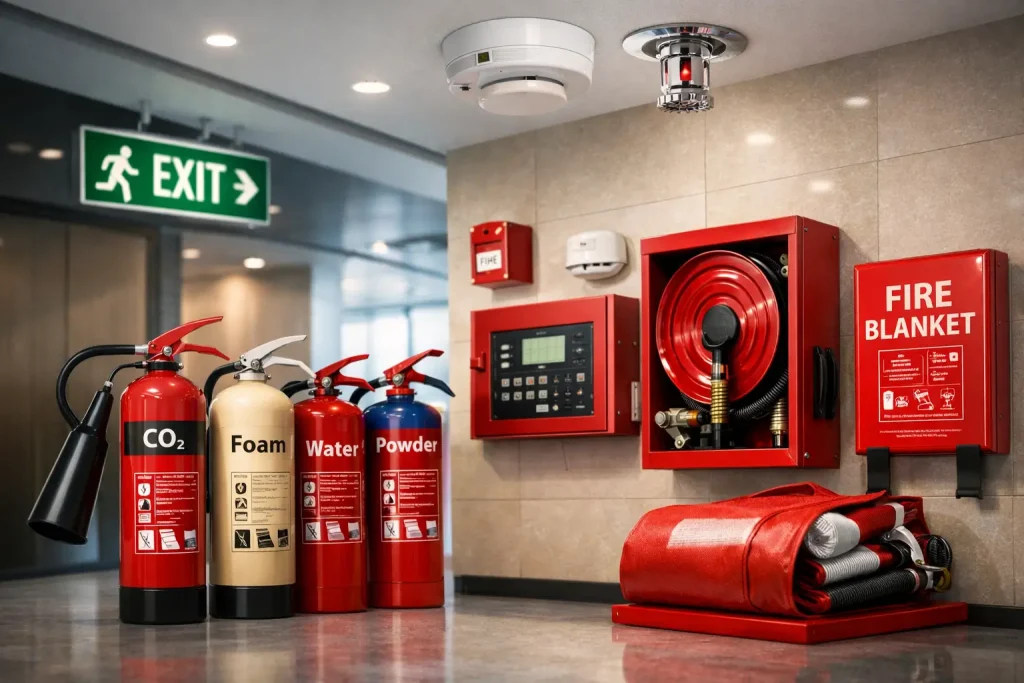
Fire safety is not optional—it is a legal, ethical, and operational necessity for every residential, commercial, and industrial building. Fires can spread within seconds, putting lives, property, and business continuity at risk. That is why installing the right fire safety equipment is one of the most critical decisions a building owner or facility manager can make.
In this in-depth guide, we’ll explore the Top 10 Fire Safety Equipment Every Building Must Have, explaining what each item is, how it works, where it’s required, and why it’s essential. This article is designed to help building owners, safety officers, architects, and compliance managers meet modern fire safety standards while protecting people and assets.
Whether you manage an office, hospital, warehouse, factory, or residential complex, this guide serves as a comprehensive fire safety checklist.
Why Fire Safety Equipment Is Mandatory in Modern Buildings
Before diving into the list, it’s important to understand why fire safety equipment is legally and practically essential.
Fire safety equipment helps to:
-
Detect fires early
-
Suppress flames before they spread
-
Enable safe evacuation
-
Protect firefighters during emergency response
-
Reduce environmental and financial damage
According to international fire safety regulations and guidance from agencies like the Environment Agency, buildings must take proactive measures to minimize fire-related risks and environmental hazards.
If you are planning or upgrading your fire safety infrastructure, professional guidance, such as fire safety systems industry insights, can help ensure compliance and efficiency.
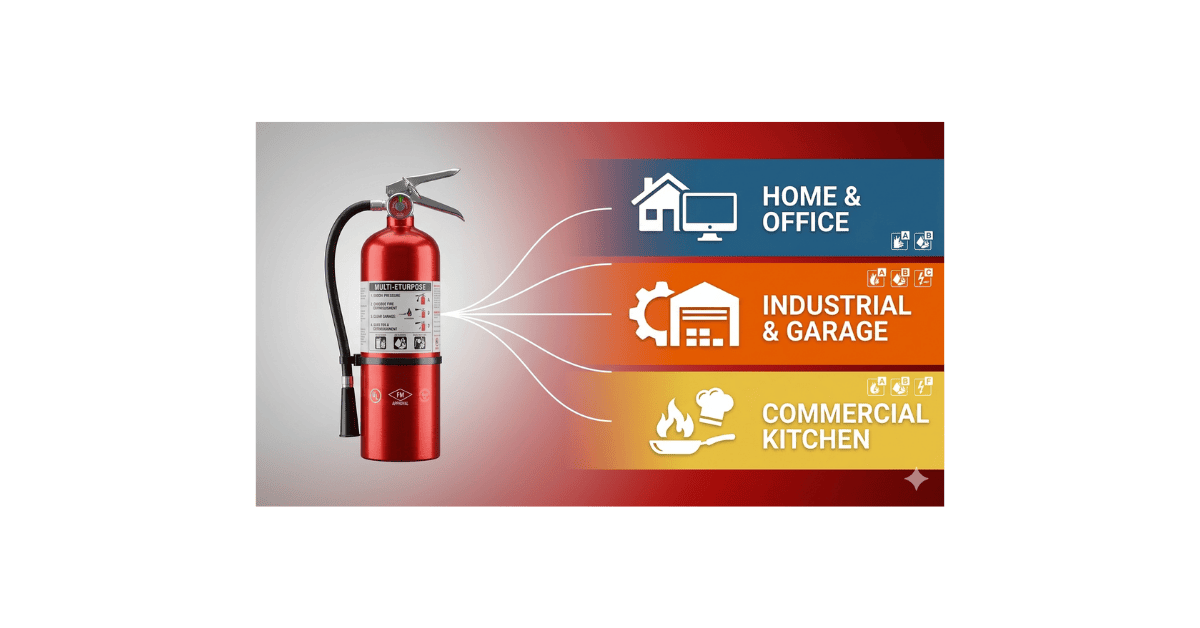
1. Fire Extinguishers
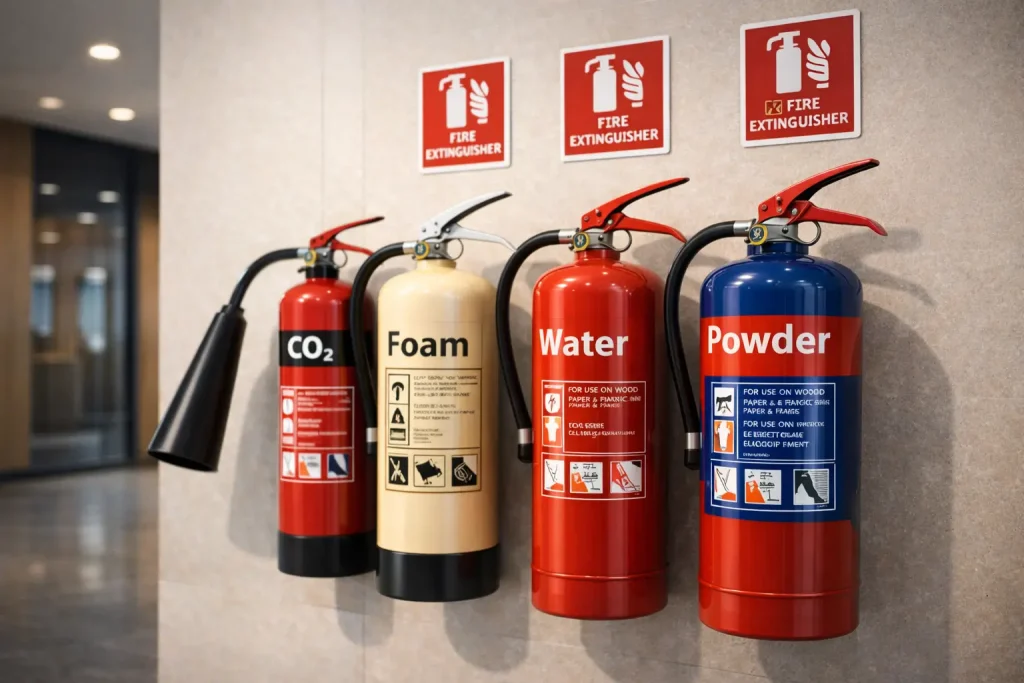
Fire extinguishers are the first line of defense against small and manageable fires. When used correctly, they can stop a fire before it becomes uncontrollable.
Common Types of Fire Extinguishers
-
Water extinguishers – For Class A fires (paper, wood, textiles)
-
Foam extinguishers – Effective for Class A & B fires
-
CO₂ extinguishers – Ideal for electrical fires
-
Dry powder extinguishers – Multi-purpose fire control
-
Wet chemical extinguishers – Designed for kitchen fires
Best Practices
-
Install extinguishers near exits
-
Use clear signage
-
Train staff on proper usage
-
Conduct annual inspections
In commercial environments, selecting the right extinguishers is part of a broader fire-fighting equipment strategy for commercial buildings.
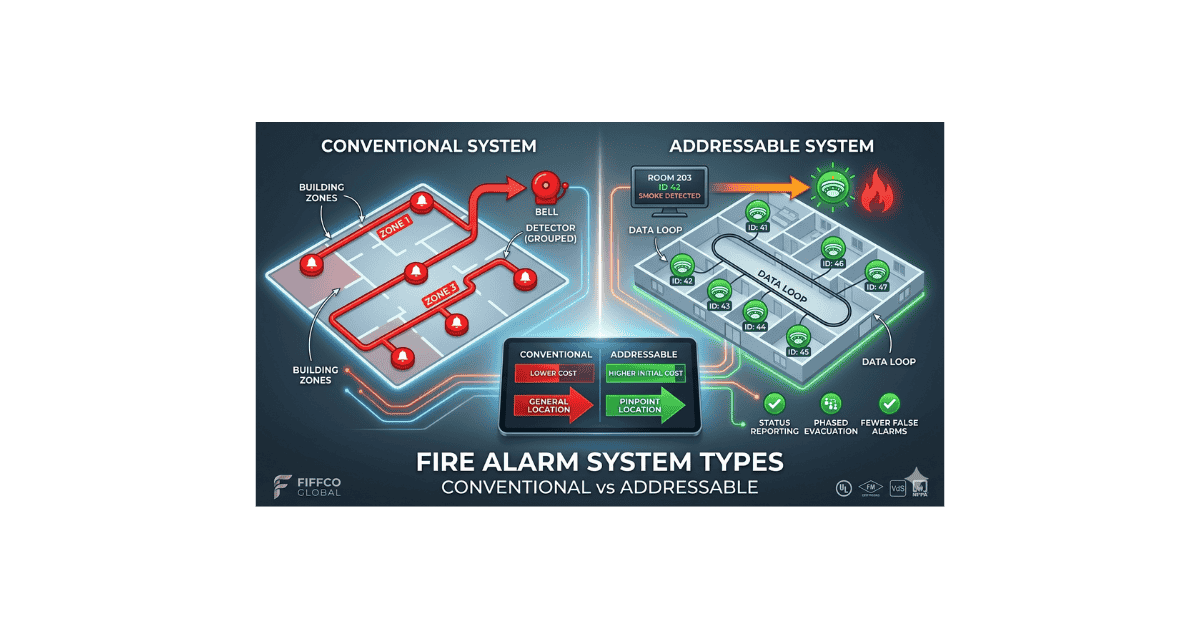
2. Fire Alarm Systems
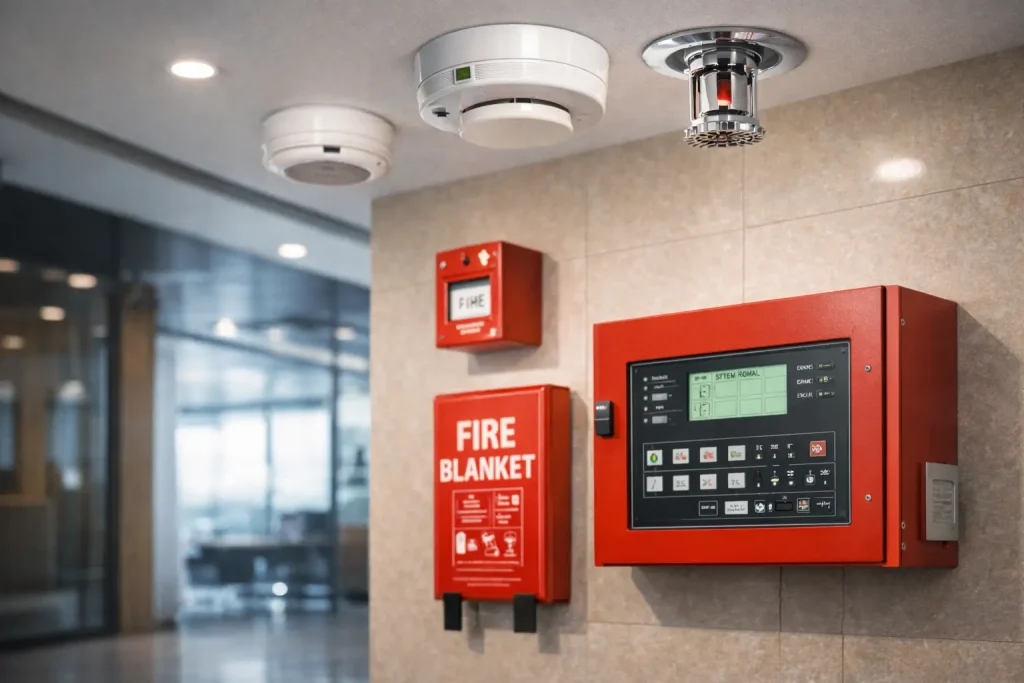
Fire alarm systems provide early detection and warning, allowing occupants to evacuate safely and quickly.
Key Components
-
Smoke detectors
-
Heat detectors
-
Manual call points
-
Control panels
-
Audible and visual alarms
Why They Matter
-
Reduce response time
-
Prevent panic
-
Enable coordinated evacuation
-
Support emergency services
Modern buildings often integrate alarms with sprinklers and suppression systems for enhanced safety.
3. Smoke Detectors
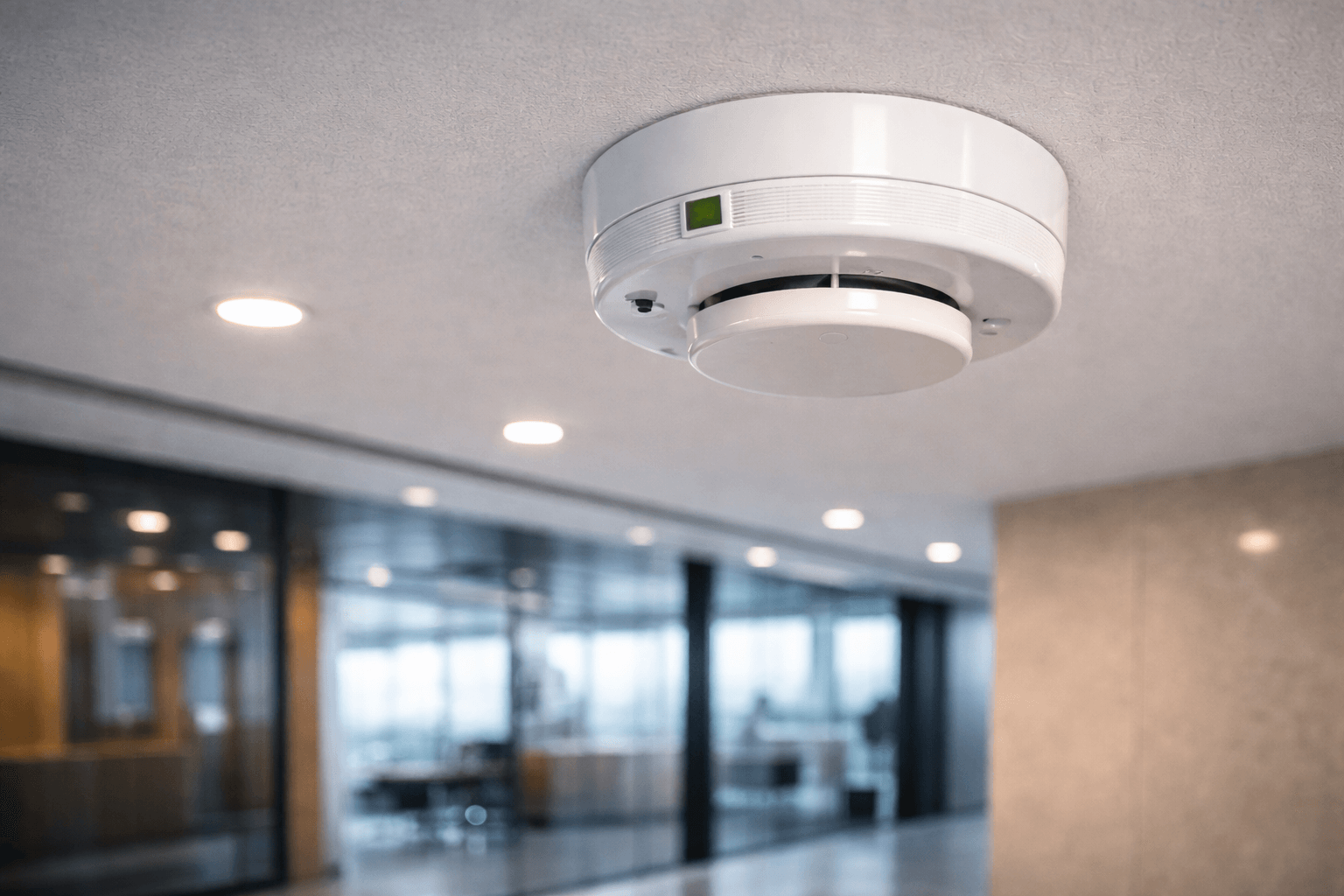
Smoke detectors are critical for early-stage fire detection, especially during nighttime or in low-visibility environments.
Types of Smoke Detectors
-
Ionization detectors – Fast-flaming fires
-
Photoelectric detectors – Smoldering fires
-
Dual-sensor detectors – Maximum coverage
Placement Tips
-
Install on ceilings or high walls
-
Place near bedrooms and corridors
-
Avoid kitchens to reduce false alarms
Smoke detectors save lives by providing early alerts before flames spread.
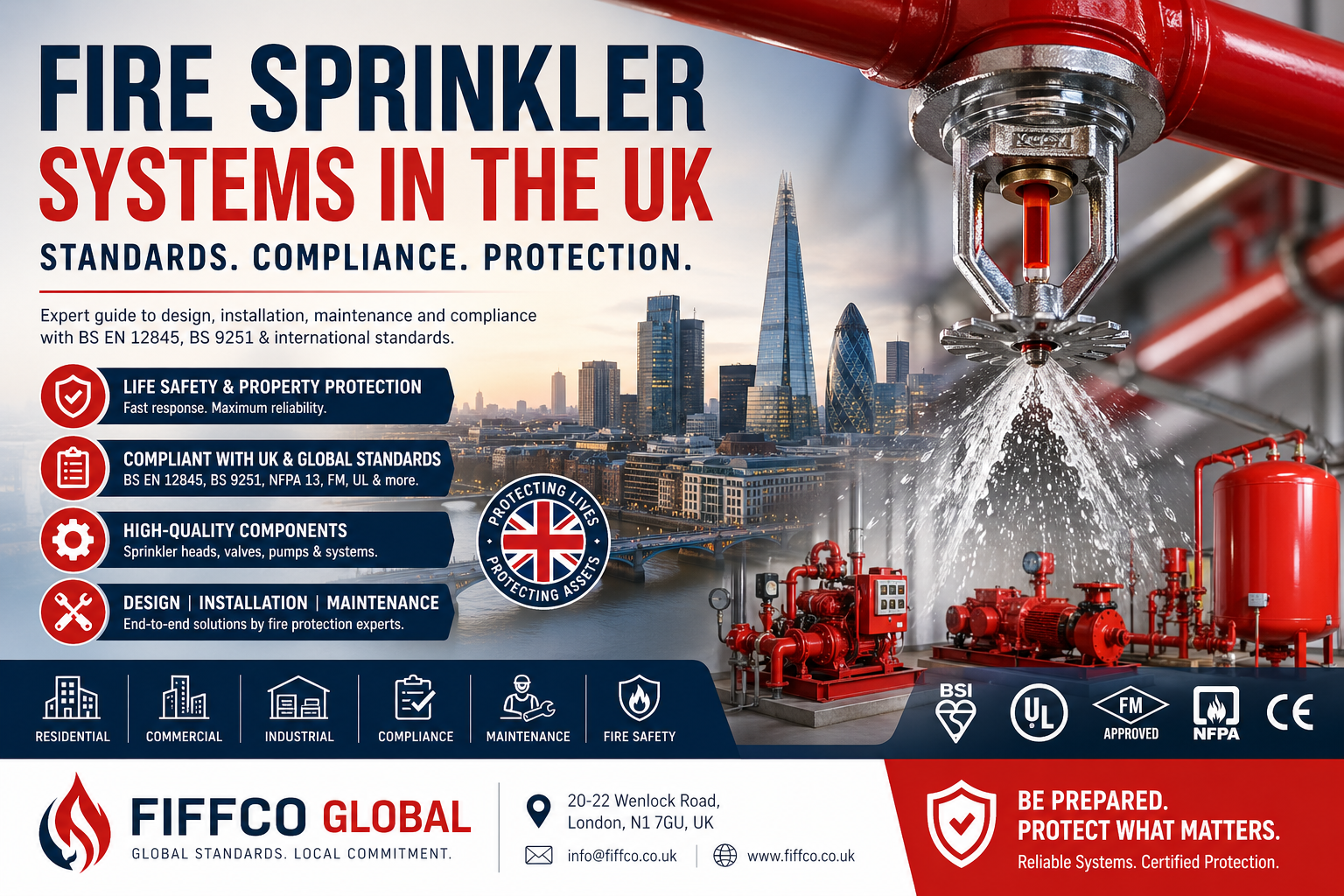
4. Fire Sprinkler Systems
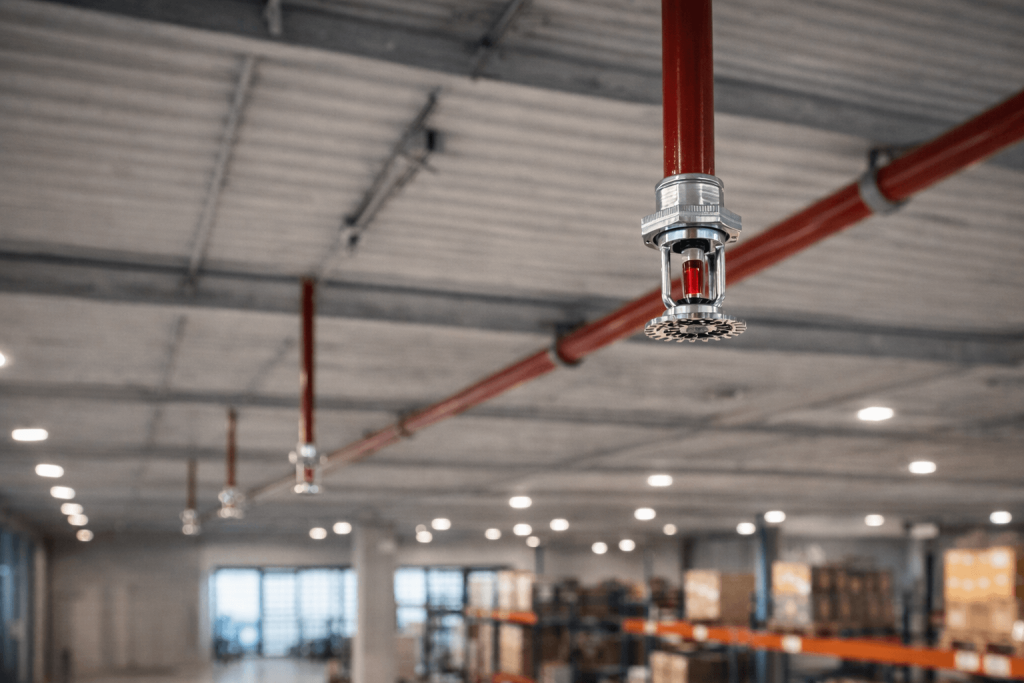
Fire sprinklers automatically suppress fires by releasing water or foam when heat reaches a certain threshold.
Benefits
-
Activate immediately
-
Control fire spread
-
Reduce structural damage
-
Lower insurance premiums
If you’re deciding between suppression systems, this full comparison guide explains which option works best for your building type.
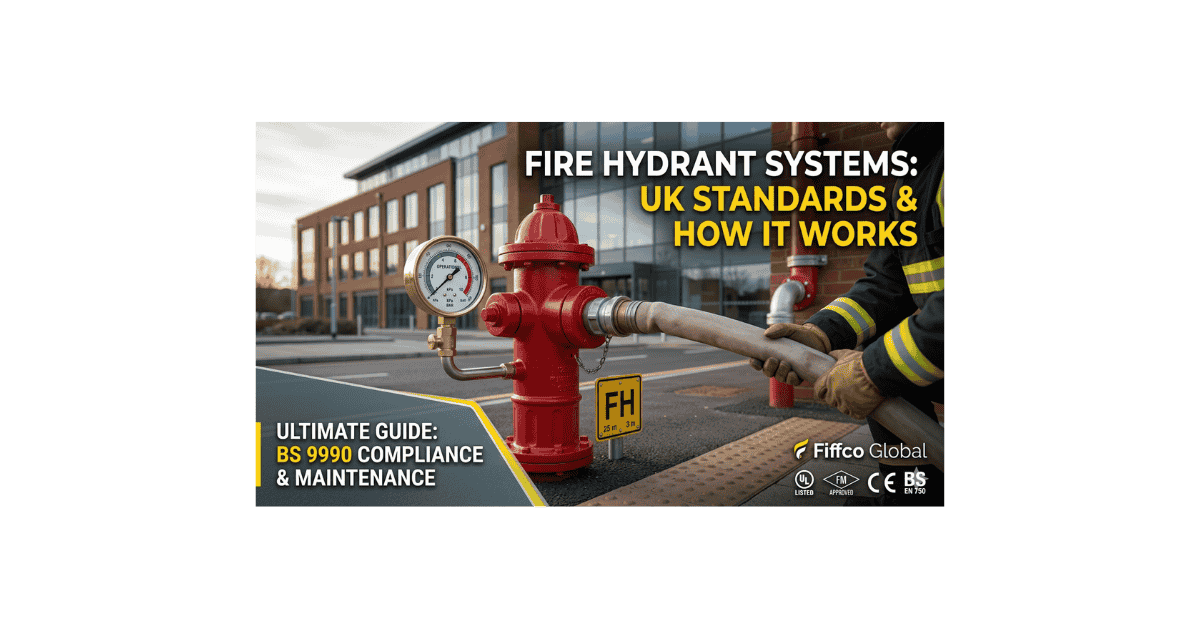
5. Fire Hose Reels and Hose Pipes
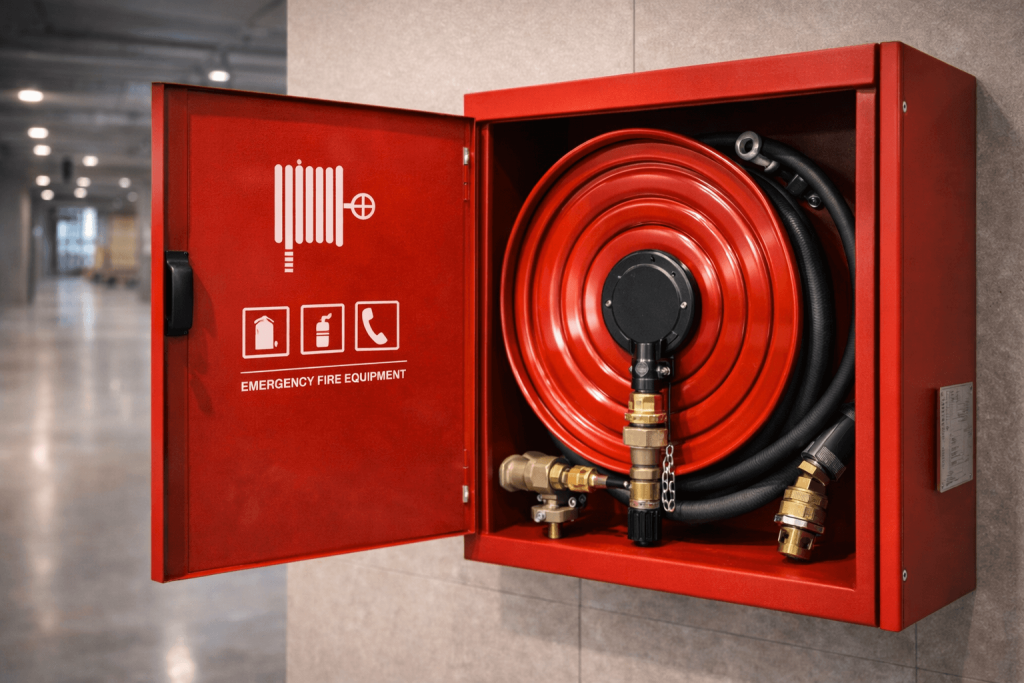
Fire hoses provide a continuous water supply for larger fires and trained responders.
Where Fire Hoses Are Used
-
Factories
-
Warehouses
-
Parking structures
-
High-rise buildings
Key Considerations
-
Correct hose material
-
Proper pressure rating
-
Regular testing and maintenance
For a deep technical breakdown, refer to this fire hose pipes, types, materials, and testing guide.
6. Emergency Exit Signs and Lighting
Emergency lighting ensures visibility during a power failure caused by fire.
Why It’s Essential
-
Prevents panic
-
Guides occupants to exits
-
Required by law in most buildings
Installation Tips
-
Place above exit doors
-
Illuminate corridors and stairwells
-
Use battery-backed systems
7. Fire Blankets
Fire blankets are ideal for small fires and personal safety, especially in kitchens and laboratories.
Common Uses
-
Smothering grease fires
-
Wrapping around a person
-
Preventing fire spread
They are simple, affordable, and highly effective when used correctly.
8. Fire Doors
Fire doors slow the spread of fire and smoke, providing critical time for evacuation.
Key Features
-
Fire-resistant materials
-
Self-closing mechanisms
-
Smoke seals
Fire doors must always remain unobstructed and regularly inspected.
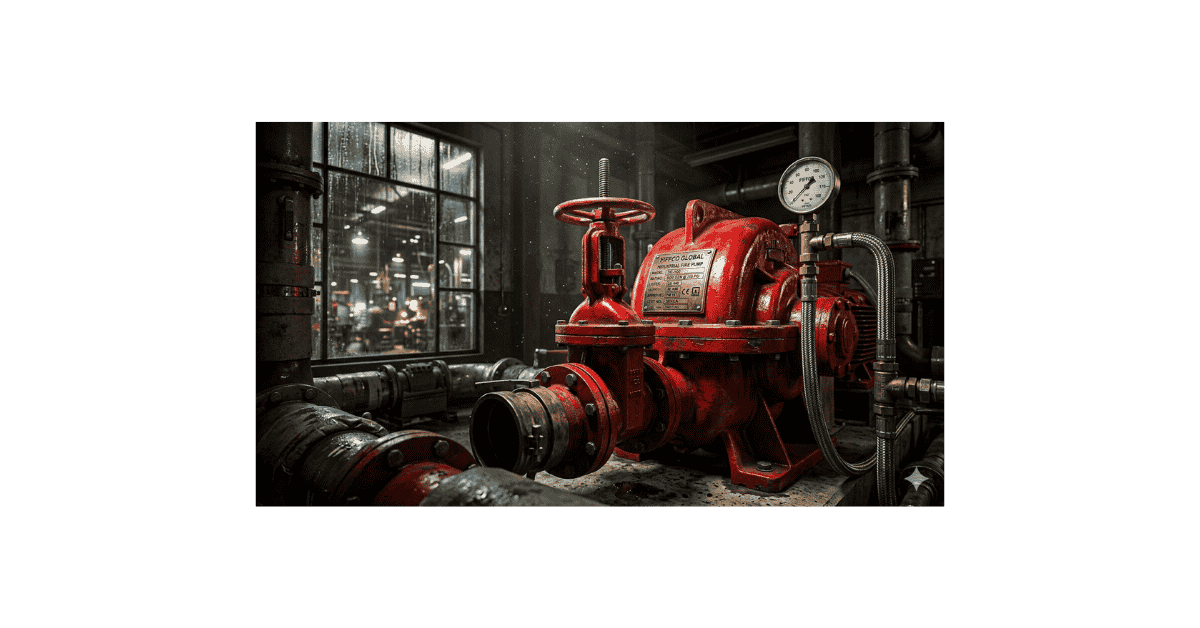
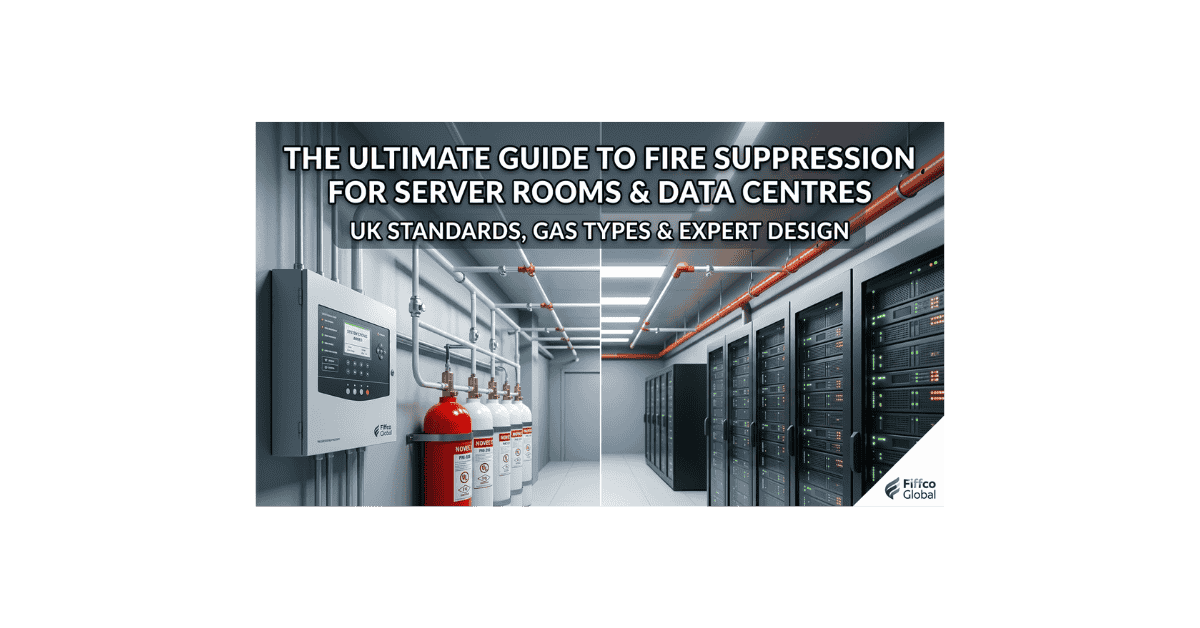
9. Fire Suppression Systems
Certain environments require specialized suppression systems.
Examples
-
Clean agent systems for server rooms
-
Wet chemical systems for kitchens
-
Gas suppression for data centers
These systems minimize damage while maximizing fire control.
10. Personal Protective Fire Safety Equipment
Personal protective equipment (PPE) is essential for staff trained in emergency response.
Includes
-
Fire-resistant clothing
-
Helmets and gloves
-
Breathing apparatus
PPE ensures responders can act safely during emergencies.
Fire Safety Compliance and Environmental Responsibility
Fire safety is not only about people—it also protects the environment. Improper fire management can release hazardous pollutants into the air and water systems. Guidance from the Environment Agency highlights the importance of environmentally responsible fire prevention measures.
Businesses can reduce risk and improve compliance by following professional advice available at FIFFCO, a trusted resource for fire safety solutions and expertise.
Final Thoughts: Building a Complete Fire Safety Strategy
Installing fire safety equipment is only the first step. A complete fire safety strategy includes:
-
Risk assessments
-
Proper equipment selection
-
Regular maintenance
-
Staff training
-
Legal compliance
By implementing the Top 10 Fire Safety Equipment Every Building Must Have, you significantly reduce risk, improve safety, and ensure long-term protection for people and property.
For professional guidance, system design, and compliance support, explore insights into the fire safety systems industry and stay ahead of modern safety standards.