






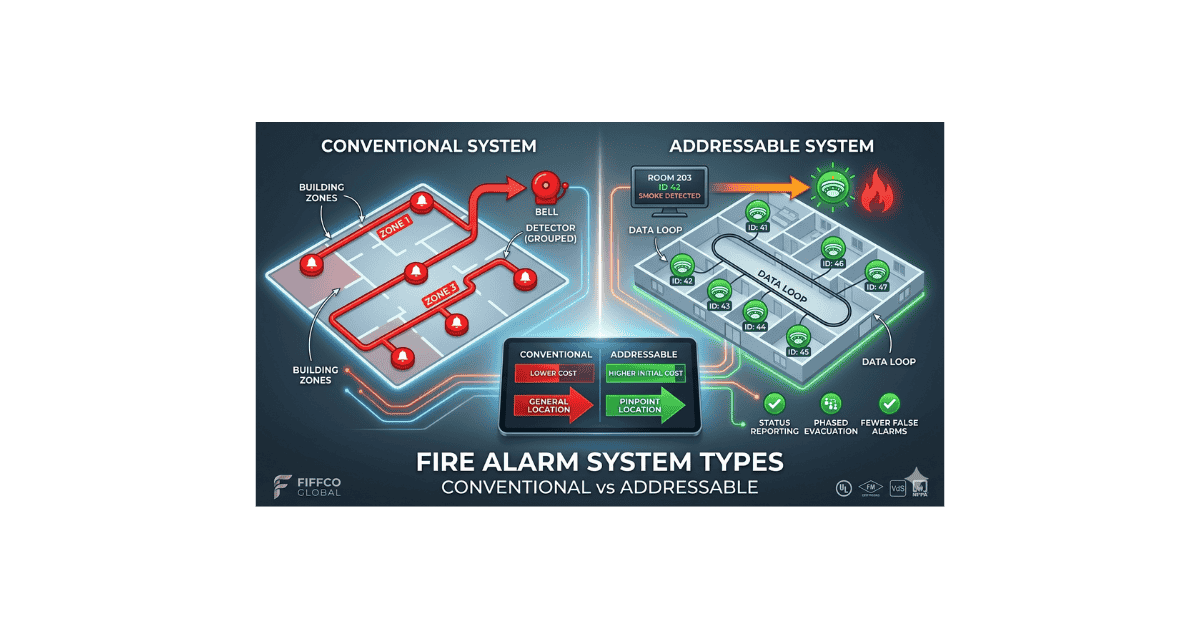



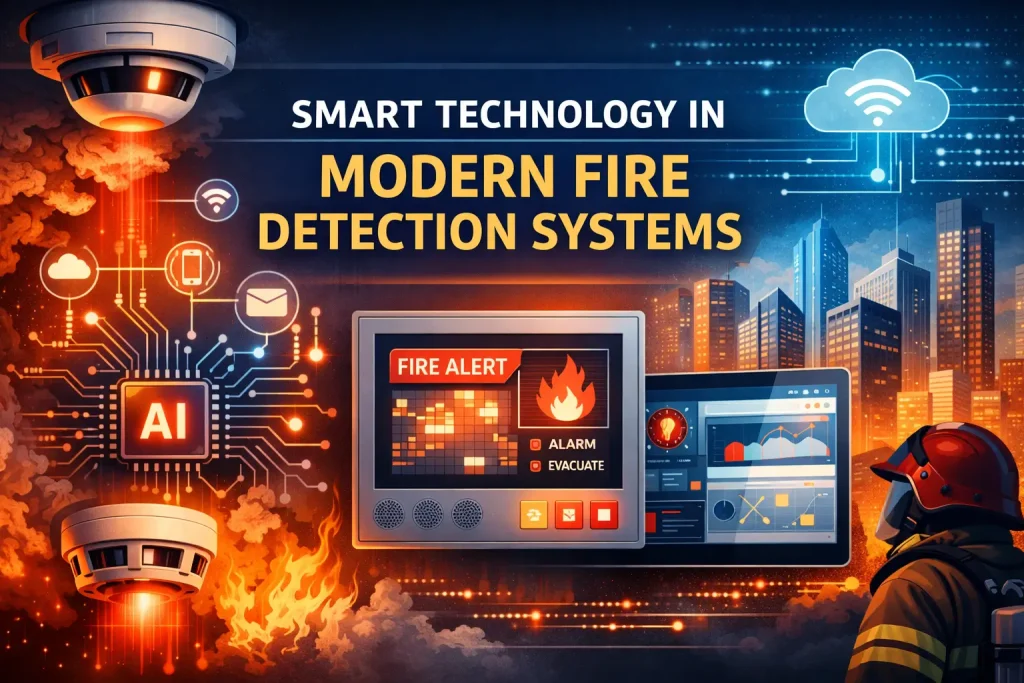
By integrating artificial intelligence (AI), Internet of Things (IoT), cloud computing, and real-time analytics, smart fire detection systems offer faster response times, fewer false alarms, remote monitoring, and predictive maintenance. These innovations are now essential for commercial buildings, industrial facilities, healthcare environments, and smart cities.
This in-depth guide explains how smart technology is reshaping modern fire detection systems, why it matters, and how organizations can benefit from intelligent fire safety solutions.
What Is Smart Fire Detection Technology?
Smart fire detection technology refers to intelligent, connected fire safety systems that use advanced sensors, data processing, and automation to detect fire risks earlier and respond more effectively than conventional systems.
Unlike traditional alarms that rely on single-sensor triggers, smart systems analyze multiple environmental factors simultaneously, such as:
-
Smoke particle behavior
-
Heat fluctuations
-
Gas concentrations
-
Air quality changes
-
Visual flame patterns
These systems can interpret data, learn from patterns, and communicate instantly with building managers, fire services, and integrated safety systems.
Why Smart Technology Matters in Fire Detection
Key Limitations of Conventional Fire Detection
-
High rate of false alarms
-
Delayed response times
-
No remote visibility
-
Limited diagnostic capabilities
-
Manual maintenance schedules
How Smart Fire Detection Solves These Problems
-
Real-time data analysis improves accuracy
-
Remote alerts enable faster emergency response
-
Predictive maintenance reduces system failures
-
Integration with smart buildings improves coordination
This shift is why smart fire detection is now considered a critical component of modern fire safety systems rather than a luxury upgrade.
Core Smart Technologies Used in Modern Fire Detection Systems
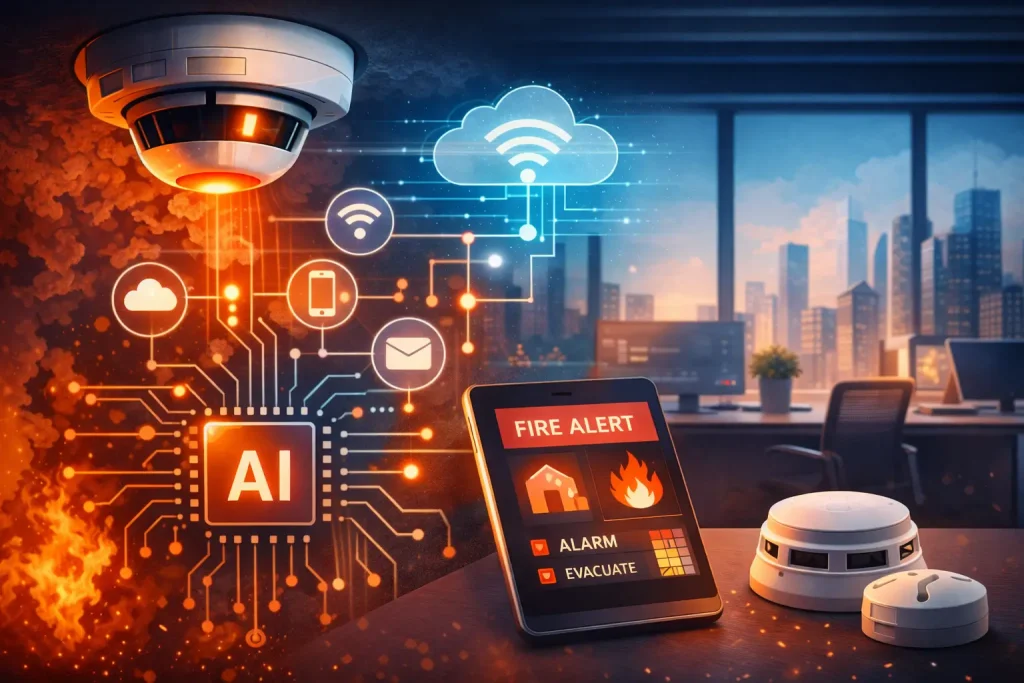
1. Internet of Things (IoT) in Fire Detection
How IoT Enhances Fire Detection
-
Wireless sensor networks reduce installation complexity
-
Continuous data transmission improves situational awareness
-
Remote system monitoring via cloud dashboards
-
Faster emergency notifications across multiple locations
IoT-enabled systems are particularly effective in commercial buildings, where centralized monitoring is essential. Learn more about professional-grade fire safety solutions in this guide, featuring industry insights.
2. Artificial Intelligence (AI) and Machine Learning
AI plays a crucial role in analyzing fire patterns and reducing false alarms.
AI Capabilities in Fire Detection
-
Distinguishes between smoke, steam, and dust
-
Detects abnormal heat trends before ignition
-
Learns building-specific risk patterns
-
Improves detection accuracy over time
AI-powered detection is especially valuable in industrial and high-risk environments, where false alarms can disrupt operations.
3. Smart Smoke, Heat, and Gas Sensors
Benefits of Multi-Sensor Fire Detectors
-
Faster fire identification
-
Lower false alarm rates
-
Improved performance in complex environments
-
Greater reliability in large facilities
These detectors are widely used alongside commercial fire-fighting equipment, as explained in this detailed resource on fire fighting equipment for commercial buildings.
4. Cloud-Based Fire Detection Platforms
Cloud technology enables real-time access to fire system data from anywhere.
Key Cloud Features
-
Live system status monitoring
-
Automatic alerts via email or mobile apps
-
Centralized management for multiple sites
-
Secure data storage and reporting
Cloud integration is essential for organizations managing multiple properties or large infrastructures.
5. Smart Fire Alarm Control Panels
What Makes a Panel “Smart”?
-
Addressable device identification
-
Real-time diagnostics
-
System self-testing
-
Integration with suppression and evacuation systems
These panels seamlessly integrate detection with fire suppression systems, including water- or foam-based systems. A full comparison is available in this expert guide on water vs foam fire systems.
Integration with Smart Building Systems
Smart fire detection systems do not operate in isolation. They integrate with:
-
HVAC systems (to control smoke spread)
-
Access control systems (automatic door unlocking)
-
Emergency lighting systems
-
Public address and voice evacuation systems
This integration ensures coordinated, automated responses during fire emergencies.
Benefits of Smart Technology in Modern Fire Detection Systems
Faster Emergency Response
-
Instant alerts reduce reaction time
-
Automated actions begin immediately
Reduced False Alarms
-
AI and multi-sensor validation prevent disruptions
Predictive Maintenance
-
Identifies faults before system failure
-
Reduces downtime and repair costs
Improved Safety Compliance
-
Automatic event logs and reports
-
Easier regulatory inspections
Enhanced Occupant Safety
-
Accurate alerts reduce panic
-
Clear evacuation guidance improves outcomes
Smart Fire Detection in Commercial and Industrial Buildings
Key Applications
-
Office complexes
-
Shopping centers
-
Hotels and hospitals
-
Manufacturing plants
-
Warehouses
Smart systems complement physical fire safety components such as hose reels and delivery systems, detailed in this technical guide on fire hose pipes: types, materials, and testing.
Regulatory Compliance and Environmental Considerations
Modern fire detection must align with safety and environmental standards. Smart technology supports compliance by:
-
Reducing unnecessary system activations
-
Improving energy efficiency
-
Supporting sustainable fire protection strategies
In the UK, guidance from the Environment Agency on environmental governance and safety regulations plays an important role in shaping responsible fire safety practices. Official updates and regulatory frameworks can be accessed through the UK government portal.
Official UK environmental and safety guidance is available via the Environment Agency.
Challenges of Smart Fire Detection Systems
While highly effective, smart fire detection systems also present challenges:
-
Higher initial installation cost
-
Need for skilled configuration
-
Cybersecurity considerations
-
Dependence on stable network connectivity
However, the long-term benefits far outweigh these challenges, especially in high-risk or large-scale environments.
Future Trends in Smart Fire Detection Technology
Emerging Innovations
-
Computer vision-based flame detection
-
Digital twin fire modeling
-
Autonomous emergency response systems
-
Smart city-wide fire monitoring networks
As buildings become smarter, fire detection systems will become predictive rather than reactive.
Why Smart Fire Detection Is a Long-Term Investment
Organizations investing in smart fire detection benefit from:
-
Lower operational risk
-
Reduced insurance premiums
-
Enhanced brand trust
-
Stronger regulatory compliance
-
Improved life safety outcomes
Smart detection is not just about technology—it is about saving lives and protecting assets.
Final Thoughts
Smart technology has redefined modern fire detection systems, making them faster, smarter, and more reliable than ever before. Through AI, IoT, cloud integration, and intelligent sensors, these systems provide unparalleled protection for people and property.
As fire risks grow more complex, adopting smart fire detection is no longer optional—it is a strategic necessity for modern buildings.
For expert solutions, system insights, and professional fire safety guidance, explore the resources available at FIFFCO.